Why High-Interest Debt Is Different From Other Debt
Not all debt works the same way. A mortgage at 6% and a credit card at 27% are both technically debt, but they behave very differently over time. The difference comes down to the interest rate and how quickly it compounds against you.
With high-interest debt, a large portion of every payment you make goes straight to the lender as interest — not toward reducing your actual balance. This is especially punishing if you're only making the minimum payment required each month. The slower you pay down the principal, the more interest continues to accumulate.
Understanding this dynamic is a foundational money skill. It's also the flip side of something more positive: the same compounding mechanic that hurts borrowers can benefit investors. Our article on how compound interest works for investors explains why the math cuts both ways.
Compounding Frequency Matters
Many credit cards compound interest daily rather than monthly, meaning interest is calculated on your average daily balance and added each day. This can make a high APR even more costly than the annual number alone suggests. Your card's terms and conditions will specify how often interest is compounded.
The Real Math Behind What You Owe
Here's a concrete illustration — not a guarantee of any individual outcome, but a realistic picture of how high-interest debt behaves:
Suppose you carry a $3,000 credit card balance at a 24% APR and make only the minimum payment each month (often calculated as roughly 1–2% of your balance). Depending on the card's terms, it could take more than a decade to pay off that balance, and you might pay well over $3,000 in interest alone — more than the original debt.
Increase your monthly payment by even $50–$100 per month and the timeline compresses significantly, saving hundreds or even thousands of dollars in total interest. The math rewards urgency.
20–30%
Typical credit card APR range in the US
The Federal Reserve reports average credit card interest rates for accounts that incur interest regularly exceed 20%, with many cards reaching higher.
~$1,000+
Potential interest on a $3,000 balance at minimum payments
Consumer finance educators commonly illustrate that carrying a mid-sized credit card balance at minimum payments for years can result in total interest that rivals or exceeds the original principal.
Common Sources of High-Interest Debt for Young Adults
Knowing where high-interest debt tends to show up helps you recognize it early. The most common sources include:
- Credit cards: Average APRs frequently range from 20–30%. Carrying a balance month to month means interest compounds against you continuously.
- Payday and cash advance loans: These short-term loans often carry fees that translate to extremely high effective APRs — sometimes in triple digits when annualized.
- Some personal loans: Unsecured personal loans for borrowers with limited credit history can carry rates well above 20%.
- Retail store cards: Often easier to qualify for but frequently come with higher APRs than standard credit cards.
Federal student loans generally carry lower, fixed rates and are not typically considered high-interest debt, though private student loans can vary. For context on managing student loan repayment, see our guide on income-driven repayment options.
Check Your APR Before You Carry a Balance
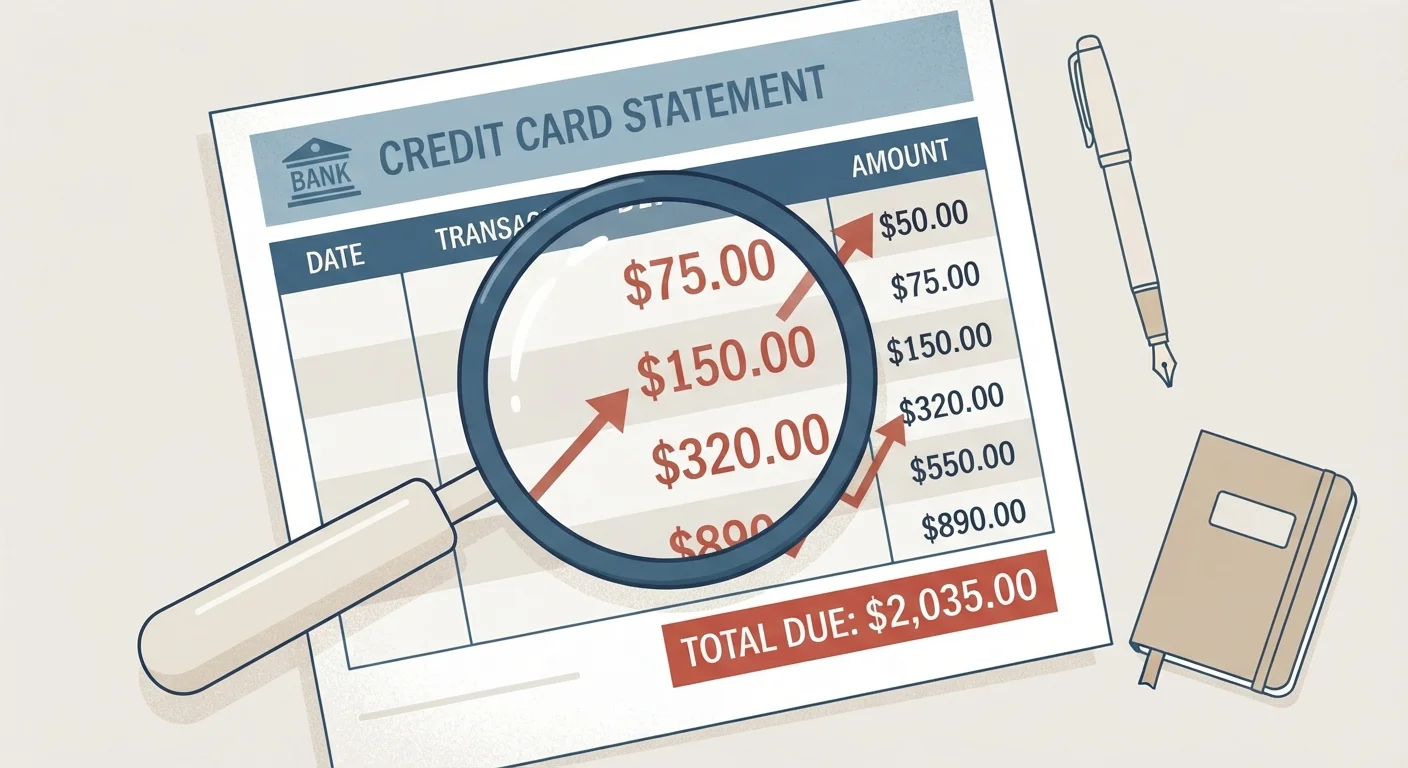
Before letting any balance carry over month to month, confirm the card's APR by checking your statement or account agreement. Some promotional rates expire and jump significantly. Knowing your exact rate helps you make more informed decisions about which debt to tackle first.
Strategies That Can Reduce the Total Cost
There's no single right repayment approach for every person, but several well-established strategies can reduce how much high-interest debt ultimately costs you:
- Pay more than the minimum. Even modest extra payments each month have a compounding effect in your favor — they shrink the principal faster, which reduces future interest charges.
- Target the highest-rate debt first (avalanche method). Directing extra money toward your highest-APR balance while maintaining minimums on others minimizes total interest paid over time.
- Explore balance transfer options with caution. Some credit products allow you to move high-interest balances to lower rates for a promotional period. Understand the terms, fees, and what happens when the promotional period ends before committing.
- Build a small emergency buffer alongside repayment. Clearing debt aggressively only to rely on a credit card when an unexpected expense hits can restart the cycle. Our guide on whether to prioritize savings or debt repayment addresses this balance directly.
It's also worth examining the beliefs and patterns that sometimes slow repayment. Common debt myths — like the idea that minimum payments keep you on track — are worth confronting head on.
This article is for general informational and educational purposes only and does not constitute personalized financial advice. For guidance specific to your financial situation, consider consulting a licensed financial professional.