Why These Two Financial Tools Belong Together
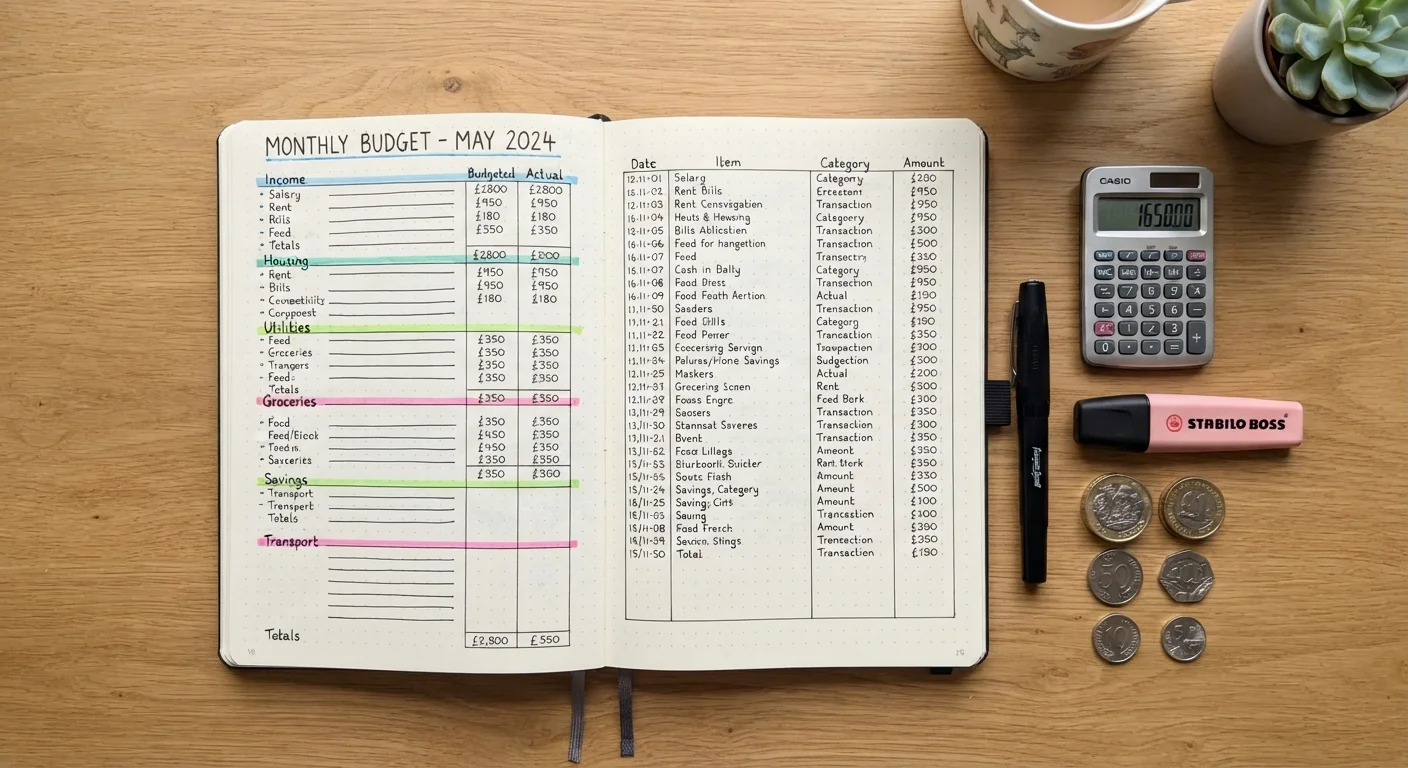
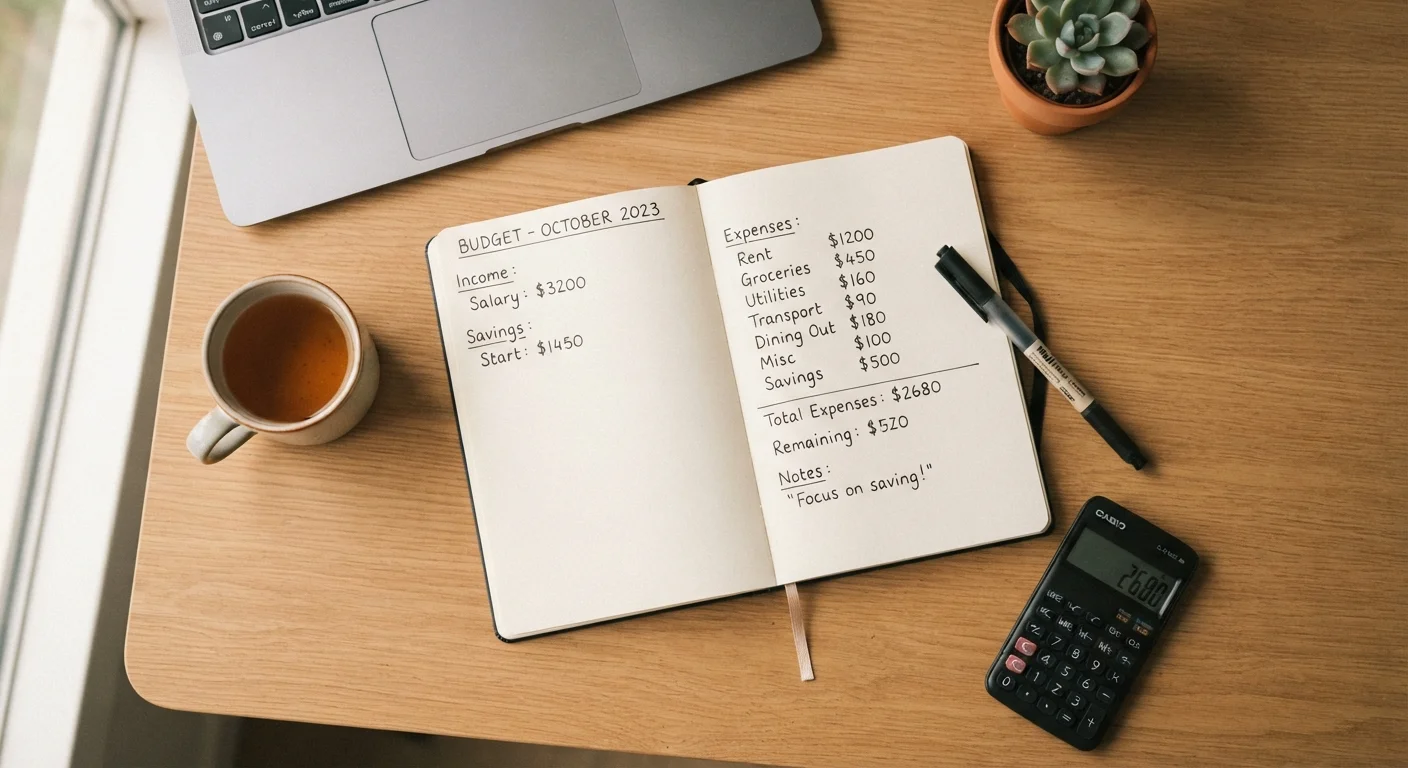
Most people treat budgeting and emergency savings as separate projects — first I'll make a budget, then someday I'll build a fund. In practice, they're two parts of the same system. A monthly budget tells your money where to go. An emergency fund makes sure an unexpected expense doesn't destroy that plan.
Without an emergency fund, even a carefully built budget can collapse the moment something breaks, something hurts, or something changes at work. That one-off expense gets charged to a credit card, the debt grows, and suddenly the budget that was working isn't working anymore. The emergency fund is what keeps the budget intact.
If you're just starting out, our plain-English guide to your first monthly budget walks through the foundational steps before adding this layer.
~27%
Americans with no emergency savings
Federal Reserve surveys have consistently found that roughly one in four U.S. adults report having no dedicated emergency savings at all.
3–6 months
Commonly recommended emergency fund target
Financial educators widely suggest covering three to six months of essential expenses, though the right amount varies by individual circumstances.
$400
Expense that strains many households
Federal Reserve research has shown that a significant share of U.S. adults would struggle to cover an unexpected $400 expense without borrowing or selling something.
How Much to Save: General Guidance
The most commonly cited target is three to six months of essential living expenses — meaning what you'd need to cover rent, utilities, groceries, transportation, and minimum debt payments if your income stopped. This isn't a magic number, but it reflects how long many people need to find new work or recover from a financial disruption.
If that number feels overwhelming, start smaller. A $1,000 starter emergency fund is enough to handle many common emergencies without reaching for credit — and it's achievable for most people within a few months of focused saving.
Your specific target depends on factors like job stability, household size, whether you have dependents, and your monthly essential expenses. There's no single right answer, but any amount saved is better than none.
Start With a Specific, Achievable Target
Instead of aiming for a vague 'save more' goal, calculate your monthly essential expenses and set a concrete first milestone — say, one month of essentials or $1,000. A specific number makes it easier to track progress and stay motivated. Once you hit it, set the next target.
Building It Into Your Monthly Budget
The most reliable way to grow an emergency fund is to treat it like a fixed expense — something you pay every month without negotiation, the same way you pay rent. This is the core idea behind the "Pay Yourself First" approach, where savings come out of your paycheck before anything else.
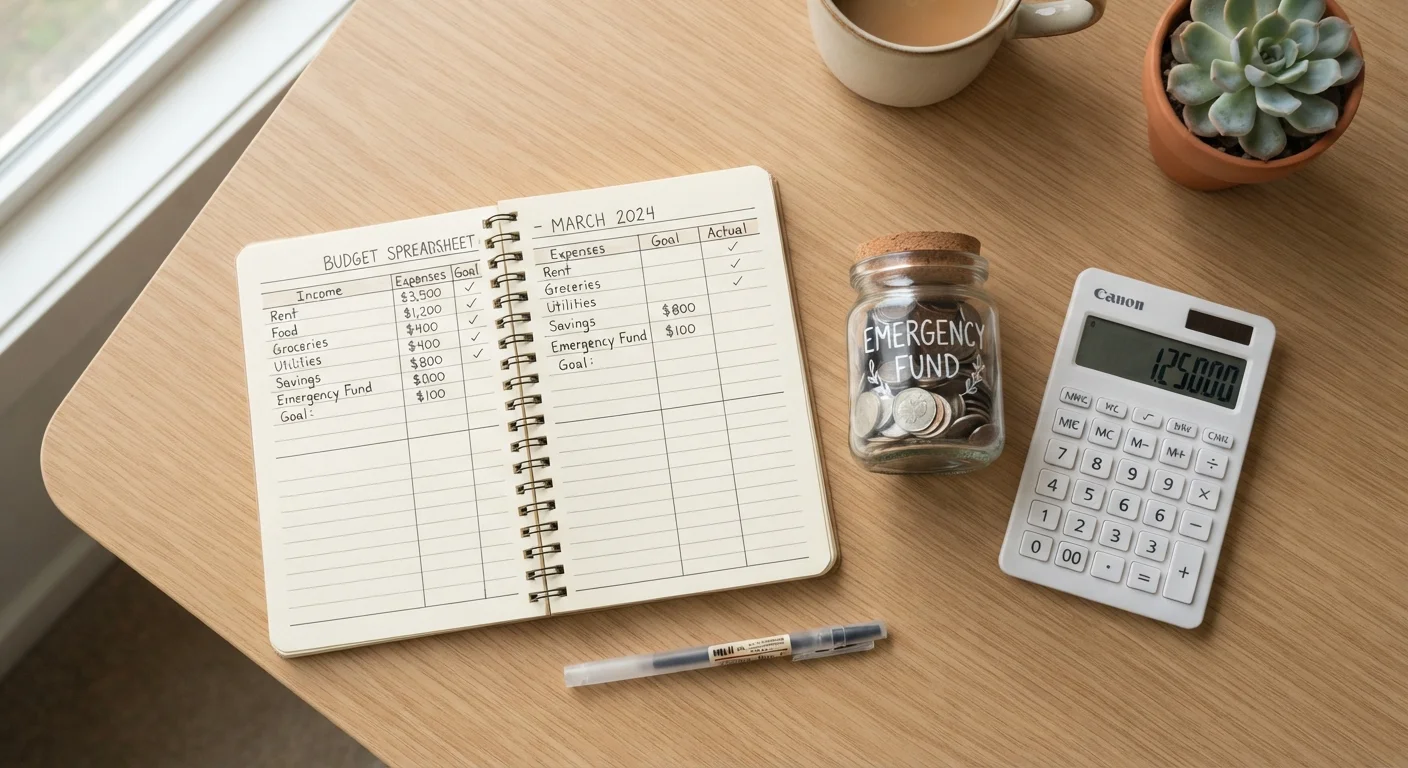
In practice, this means your monthly budget has a dedicated line for emergency fund contributions. Even $50 or $75 a month compounds meaningfully. Once it becomes automatic, you stop thinking of it as optional.
Understanding how your fixed and variable expenses differ helps you identify where to trim spending and redirect money toward savings. Variable expenses — dining out, subscriptions, entertainment — are usually where that margin lives.
Different budget frameworks handle this differently. The 50/30/20 rule, for instance, places savings in the 20% category alongside debt repayment. Our comparison of popular budgeting methods can help you decide which structure fits your situation.
When to Use It — and What Comes Next
Using your emergency fund is not a setback. It's the fund doing exactly what it's supposed to do. The key is using it only for genuine emergencies — unexpected, necessary, and urgent expenses — not for planned purchases or things that could wait.
Before you tap into the fund, it's worth pausing to ask a few quick questions. Our article on what to check before you touch your emergency fund walks through that process so you protect the fund's long-term purpose.
Once you've used it, the next step is simply to rebuild. Add it back to your budget as a line item and resume contributions until you've restored the balance. Over time, this cycle — save, protect, use if needed, rebuild — becomes a reliable financial habit rather than a stressful scramble.
If you're also carrying debt, the question of whether to prioritize saving or paying down balances is worth thinking through carefully. See our breakdown of emergency fund vs. debt repayment for a practical framework.
“An emergency fund isn't about fear — it's about freedom. When you have a cushion, you make decisions from a position of choice rather than desperation.”
— Personal Finance Editorial Team, Editorial guidance for general financial education
This article is for general informational and educational purposes only and does not constitute personalized financial advice. For guidance specific to your financial situation, consider consulting a qualified financial professional.