Why Some Drivers Feel Calm and Others Don't
Driving anxiety affects more people than most would admit. Whether it's white-knuckling through highway merges, dreading parallel parking in traffic, or feeling overwhelmed on unfamiliar roads, the discomfort is real - and it's not a character flaw. If you want a clearer picture of what anxiety actually is (and isn't), our related piece on common misconceptions about anxiety is worth reading alongside this one.
What separates confident drivers from anxious ones usually isn't raw talent or years of experience. It's behavior - specifically, the small, repeatable habits that build genuine competence over time. The good news: those habits can be learned. Here are the ones that make the biggest difference.
They follow a consistent pre-drive routine
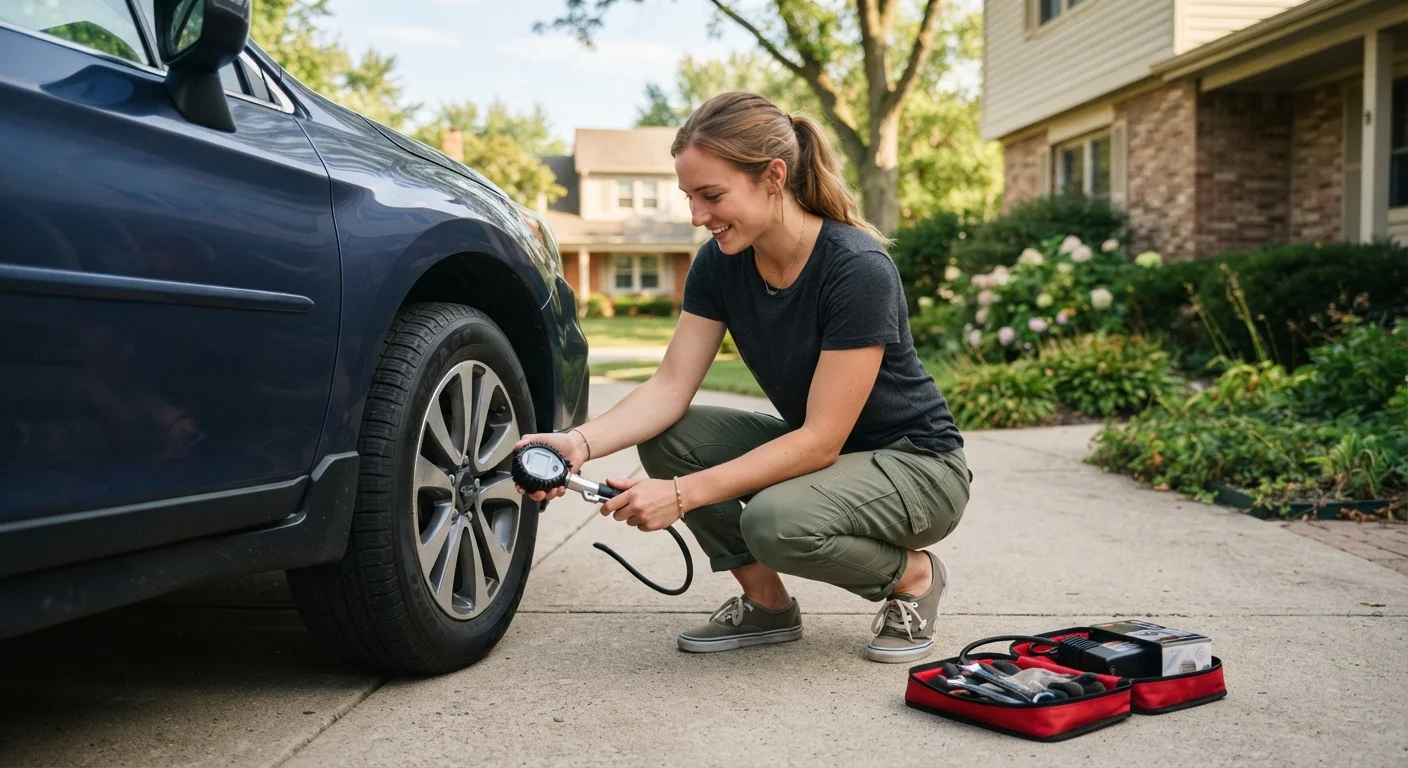
Confident drivers don't just get in and go. Before pulling out, they run through a brief mental or physical checklist: mirrors adjusted, seat positioned correctly, phone silenced or mounted, route mentally noted. This ritual isn't excessive caution - it's a way of signaling to the brain that the environment is prepared and under control. Anxiety often spikes in the chaos of unpreparedness. A short, consistent routine cuts that off at the source.
A brief pre-drive checklist reduces in-the-moment chaos before it starts.
They practice in low-stakes conditions deliberately
Anxious drivers often avoid the scenarios that make them nervous, which reinforces the fear cycle. Confident drivers do the opposite: they seek out low-pressure versions of challenging situations. That means practicing highway on-ramps during light traffic, not rush hour. It means navigating unfamiliar parking lots on a Sunday morning. Our guide on what new drivers should know before their first solo drive covers exactly this kind of graduated approach for newer drivers.
Deliberate practice in easy conditions builds skills you can access when conditions get hard.
They manage their physical state before driving
Fatigue, hunger, and stress don't stay outside the car. Confident drivers recognize that their physical state directly affects their reaction time, decision-making, and patience. They don't drive when they're exhausted or highly agitated if they can avoid it. When they can't, they take a few slow breaths before starting, give themselves extra following distance, and lower the pressure by leaving earlier than necessary.
Your physical state gets in the car with you - managing it beforehand changes everything.
They understand the rules well enough to trust them
Uncertainty about right-of-way, merging protocol, or four-way-stop sequences creates hesitation - and hesitation in traffic is often more dangerous than confident, predictable movement. Confident drivers have taken the time to solidify their knowledge of traffic rules, not just memorize them for a test. They also know which popular beliefs about driving are wrong - worth cross-referencing with our piece on common driving myths that put people at risk.
Knowing the rules deeply enough to trust them removes hesitation from your decision-making.
They scan ahead, not just immediately in front
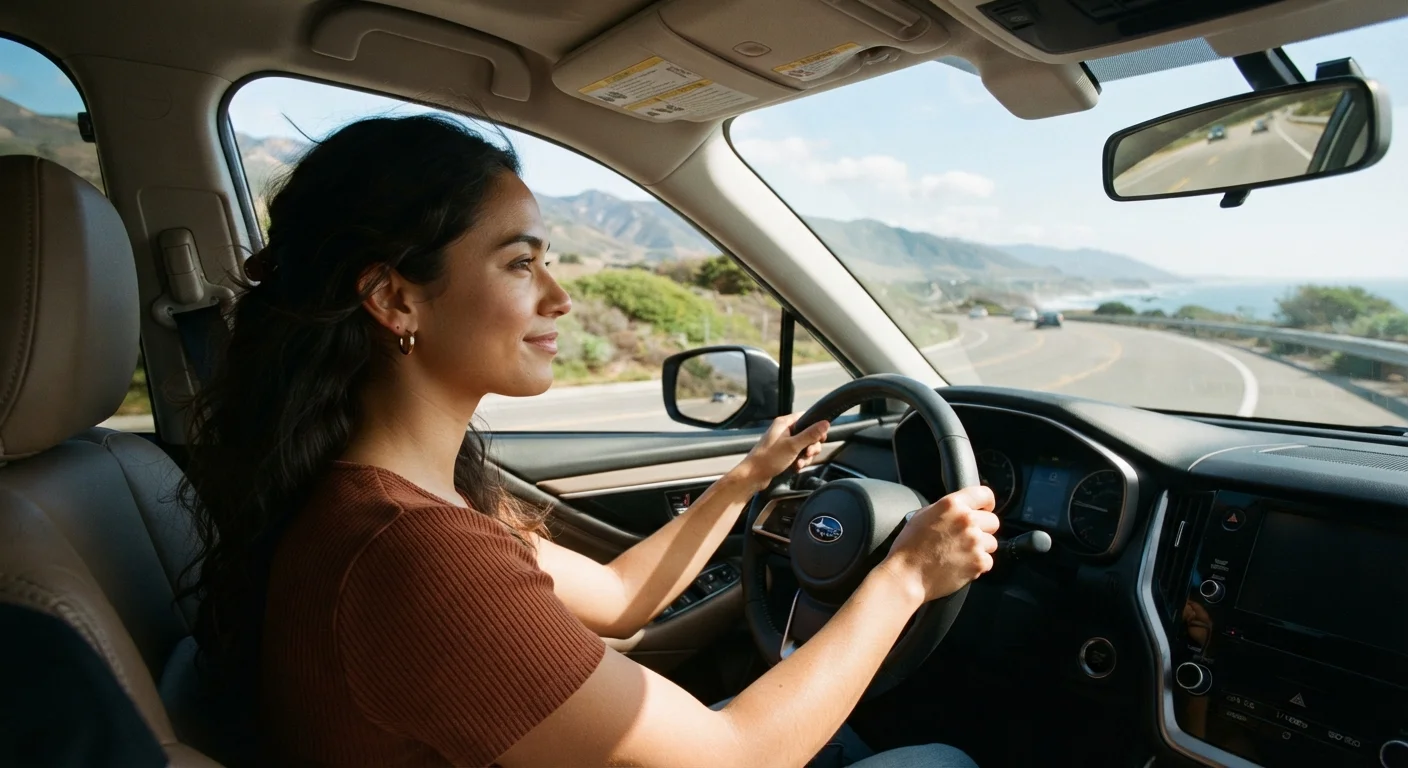
One of the clearest behavioral differences between anxious and confident drivers is where their eyes go. Anxious drivers tend to fixate close - on the bumper ahead, on their lane markings. Confident drivers scan further up the road, checking what's happening two or three cars ahead, monitoring intersections early, and reading brake light patterns before they become emergencies. This wider field of attention creates more reaction time and makes the driving environment feel more predictable.
Scanning further ahead turns surprises into situations you saw coming.
They don't let other drivers dictate their pace
Feeling pressured by tailgaters, aggressive lane changers, or impatient honkers is a major anxiety trigger for many drivers. Confident drivers have internalized that maintaining a safe following distance and a legal speed is their job - not managing the frustration of someone behind them. They let faster drivers pass, avoid retaliating, and stay focused on their own driving rather than the social dynamics playing out around them.
Your job is to drive safely - not to satisfy impatient drivers behind you.
They debrief after difficult drives
After a stressful drive, anxious drivers often just want to forget it happened. Confident drivers do something different: they briefly replay what went wrong and what went right. Not as self-criticism, but as information. Did the merge feel awkward because of blind spot positioning? Was the anxiety higher because of poor sleep? This low-key reflection habit accelerates skill development in a way that passive repetition never does.
A two-minute mental debrief after a hard drive is worth more than ten passive miles.
Building These Habits Takes Time - and That's Normal
None of these habits snap into place overnight. Confidence behind the wheel is cumulative, built from dozens of low-stakes practice sessions before it shows up in high-pressure situations. As we explore in our guide on turning driving experience into driving skill, hours logged don't automatically equal improvement - deliberate, attentive practice does.
Start With One Habit at a Time
Trying to overhaul your entire approach to driving at once tends to backfire. Pick one habit from this list - ideally whichever feels most accessible - and focus on it consistently for a week or two. Once it starts to feel automatic, layer in the next one. Small, incremental changes compound into lasting competence.
If night driving, highway merging, or bad-weather routes still feel daunting, that's not failure - it's where your next round of intentional practice should focus. Check out our detailed guide on adapting your habits for night driving for a practical starting point. The gap between anxious and confident isn't fixed - it closes one deliberate drive at a time.
This article is for general informational purposes only. If driving anxiety significantly affects your daily life or wellbeing, consider speaking with a qualified mental health professional.