Why Driving Myths Are More Dangerous Than They Seem
Driving myths are uniquely hazardous because they feel authoritative. They get passed down from parents, repeated in casual conversation, and occasionally reinforced by outdated driver's ed materials. Unlike myths about, say, nutrition, a wrong belief behind the wheel can have immediate, serious consequences.
The good news: identifying where the conventional wisdom breaks down is one of the most practical steps you can take toward being a safer, more competent driver. See also our deeper look at what defensive driving actually means on real roads - because real safety is about habits, not just rules.
Myth
You should hold the steering wheel at '10 and 2' like a clock face - that's what driver's ed taught.
Fact
Modern guidance from safety organizations recommends '9 and 3' because it keeps your arms clear of the airbag deployment zone.
The '10 and 2' position made sense before airbags were standard. Today, if an airbag deploys with your arms in the upper position, it can drive your hands and forearms into your face with significant force. The '9 and 3' grip keeps your arms lower and to the sides, reducing injury risk during airbag activation. Some instructors also recommend '8 and 4' for extended highway driving to reduce fatigue.
Myth
Using cruise control in the rain is fine - it keeps your speed steady, which helps.
Fact
Cruise control can actually make hydroplaning more dangerous by maintaining throttle when your tires lose contact with the road.
When you hydroplane - meaning your tires ride on a film of water rather than gripping the road surface - your instinct should be to ease off the accelerator. Cruise control resists that: it tries to maintain your set speed, which can spin the wheels and worsen the skid. Deactivate cruise control any time roads are wet, and consider your overall approach by reading how driving approach should shift in rain, snow, and fog.
Myth
A newer or faster car will stop more quickly in an emergency - the technology is better.
Fact
Braking distance depends primarily on tire condition, vehicle weight, road surface, and speed - not engine power or vehicle age alone.
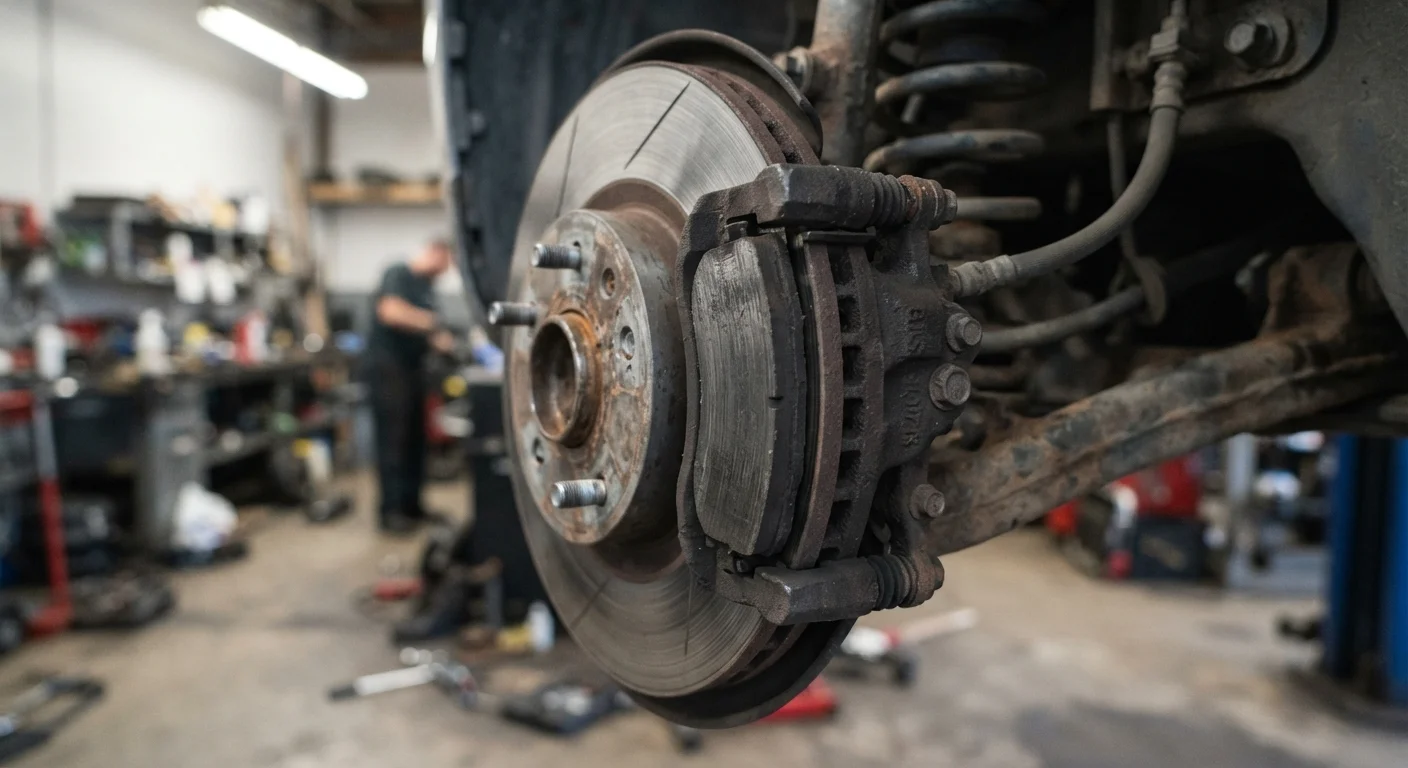
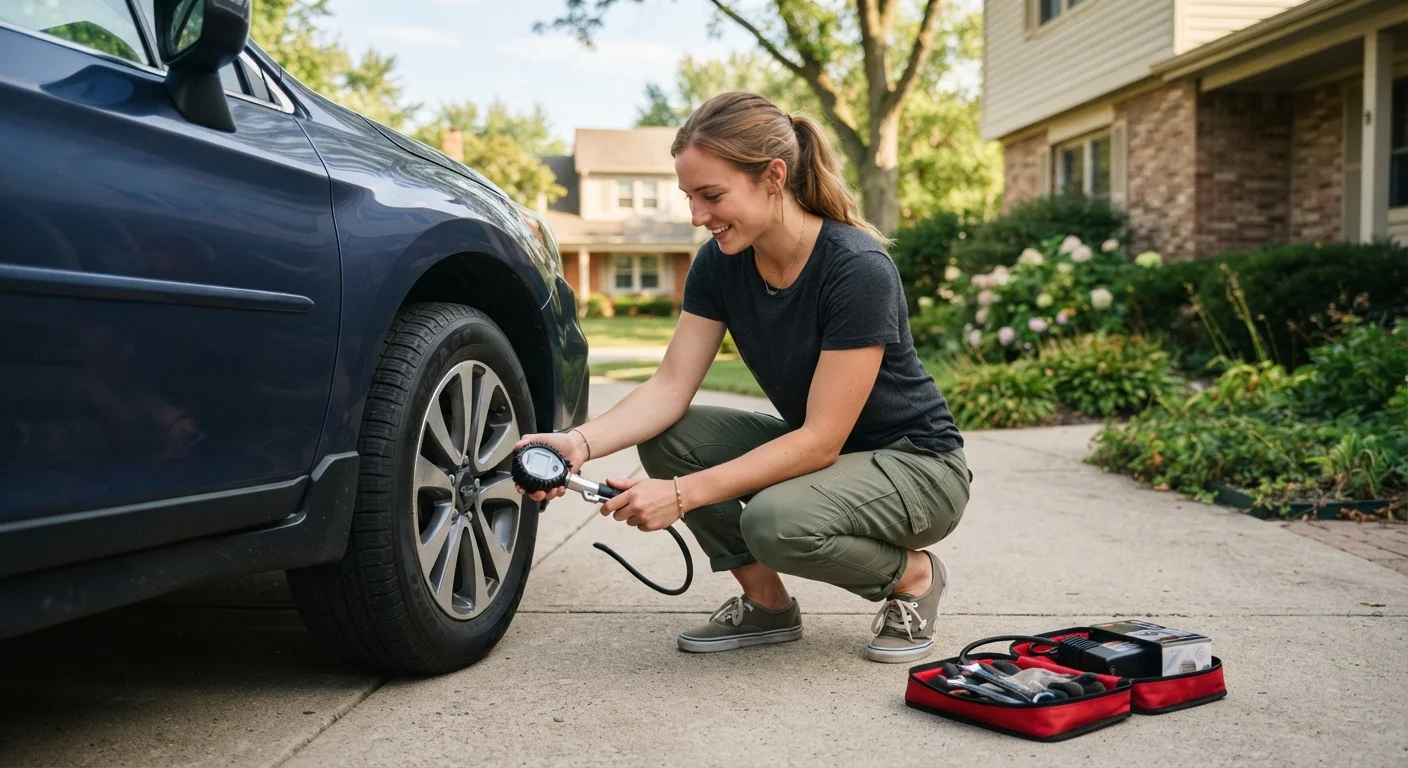
Advanced braking systems like ABS (ABS) help you maintain steering control during hard stops, but they don't shorten stopping distance in all conditions. A heavy SUV with worn tires will still take considerably longer to stop than a lighter vehicle with quality tires at the same speed. Regularly checking your tire tread depth and inflation is one of the most direct ways to protect your actual stopping ability.
Myth
Hands-free calling is safe to do while driving - you're not touching your phone.
Fact
Hands-free calls still impose a significant cognitive load that measurably slows reaction time compared to driving without conversation.
Multiple studies, including research from the National Safety Council, have found that hands-free phone conversations impair driving in ways comparable to handheld use. Your visual attention narrows, your reaction to unexpected events slows, and you're more likely to miss hazards in your peripheral field. The physical act of holding the phone is only one part of the distraction problem - the mental engagement with the conversation is the other, and it doesn't go away with a Bluetooth headset.
Myth
It's safer to drive slightly above the speed limit because it keeps pace with traffic.
Fact
Speed limits reflect engineering and safety studies; exceeding them increases both collision likelihood and injury severity regardless of surrounding traffic.
The logic that 'everyone else is going faster so I have to keep up' conflates social pressure with physics. Higher speeds mean longer stopping distances, reduced time to react to hazards, and significantly greater crash forces. Matching the speed of surrounding traffic has value for managing flow, but it does not create legal or physical protection when the speed itself is unsafe for conditions. If you feel pressured to speed consistently, that's also worth reflecting on as a driving habit.
Myth
If your check engine light comes on, you can safely wait weeks before looking into it.
Fact
Some check engine triggers are minor; others signal conditions that can cause engine damage or emissions failures if ignored.
The check engine light covers a wide range of diagnostic codes - some genuinely low-urgency (like a loose gas cap), others indicating misfires, catalytic converter issues, or sensor failures that worsen over time. Ignoring it for extended periods is a gamble. Getting the code read - which many auto parts stores offer at no charge - takes minutes and tells you whether it's something you can monitor or something that needs prompt attention. Our guide to what your car's warning lights are actually telling you breaks down urgency levels across common dashboard alerts.
The Cognitive Blind Spots Drivers Don't Notice
Many dangerous driving habits survive because they feel safe in the moment. Confidence behind the wheel is valuable, but overconfidence - rooted in myths - is one of the leading contributors to preventable collisions. Research consistently shows that drivers tend to overrate their own skill while underestimating the complexity of the driving environment around them.
Overconfidence Is a Measurable Crash Risk
Studies on driver self-assessment consistently find that the majority of drivers rate themselves as above average - a statistical impossibility. This overconfidence translates into real behavior: following too closely, underestimating stopping distances, and dismissing conditions like rain or fatigue as manageable. Accurate self-assessment is a safety skill in itself. If you haven't critically examined your driving habits since you first learned, some of what you're doing may be based on information that's simply wrong.
Distraction is a particularly misunderstood category. Most drivers accept that texting is dangerous, but fewer realize that even hands-free phone conversations impair reaction time. Our detailed breakdown of distracted driving, what the research shows, and what the law says explains why cognitive load - not just physical handling of a device - is the real problem.
Similarly, following distance is chronically underestimated by newer drivers. If you're building better habits, why new drivers underestimate following distance is worth reading alongside this piece.
Night Driving Demands More Than You Think
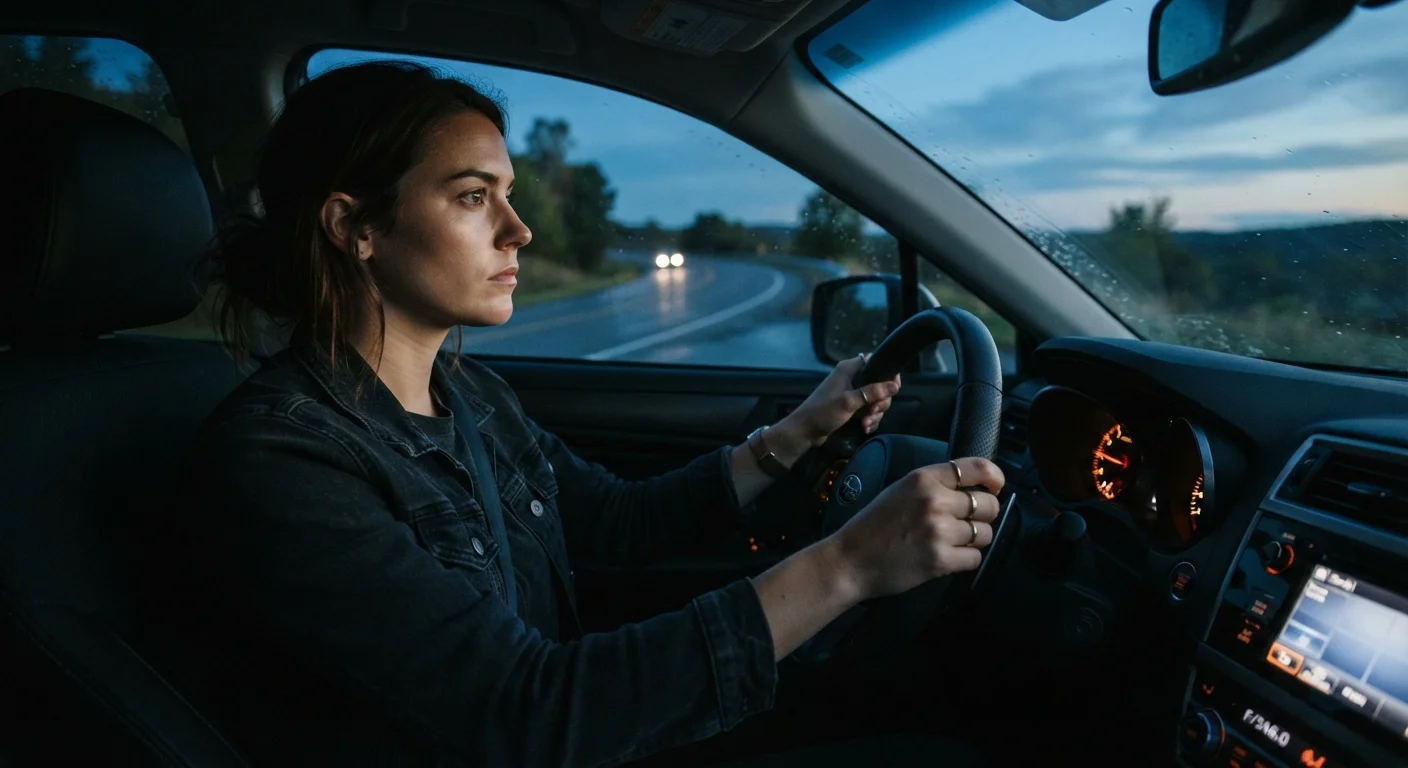
Many drivers underestimate how significantly reduced visibility, glare from oncoming headlights, and fatigue affect their performance after dark. Myths like 'I drive better at night because there's less traffic' can lead to complacency at exactly the wrong time. For a full look at the specific challenges, see our piece on night driving conditions most drivers aren't prepared for.
Correcting these blind spots doesn't require advanced training - it requires accurate information and the willingness to update habits that have felt normal for years.