The Core Difference: Infrastructure Access
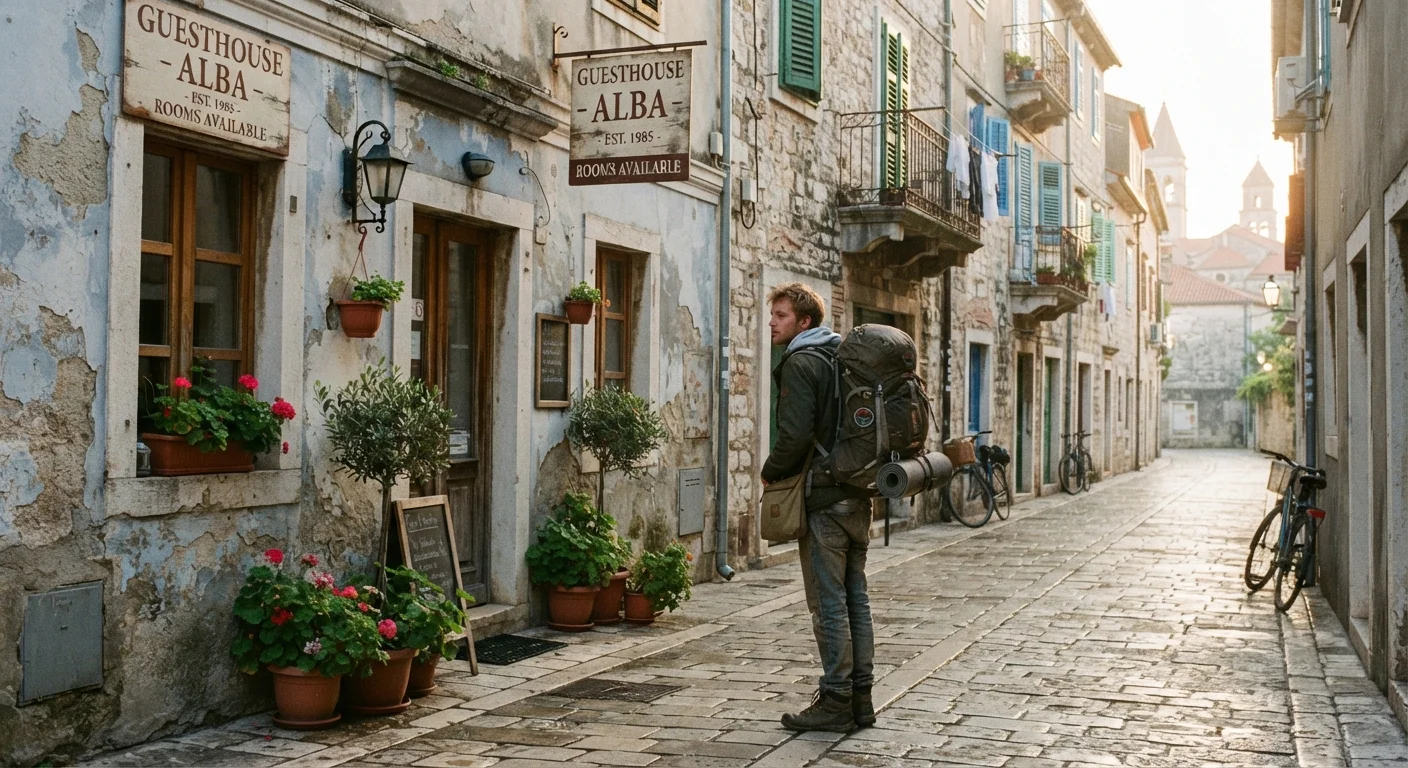
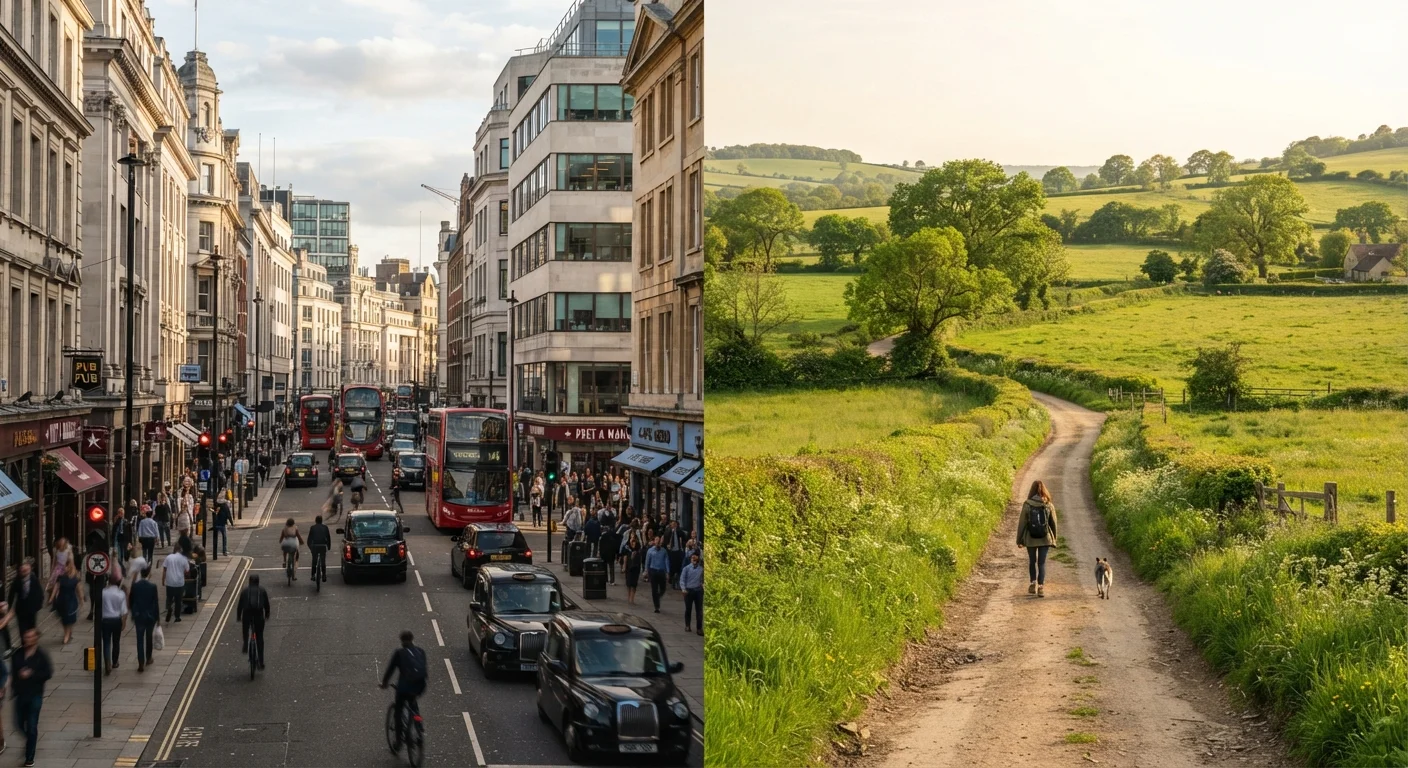
The most immediate shift when leaving a city behind is infrastructure. Urban destinations are built for visitor volume — public transit, rideshares, ATMs, pharmacies, and English-language signage are typically within reach. When that scaffolding disappears, your planning has to compensate.
Rural travel puts the burden of logistics back on you. Roads may be unpaved, public transportation sporadic or nonexistent, and cell service unreliable in stretches. That's not a flaw — it's often the point — but it means the planning margin for error shrinks considerably.
If you've run into friction arriving in a new city without preparation, rural gaps are even less forgiving. Downloading offline maps, carrying local currency, and identifying fuel stops or pharmacies in advance aren't optional extras in remote areas — they're baseline prep.
| Urban Travel | Rural Travel | |
|---|---|---|
| Transportation options | Multiple redundant modes | Usually car-dependent |
| Advance planning required | Moderate — flexible on arrival | High — gaps are costly |
| Accommodation cost | Generally higher | Generally lower |
| Cell/internet connectivity | Reliable in most areas | Patchy or absent in places |
| Cultural immersion depth | Broad but often surface-level | Slower but often more direct |
| Spontaneity potential | High — many options nearby | Low — limited fallback options |
| Safety infrastructure | Hospitals, police, embassies nearby | Emergency response may be distant |
Transportation: Getting Around Looks Completely Different
In cities, transportation is competitive and layered: subways, buses, bike shares, and rideshare apps create redundancy. If one option fails, another is usually minutes away.
Rural travel typically collapses that redundancy to one mode — most often a rental car, or in some cases a local bus with limited scheduling. In many regions of the US and internationally, rural areas have no meaningful public transit at all. Travelers who don't drive, or who are unfamiliar with driving in a foreign country, need to plan around this well in advance.
Book Rural Transport Before You Land
In popular rural destinations, rental cars and regional shuttles sell out well ahead of peak periods. Unlike cities — where rideshares or taxis provide a fallback — arriving at a rural hub without transport booked can strand you. Confirm your ground transportation at the same time you confirm your accommodation, not as an afterthought.
It's also worth factoring in driving conditions. Rural highways, mountain passes, and coastal cliffs demand a different skillset than urban stop-and-go. For context on how significantly driving environments differ, see our breakdown of highway vs. city driving skills.
Pacing, Immersion, and What You Actually Experience
Urban travel is dense. A single city day can move through neighborhoods, museums, food markets, and nightlife — all within a few miles. The sheer volume of options means you can calibrate on the go, pivoting when something doesn't land.
Rural travel operates on a different rhythm. Activities are often tied to natural timing — sunrise hikes, tidal windows, harvest seasons, or guided tours with fixed schedules. Missing those windows can mean losing the core reason you traveled there in the first place.
That slower pace also tends to produce stronger cultural contact. Staying in a small town, eating where locals eat, and navigating without a tourist infrastructure creates the kind of immersion that urban travel — however rich — rarely replicates. Regions often surprise travelers who expect uniformity. Articles like our snapshot of Japan's regional diversity illustrate how dramatically character can shift just a few hours outside a major city.
97%
US rural land area with limited transit access
According to the US Department of Transportation, the vast majority of rural US land area lacks meaningful public transportation options, reinforcing the need for personal vehicle planning.
2–3x
Urban vs. rural accommodation cost differential
Data from various travel cost index studies consistently shows urban lodging running two to three times higher per night than comparable rural stays in the same country or region.
Budget Realities: Where Money Goes Differs Sharply
Urban budgets are typically dominated by accommodation. Even modest hotels in major cities command a premium, and that cost doesn't always reflect quality — it reflects location. Food and entertainment spending varies widely, but competition among vendors generally keeps some options affordable.
Rural budgets shift the pressure. Accommodation is often cheaper, but transportation costs — car rental, fuel, possibly a domestic flight to reach the area — can offset those savings quickly. Guided access to certain sites (national parks, protected wildlife areas, heritage zones) adds another layer of cost that doesn't exist the same way in cities.
For travelers trying to plan around a realistic budget, the key is modeling both types of costs honestly before committing to a destination type. Underestimating rural transport costs is one of the most common budget miscalculations. See our broader trip planning guidance for frameworks that apply across both settings.
Don't Underestimate Rural Emergency Access
In remote areas, the nearest hospital or urgent care facility may be an hour or more away. Travel insurance that covers emergency evacuation is worth understanding before you go, not after an incident. Always verify current entry requirements, safety advisories, and health recommendations for rural regions through official government travel resources before departure.