Scale, Pace, and First Impressions
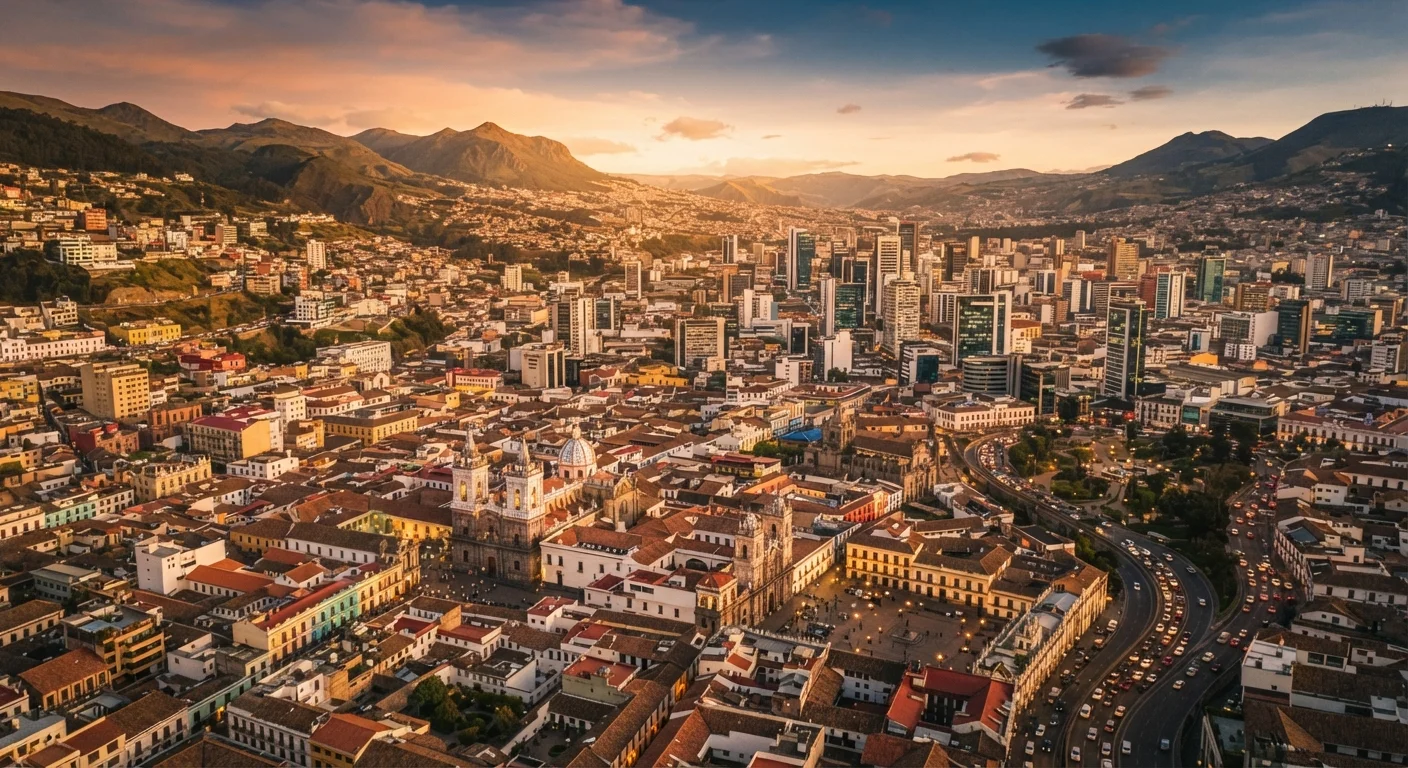
Mexico City is one of the largest cities in the Western Hemisphere, home to roughly 9 million people within city limits and over 21 million in the broader metro area. Arriving there — whether by plane, bus, or car — you feel its scale immediately. Traffic, noise, altitude (CDMX sits at 7,350 feet above sea level), and sheer density all hit at once.
Guadalajara, Mexico's second-largest city with around 5 million in its metro area, operates at a noticeably different register. The streets feel wider, the pace less frantic, and the neighborhoods more coherent. Travelers who've bounced between other Latin American capitals — see our breakdown of Bogotá, Medellín, and Cartagena for comparison — often describe Guadalajara as sitting somewhere between those poles.
Neither city is a relaxing beach destination. Both reward travelers who come prepared to move, engage, and adapt. But the cognitive load of CDMX is genuinely higher, especially in the first 48 hours.
| Criterion | Mexico City (CDMX) | Guadalajara |
|---|---|---|
| Metro population | ~21 million | ~5 million |
| Altitude | 7,350 ft (2,240 m) | 5,100 ft (1,560 m) |
| Public transit quality | Extensive metro system | Limited; ride-share reliant |
| Tourist infrastructure | Highly developed | Moderate, growing |
| Cultural identity | Cosmopolitan, layered | Distinctly Jalisco/regional |
| Day trip options | Teotihuacán, Puebla, Taxco | Tequila town, Lake Chapala |
| Pace | Fast, dense, intense | Slower, more manageable |
| Walkability (core areas) | Good in select neighborhoods | Good in historic center |
Culture, Neighborhoods, and What to Actually Do
Mexico City's cultural density is difficult to overstate. The historic center (Centro Histórico) alone contains hundreds of significant buildings, from the Zócalo and Templo Mayor archaeological site to the National Palace's Diego Rivera murals. Neighborhoods like Roma, Condesa, Coyoacán, and Polanco each have distinct personalities — bohemian, leafy, artsy, upscale — and reward slow exploration on foot.
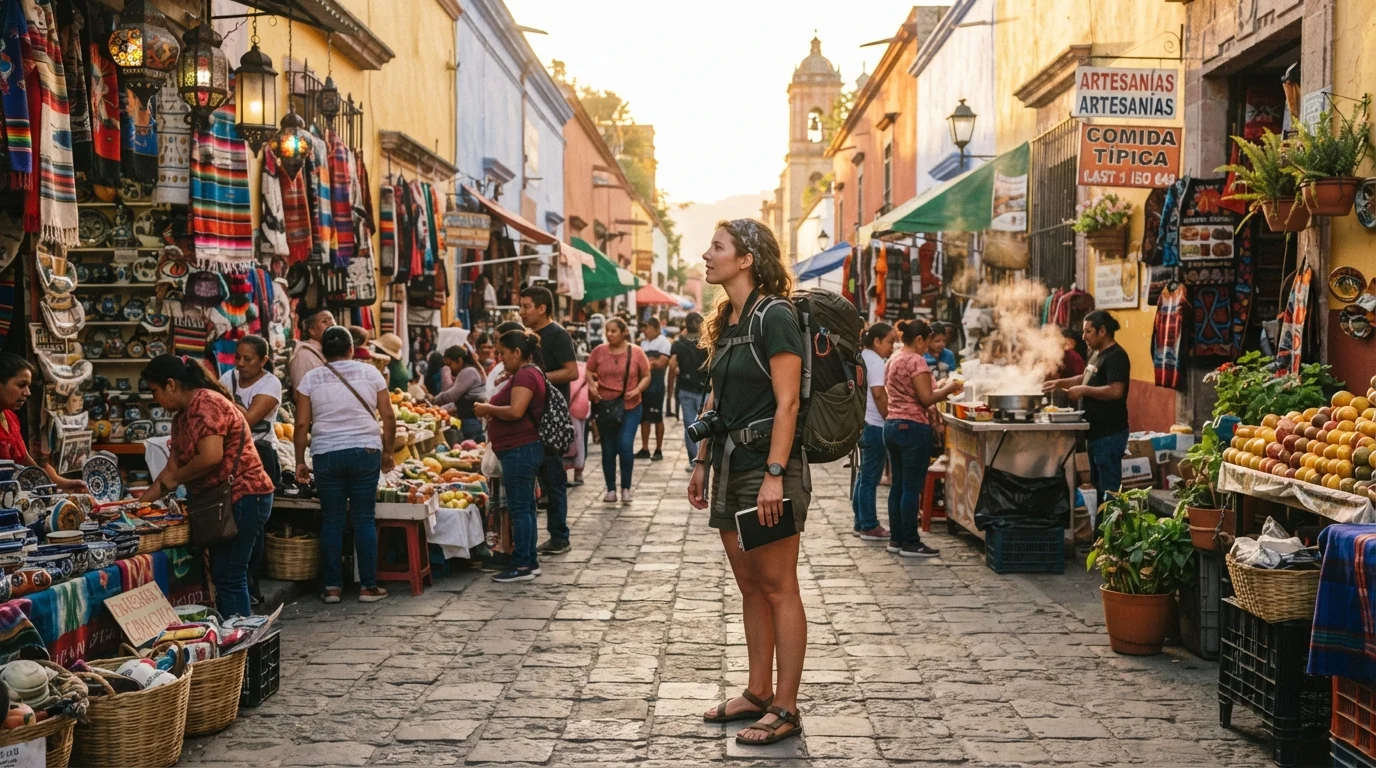
Guadalajara's identity is more concentrated but arguably more cohesive. The city's four central plazas form a cross shape around the cathedral, creating a walkable core that makes sense quickly. Tlaquepaque, a suburb absorbed into the city, is one of the best destinations in Mexico for traditional crafts and artisan markets. Day trips to Tequila (the town) and Lake Chapala are within 90 minutes.
150+
Museums in Mexico City
CDMX is frequently cited as one of the cities with the highest concentration of museums in the world, according to Mexico's INEGI cultural data.
5.5M
Annual international visitors to CDMX
Mexico City consistently ranks among Latin America's most visited destinations by international tourists, per SECTUR (Mexico's Secretariat of Tourism) data.
90 min
Drive from Guadalajara to Tequila town
The town of Tequila, Jalisco — origin of the spirit — is a straightforward day trip from Guadalajara along a well-traveled highway route.
Both cities have thriving food scenes. CDMX offers extraordinary range — everything from street tacos in Tepito to high-concept restaurants drawing international attention. Guadalajara's cuisine leans into Jalisco traditions: birria, tortas ahogadas (bread rolls drenched in chili sauce), and tejuino (a cold fermented corn drink) are local staples worth seeking out.
The contrast is similar to what you'd find comparing two iconic US cities — just as New Orleans and Nashville each deliver distinct cultural registers despite their shared Southern geography, CDMX and Guadalajara both feel unmistakably Mexican while offering very different traveler experiences.
Safety, Navigation, and Practical Logistics
Both cities carry safety reputations that deserve honest framing. Neither is uniformly dangerous, and neither is uniformly safe. The consistent advice from experienced travelers and independent sources: research neighborhoods specifically, not cities broadly. In CDMX, areas like Roma Norte, Condesa, Polanco, and Coyoacán are generally considered lower-risk and heavily frequented by tourists. Certain outer neighborhoods carry more risk — context matters.
Guadalajara has similar neighborhood variation. The historic center and the Chapultepec corridor are generally active, well-populated, and visitor-friendly. As in any large city, staying aware of surroundings, avoiding unlit or unfamiliar areas at night, and using vetted transportation options reduces exposure to problems significantly.
Check Official Travel Advisories Before You Go
The U.S. State Department publishes Mexico travel advisories broken down by state — not just the country as a whole. Jalisco (Guadalajara) and Mexico City have distinct advisory levels that can change. Always verify current guidance at travel.state.gov before booking or departing. Entry requirements, including any documentation or health-related protocols, should also be confirmed through official sources.
Getting around CDMX is genuinely easier than its size suggests. The Metro system is extensive, cheap, and covers most visitor destinations. Ride-shares are widely available as a fallback. Guadalajara's public transit is less comprehensive, and most travelers rely more heavily on ride-share apps to move between neighborhoods. Budget for that in both time and cost.
Altitude is a real factor in CDMX and often underestimated. At 7,350 feet, some travelers experience headaches, fatigue, or shortness of breath for the first day or two. Staying hydrated and avoiding alcohol on arrival day helps. Guadalajara sits at roughly 5,100 feet — noticeable, but significantly less intense. If you're sensitive to altitude or have cardiovascular concerns, consult a healthcare provider before traveling to either city.
For those weighing how urban density shapes a trip more broadly, our guide on urban vs. rural travel covers how city scale affects pacing, logistics, and cultural immersion.