Why 'Cheap Country' Is More Complicated Than It Sounds
When travelers say a country is "cheap," they usually mean their home currency stretches further there. But that single-word label collapses a surprisingly complex set of economic and structural factors into something deceptively simple. A destination can feel affordable in one context and expensive in another — depending on where you stay, how you get around, and what kind of experience you're chasing.
Understanding why costs vary helps you plan more accurately. It also prevents the frustration of arriving somewhere labeled "budget-friendly" only to find that the backpacker trail has priced itself firmly into mid-range territory. For a deeper look at what those on-the-ground surprises actually look like, see The Real Cost of Budget Travel.
| Primary cost drivers | Local wages, tourism density, import reliance, government subsidies |
| Budget-tier daily range (rough estimate) | $30–$60 USD/day (Assumes local accommodation and food; varies by destination and traveler habits) |
| Mid-range daily range (rough estimate) | $75–$150 USD/day (Assumes modest comfort; varies significantly by city and season) |
| High-cost destination baseline | $150+ USD/day (Common in Western Europe, Scandinavia, Australia, parts of Gulf region) |
| Exchange rate impact | Significant but not the only factor (Tourist-indexed pricing can offset favorable exchange rates) |
| Best verification method | Recent traveler forums + dated blog cost breakdowns (Costs shift with inflation and seasonal demand) |
The Four Structural Factors That Shape Destination Costs
Travelers often focus on exchange rates, but currency is only one piece of the puzzle. Four structural forces largely determine where a country lands on the cost spectrum:
- Local wage levels: In economies where average wages are low, everyday goods and services — food, transit, haircuts — are priced accordingly. Visitors benefit from this gap. In high-wage economies, even modest experiences carry higher baseline costs.
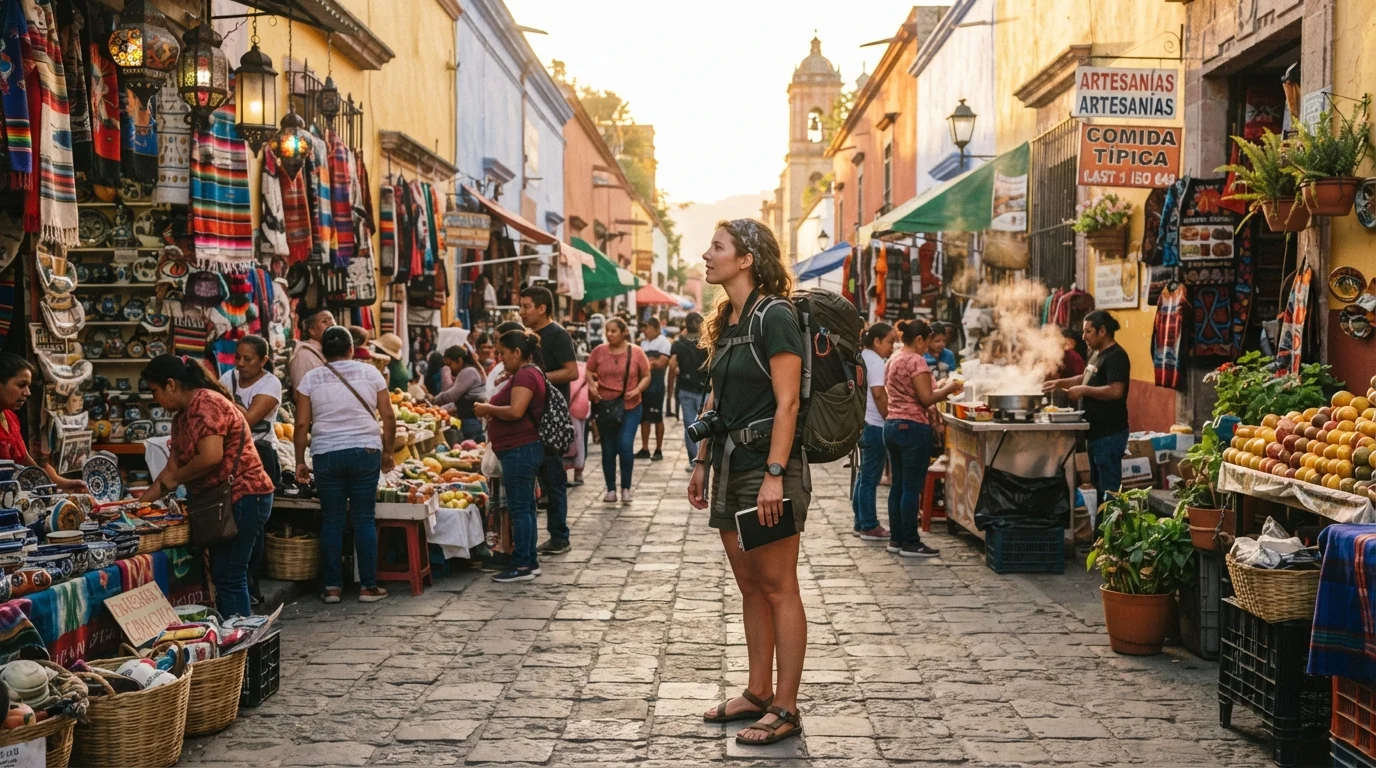
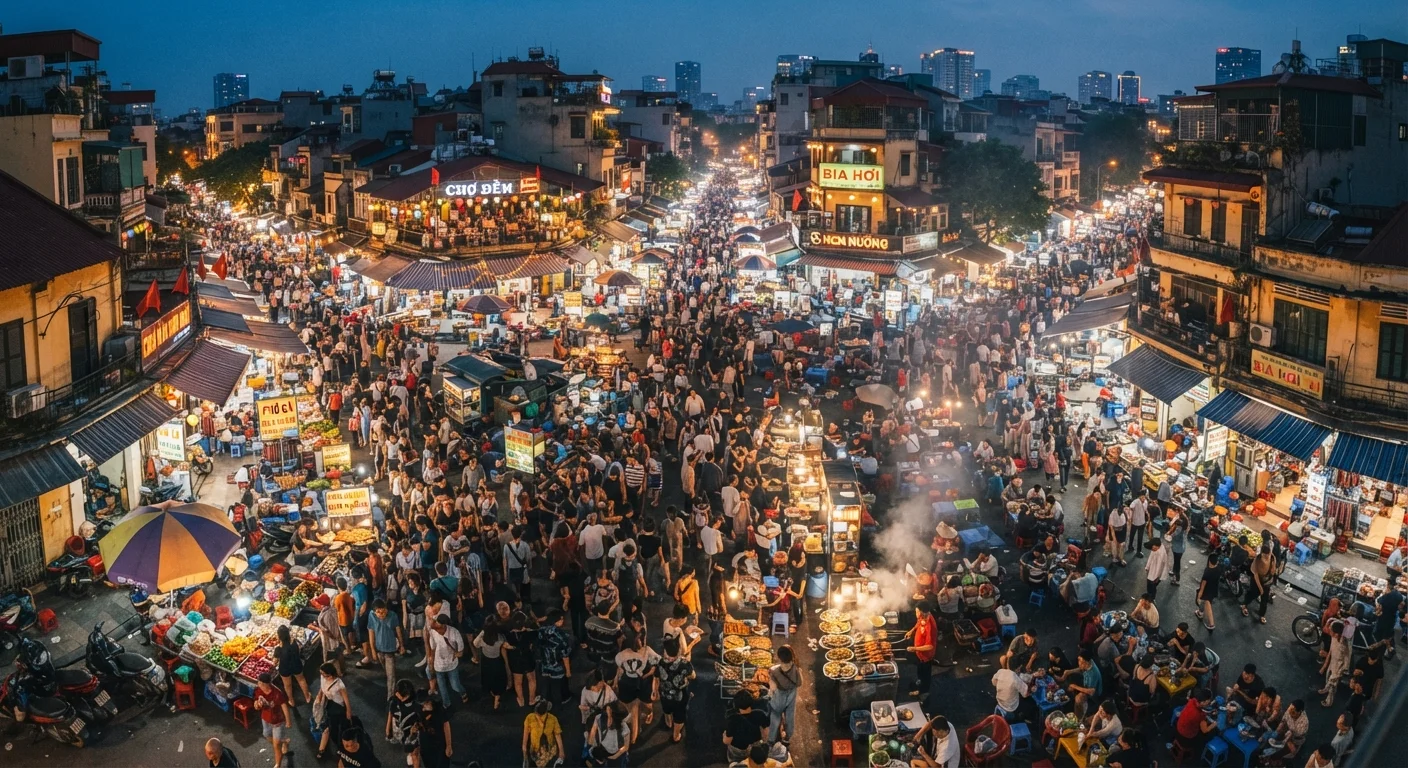
- Tourism infrastructure density: Well-developed tourist corridors (think popular beach towns or capital cities with high visitor volume) tend to cluster around internationally benchmarked pricing. Local guesthouses compete with global hotel brands; street food exists alongside tourist-oriented restaurants. Prices bifurcate — and where you land depends heavily on the choices you make.
- Import dependence: Landlocked countries or small island nations that import most consumer goods pass those logistics costs on to buyers. A bottle of wine in a landlocked African nation can cost more than the same bottle in Western Europe.
- Government subsidies and controls: Some governments subsidize transport, utilities, or staple foods, keeping costs artificially low. Others tax tourism heavily, raising prices for visitors specifically.
Purchasing Power Parity (PPP)
A measure of how far a unit of currency goes in buying goods and services in a specific country, relative to another. A destination with high PPP for US visitors means the dollar buys more there than at home.
Tourism price bifurcation
The split between local-market pricing and tourist-market pricing in the same destination. Travelers who access local options pay far less than those who default to tourist-facing services.
Cost tier
A rough grouping of destinations by typical daily spend for a budget-conscious traveler. Tiers are useful for initial planning but should always be verified against current, destination-specific data.
Import dependence
The degree to which a country relies on imported goods. High import dependence often raises consumer prices, even in low-wage economies, particularly for foreign goods and processed foods.
Tourism infrastructure density
How developed a destination's visitor-facing services are — hotels, guides, transit options, and restaurants built for tourists. High density often means more choice but also higher baseline prices.
The Three Broad Cost Tiers — And Their Limits
While every traveler's experience differs, destinations generally fall into three rough cost tiers:
- Budget-tier destinations
- Countries where a careful traveler can cover accommodation, meals, and local transport for roughly $30–$60 USD per day. Much of Southeast Asia, Central America, the Balkans, and parts of South Asia fall here under typical conditions. But these figures assume local-style accommodation and eating where locals eat — not tourist-facing options.
- Mid-range destinations
- Countries where $75–$150 per day is more realistic for modest comfort. Most of Eastern Europe, Mexico's tourist cities, and parts of South America sit here. Costs are lower than Western Europe or North America but meaningfully higher than true budget destinations.
- High-cost destinations
- Countries — often in Western Europe, Scandinavia, Australia, Japan, and parts of the Gulf — where $150+ per day is a reasonable baseline even for budget-conscious travelers. These destinations aren't un-travelable on a tight budget, but the strategies required are more demanding.
These ranges are illustrative, not fixed. They shift with inflation, currency fluctuation, and local demand. Always verify current costs using traveler forums, recent blog posts with dated entries, or cost-tracking resources before you finalize a budget. For a more structured approach, see our guide on planning a trip around a budget.
3–5x
Price gap between local and tourist options in the same city
Commonly observed in high-tourism Southeast Asian cities; exact ratios vary by location and service type.
~40%
Share of trip costs that flights often represent for budget travelers
Illustrative figure based on common traveler budget breakdowns; highly variable by origin and destination.
What Travelers Often Misread About Affordability
A few common misjudgments skew people's expectations about destination costs:
- Exchange rate ≠ purchasing power: A favorable exchange rate doesn't automatically translate to a cheap trip. If local prices are indexed to international tourism demand rather than local wages, the rate matters less than you'd think. Understanding how currency exchange works is a separate but related skill.
- Sticker shock in tourist enclaves: A destination labeled "cheap" often has expensive pockets — airport zones, beachfront towns, UNESCO heritage sites. Prices in those areas frequently track global tourist expectations, not local ones.
- Flight costs aren't included in on-the-ground estimates: A country might cost $40/day once you're there, but if the flight costs $1,200 round-trip, the total trip cost looks very different. Flight pricing patterns affect the full budget picture significantly.
- Accommodation location multiplies costs: Choosing lodging in a convenient neighborhood versus a cheaper but distant one affects daily transport spend, meal options, and your safety margins. Accommodation trade-offs are worth understanding before you book.
The most reliable way to assess a destination's true cost is to look at it as a system — not a single number. Use the Destination Guides hub to explore specific destinations with that fuller picture in mind.
Costs Change — Always Verify Before You Go
Destination cost tiers reflect general patterns, not guarantees. Inflation, currency shifts, post-pandemic tourism surges, and new infrastructure can all move a destination up or down a tier within months. Budget figures that were accurate two years ago may understate current costs significantly. Cross-reference multiple recent sources, use traveler communities with dated posts, and build a buffer into any trip budget.