What Lives Inside Your Gut - and Why It Matters
Your gut is home to an estimated 38 trillion microbial cells - roughly on par with the total number of human cells in your body. This community, collectively called the gut microbiome, is not just a passive passenger. Microbes in your large intestine help break down dietary fiber, synthesize vitamins like B12 and K, train your immune system, and interact with the gut-brain axis in ways scientists are still unraveling.
A healthy, diverse microbiome - one containing many different species - is generally associated with better metabolic, immune, and even mental health outcomes. But diversity is shaped by many variables, and diet is one of the most modifiable among them. For a broader look at how the gut communicates with the brain, see our guide to the gut-brain connection.
What the Science Confidently Supports
Among the dietary factors studied, dietary fiber has the strongest and most consistent body of evidence. Fiber - found in vegetables, legumes, whole grains, and fruits - is fermented by gut bacteria into short-chain fatty acids (SCFAs) like butyrate. SCFAs help maintain the intestinal lining, modulate inflammation, and support immune regulation, according to research published in journals including Nature and Cell Host & Microbe.
Fermented foods are also increasingly well-supported. A 2021 clinical trial published in Cell (Wastyk et al.) found that a diet high in fermented foods - yogurt, kefir, kimchi, sauerkraut, kombucha - increased microbiome diversity and reduced certain markers of inflammation in healthy adults. Diversity, in turn, is associated with resilience against pathogen colonization and metabolic stability.
Plant-forward eating patterns, including Mediterranean-style diets, are consistently linked to higher microbial diversity in observational studies. See how plant-based and omnivorous diets compare across multiple health outcomes for more context.
~38 trillion
Microbial cells in the human gut
Estimates from a widely cited 2016 paper by Sender et al. in Cell suggest the ratio of microbial to human cells is approximately 1:1, far closer than previously thought.
~1,000+
Bacterial species identified in human gut
Large-scale metagenomic studies, including the Human Microbiome Project, have catalogued over 1,000 distinct bacterial species across human gut samples.
Higher diversity
Linked to better metabolic and immune outcomes
Multiple observational studies associate greater gut microbial diversity with reduced markers of inflammation, metabolic disease risk, and improved immune regulation.
Where the Science Is Still Catching Up
Here's where we have to be honest: a lot of what circulates online about the gut microbiome outpaces what the evidence actually supports. The field is young, exciting - and often overstated.
A Note on Microbiome Testing Kits
Direct-to-consumer gut microbiome testing kits have become widely available, but their clinical utility is currently limited. There is no established scientific consensus on what an 'optimal' microbiome looks like for a given individual. Results can vary between test providers and even between samples from the same person. If you're curious, these tests can be interesting - but treat the output as exploratory, not diagnostic, and discuss findings with a healthcare provider.
Probiotics are a prominent example. While certain strains have demonstrated efficacy for specific clinical situations (such as Lactobacillus rhamnosus GG for antibiotic-associated diarrhea), broad claims that probiotic supplements will transform a healthy person's microbiome are not well-supported. A 2018 study in Cell (Zmora et al.) found that in many participants, probiotic strains passed through without colonizing the gut at all.
The microbiome is also deeply individual. Twin studies and large cohort analyses consistently show that people sharing the same dietary patterns can have strikingly different microbial communities. This makes one-size-fits-all dietary prescriptions - like "eat X food to fix your gut" - scientifically difficult to justify. Research into personalized nutrition is active and promising, but it is not yet ready for clinical application at scale.
Hydration also plays a supporting role in digestion and nutrient absorption, though its direct effect on microbiome composition is less studied. Learn how fluid intake shapes how you eat and digest.
Practical Takeaways for Everyday Eating
You don't need a microbiome test or a specialized supplement regimen to support gut health. The habits with the strongest evidence are also among the most accessible:
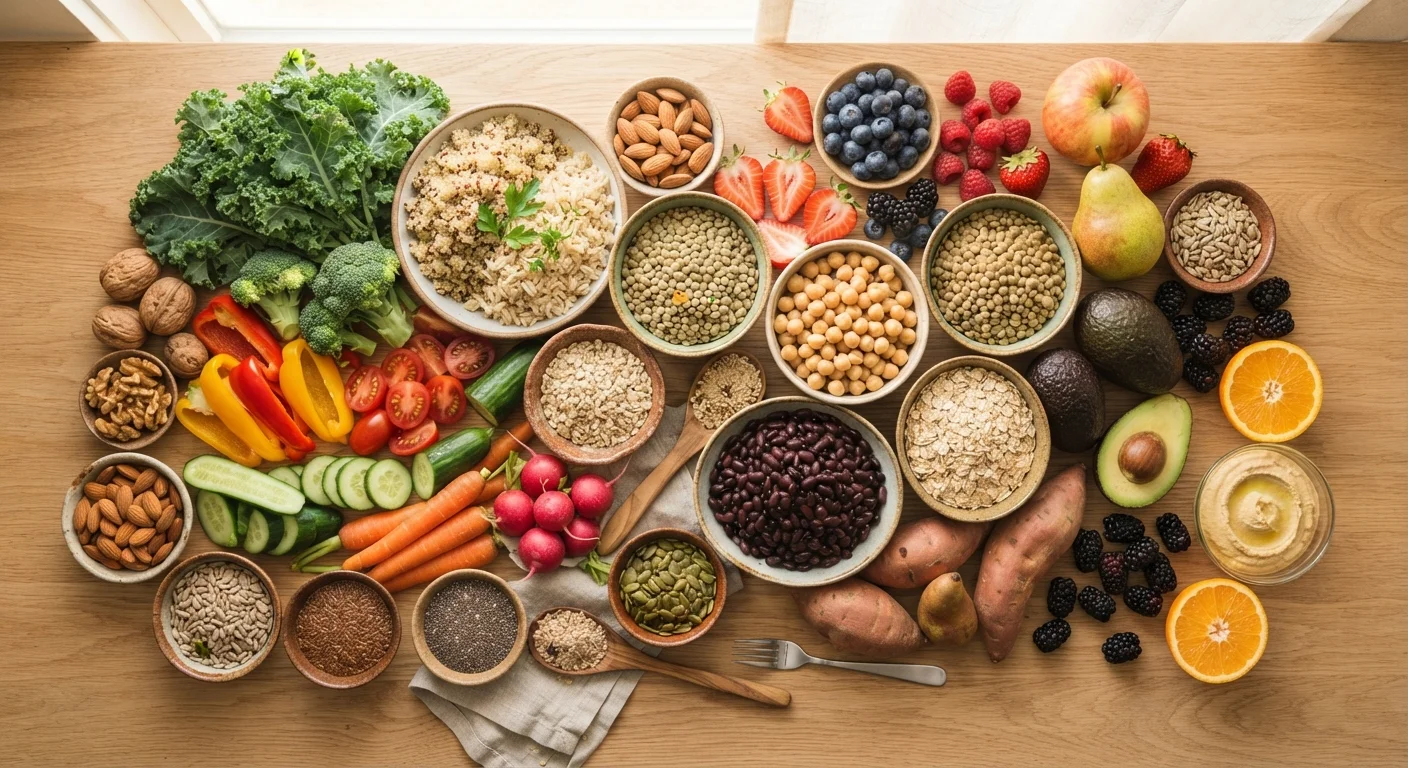
- Eat a wide variety of plant foods. Aim for diversity in the types of vegetables, fruits, legumes, and whole grains you consume - variety in plant foods translates to variety in microbes.
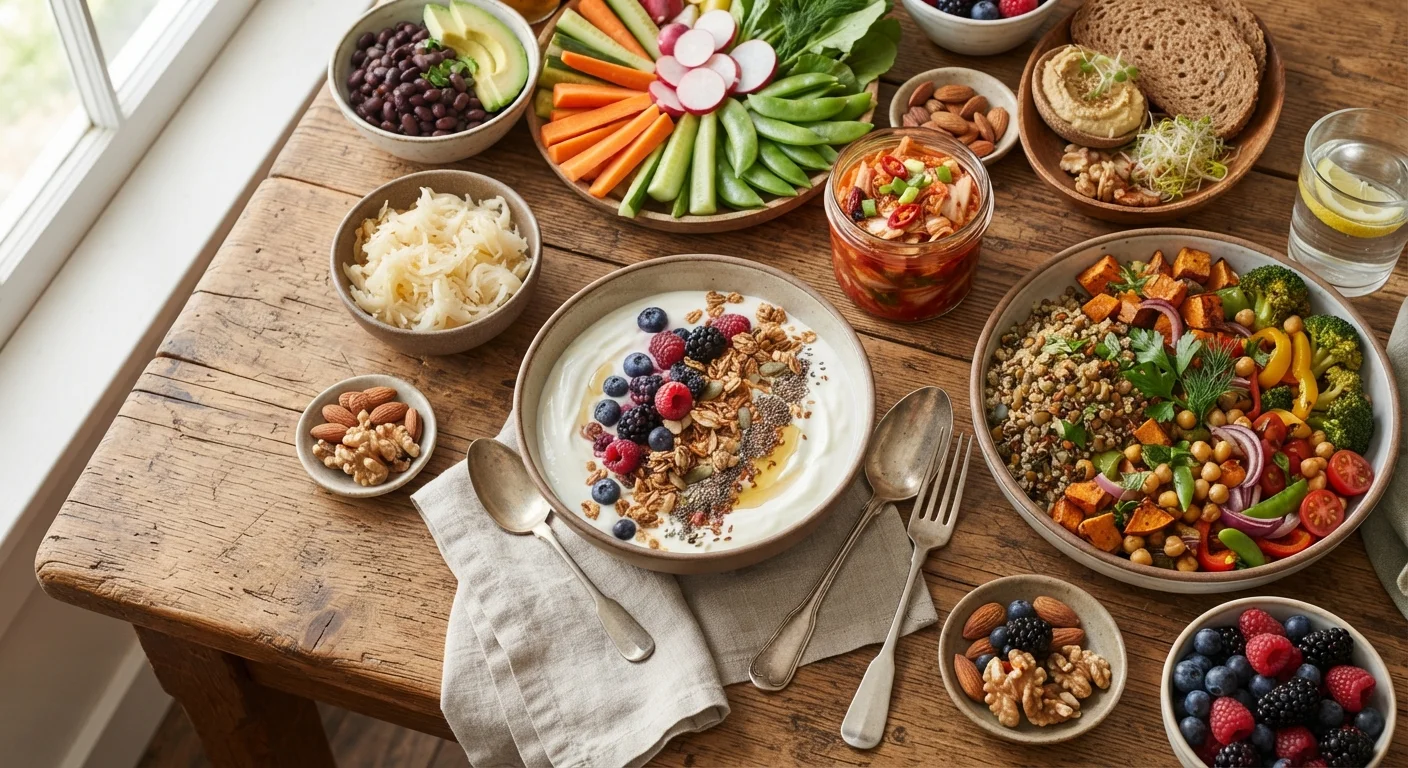
- Include fermented foods regularly. Yogurt with live cultures, kefir, or fermented vegetables can be easy additions to everyday meals.
- Limit ultra-processed foods where possible. Diets high in processed ingredients and low in fiber are associated with reduced microbial diversity.
- Be skeptical of quick-fix supplements. Most commercial probiotic and prebiotic products are ahead of the science supporting them.
Start With Food, Not Supplements
Before investing in probiotic or prebiotic supplements, consider whether your current diet includes adequate fiber and fermented foods. Whole food sources of prebiotics - like garlic, onions, oats, and bananas - and fermented foods with live cultures are well-studied and easy to incorporate. Supplements may have a role in specific situations, but food-first is the better-supported starting point for most healthy adults.
For a broader foundation in nutrition principles, our nutrition fundamentals guide covers how your body processes everything from macronutrients to micronutrients.
This article is for general informational and educational purposes only and is not a substitute for professional medical or dietary advice. If you have specific health concerns or are considering significant dietary changes, please consult a qualified healthcare provider.