Why Your Gut Is More Than a Digestive Organ
Most of us were taught to think of the gut as simply a system for processing food. But research over the past two decades has revealed something far more interesting: your gastrointestinal tract is in near-constant dialogue with your brain, influencing everything from your emotional baseline to how your body handles stress.
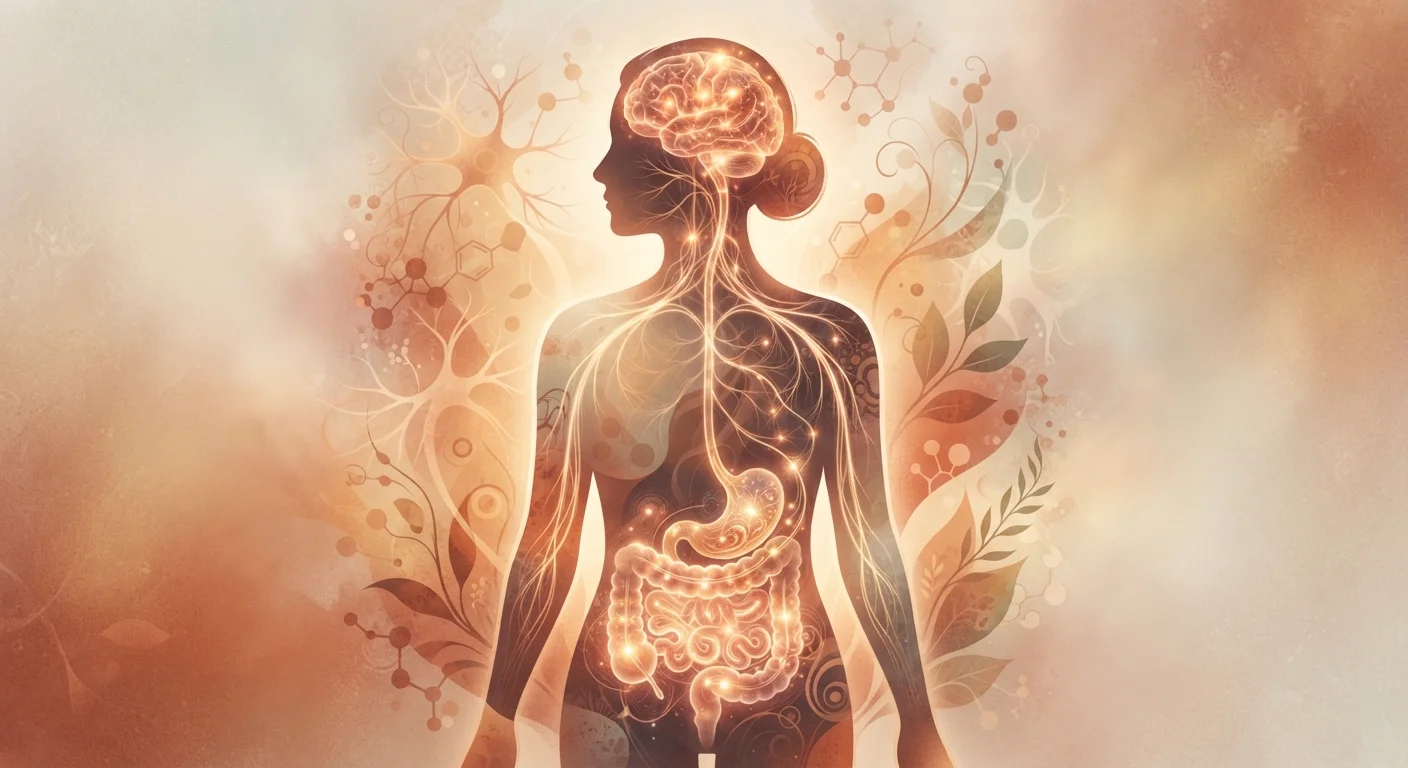
At the center of this relationship is the enteric nervous system - a vast web of roughly 100 to 500 million neurons embedded in the walls of your digestive tract. It communicates with the central nervous system primarily through the vagus nerve, a long highway of nerve fibers running from the brainstem deep into the abdomen. Importantly, about 80-90% of the signals on this nerve travel upward - from the gut to the brain - not the other way around.
This means your gut isn't just reacting to your mental state. It's actively sending information that shapes it. See our complete overview of mental wellbeing across adulthood for context on how interconnected these systems really are.
~90%
Of body's serotonin produced in the gut
According to research published in neuroscience and gastroenterology literature, the vast majority of serotonin - a key mood-regulating neurotransmitter - is synthesized in the gastrointestinal tract.
100-500M
Neurons in the enteric nervous system
The enteric nervous system contains hundreds of millions of nerve cells - more than the spinal cord - earning it the informal name 'the second brain' in scientific literature.
~38 trillion
Microbial cells in the human gut
Estimates from microbiome researchers suggest the gut hosts tens of trillions of microorganisms that collectively influence digestion, immunity, and brain signaling.
The Role of the Gut Microbiome in Mood and Stress
Your gut is home to trillions of microorganisms - bacteria, fungi, and viruses - collectively known as the gut microbiome. These microbes do far more than aid digestion. They produce neurotransmitters, including a significant portion of the body's serotonin - a chemical closely linked to mood regulation.
Emerging research suggests that a diverse, balanced microbiome is associated with lower levels of stress hormones and inflammation, both of which are connected to mental health outcomes. Conversely, disruptions to the microbiome - from illness, poor diet, or antibiotics - may influence mood and cognitive function, though the science here is still developing.
Stress, in turn, can negatively affect gut health. As we explore in our article on how stress physically affects the body, chronic stress can increase intestinal permeability and alter gut bacteria composition, creating a feedback loop that compounds both physical and emotional strain.
“The gut is not just a passive tube. It is an active sensory organ that communicates with the brain in ways we are only beginning to understand.”
— Emeran Mayer, Gastroenterologist and author of 'The Mind-Gut Connection', UCLA
Practical Ways to Support the Gut-Brain Axis
You don't need to overhaul your life to care for this system. Small, consistent habits can make a meaningful difference - and most of them support overall health in multiple ways.
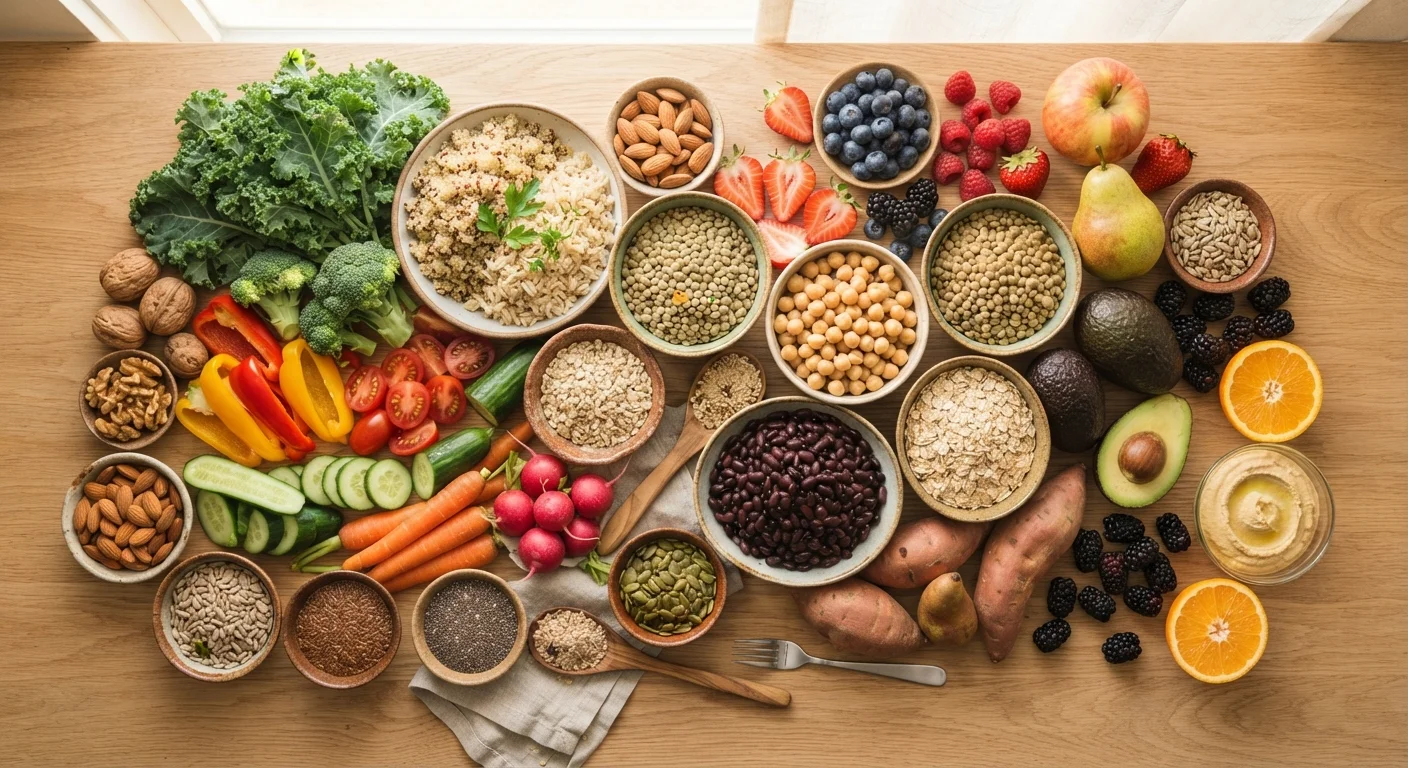
- Eat for microbial diversity: Diets high in fiber and fermented foods are associated with a healthier microbiome. Our companion article on the gut microbiome and diet offers an honest breakdown of what current evidence does and doesn't confirm.
- Move regularly: Physical activity has documented links to improved gut diversity and mental health. Regular movement and mental health are more connected than many people realize.
- Prioritize sleep: Sleep disruption affects both gut microbiome composition and emotional regulation - another area where small changes can compound positively.
- Manage chronic stress: Mindfulness practices, breathwork, and social connection have evidence behind them as stress-reduction tools. Loneliness and social isolation, as research shows, have real measurable health consequences - see our article on social connection and mental health.
Start Small With Gut-Friendly Habits
You don't need a strict protocol to start supporting your gut-brain axis. Adding one or two servings of fiber-rich foods daily, taking short walks, and protecting sleep are all accessible starting points. Consistency over weeks and months tends to matter more than any single dramatic change.
This article is for general informational purposes only and is not a substitute for medical advice. If you're experiencing symptoms related to your digestive or mental health, please speak with a qualified healthcare professional.