Why First-Time Registration Trips Up So Many People
Buying a car for the first time is exciting - and then the DMV paperwork arrives. Registration is a legal requirement that proves a vehicle is authorized for use on public roads, links the car to an owner, and funds state transportation infrastructure through fees. Unlike renewing an existing registration, first-time registration involves transferring or establishing a title, which adds several steps most first-timers don't anticipate.
The process also intersects directly with your insurance situation. You generally need active coverage before the DMV will register the vehicle, which means sorting out your policy first. If you're still figuring that part out, our guide to your first auto insurance policy walks through the decisions you'll face.
Don't Drive Without Valid Registration
Operating an unregistered vehicle is a traffic violation in every US state and can result in fines, vehicle impoundment, or complications with your insurance claim if you're involved in an accident. Complete your registration before putting the car on public roads - even a short errand counts. If you've just bought from a dealership, confirm whether the temporary tag they issue covers you while you wait.
The good news: once you understand what's expected, the process is straightforward. The steps below apply broadly across most states, but always verify with your specific state DMV - requirements do differ.
What You'll Need and How to Prepare
Preparation is everything at the DMV. The single most common reason for a failed visit is a missing document. Below is the standard toolkit for first-time vehicle registration, along with the tools and materials involved.
Certificate of Title
Proves legal ownership of the vehicle - required to transfer or establish registration in your name.
Proof of Insurance
Confirms the vehicle meets your state's minimum liability coverage requirements before plates are issued.
Completed Registration Application
The state-specific form that initiates the registration process; available on your DMV's website.
Emissions or Safety Inspection Certificate
Required in many states to confirm the vehicle meets roadworthiness and environmental standards.
Bill of Sale
Documents the purchase price, which some states use to calculate sales tax owed at registration.
If you purchased from a private seller, make sure the title has been properly signed over to you in the seller's section - an unsigned or incorrectly filled title can void the transfer. Dealerships usually handle the title paperwork on your behalf, but it's worth double-checking before you leave the lot.
Title Issues Can Stall the Whole Process
If there's a lien on the vehicle - meaning a lender still has a financial interest - the title may not be in your name yet. In this case, the lender typically holds the title and sends proof of the lien to your DMV. Verify this before your visit so you aren't turned away at the counter.
Schedule an Appointment When Possible
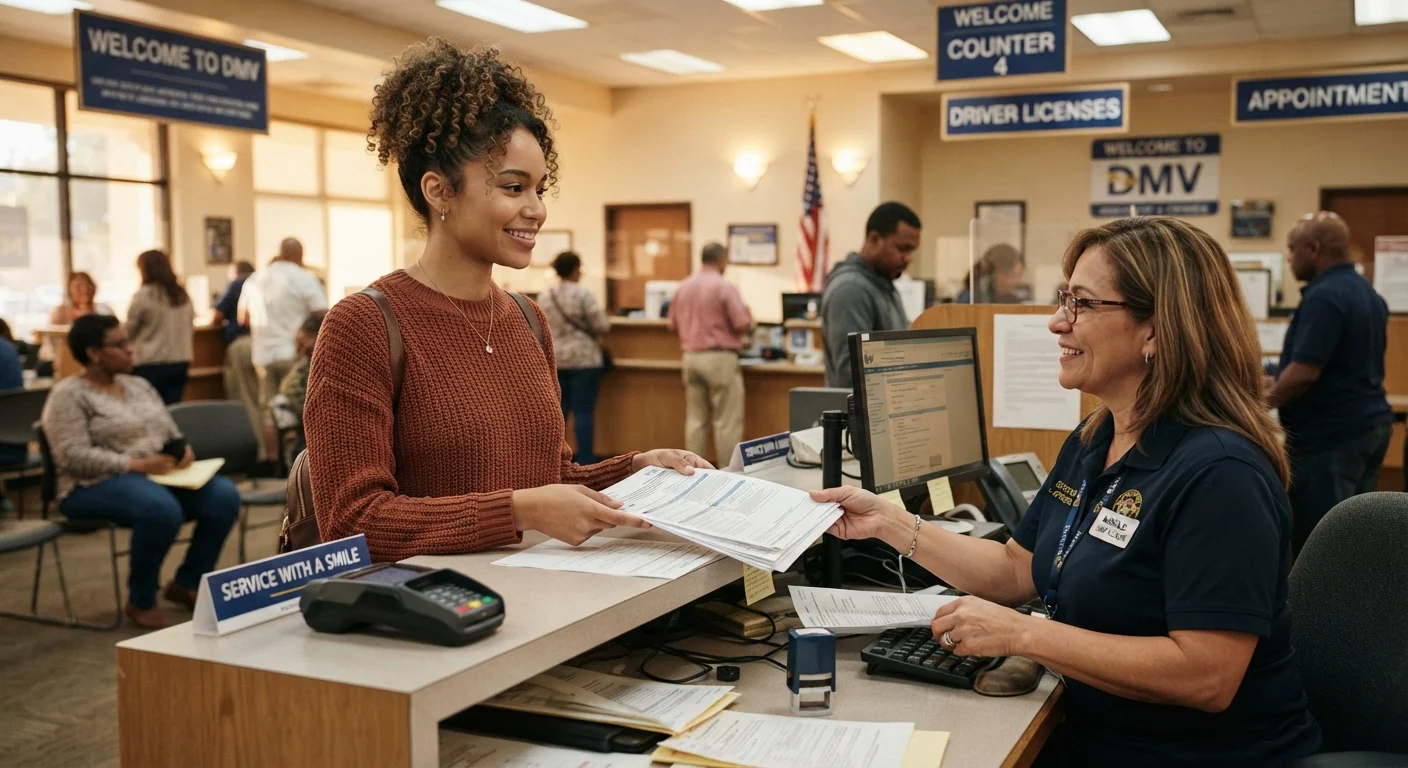
Many state DMVs allow you to book appointments online, which can cut your wait time dramatically. Download and complete any required forms from your state's DMV website the night before. Arriving with a complete, pre-filled packet is the single biggest time-saver at the window.
Step-by-Step: Getting Through the DMV
Follow these steps in order. Some can be done simultaneously (such as scheduling an inspection while downloading forms), but the sequence below reflects how each step typically depends on the previous one.
Confirm Your State's Specific Requirements
Registration rules are set at the state level, so the exact documents, fees, and inspection requirements differ depending on where you live. Before anything else, visit your state's official DMV website and look up first-time registration for a newly purchased vehicle. Note whether the car needs to pass a smog or safety inspection first, and download any forms you can complete in advance.
Get the Vehicle Inspected (If Required)
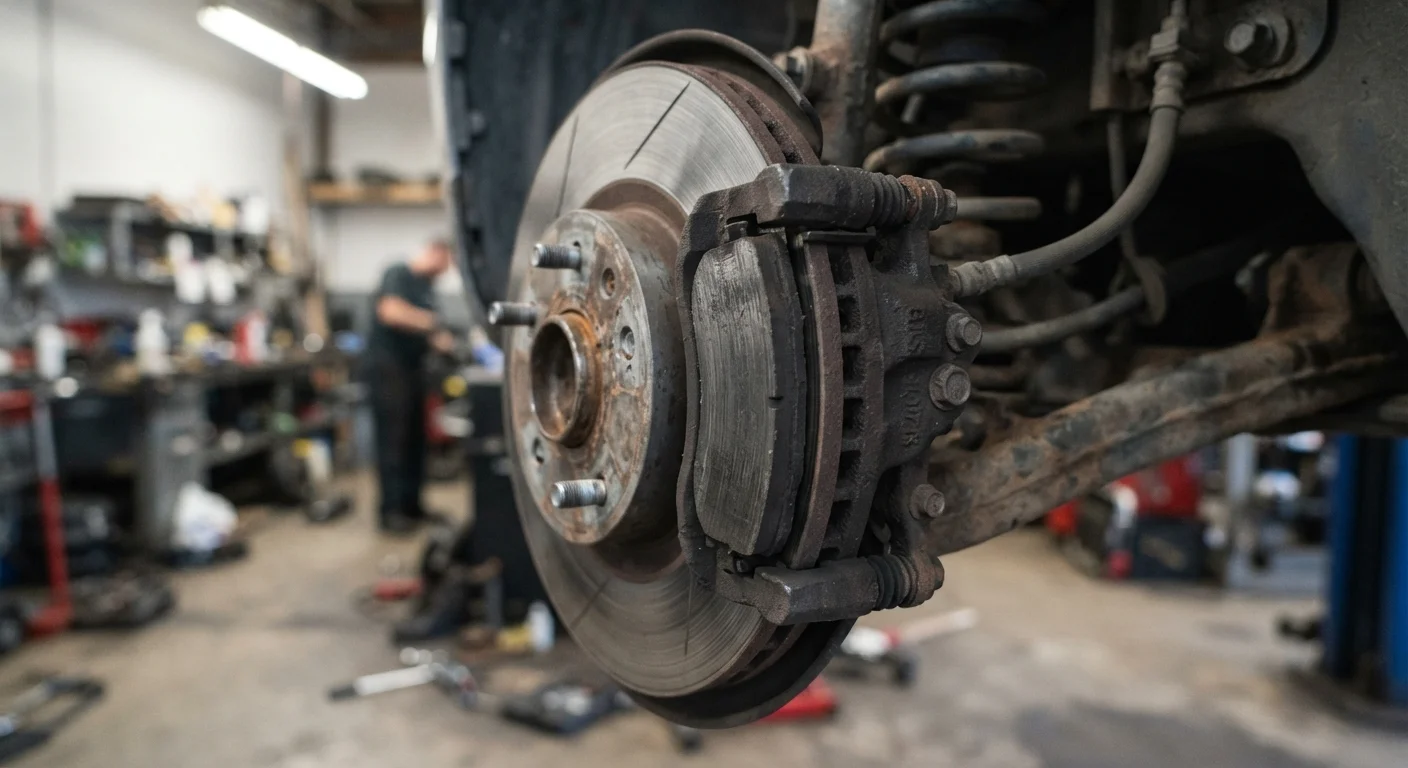
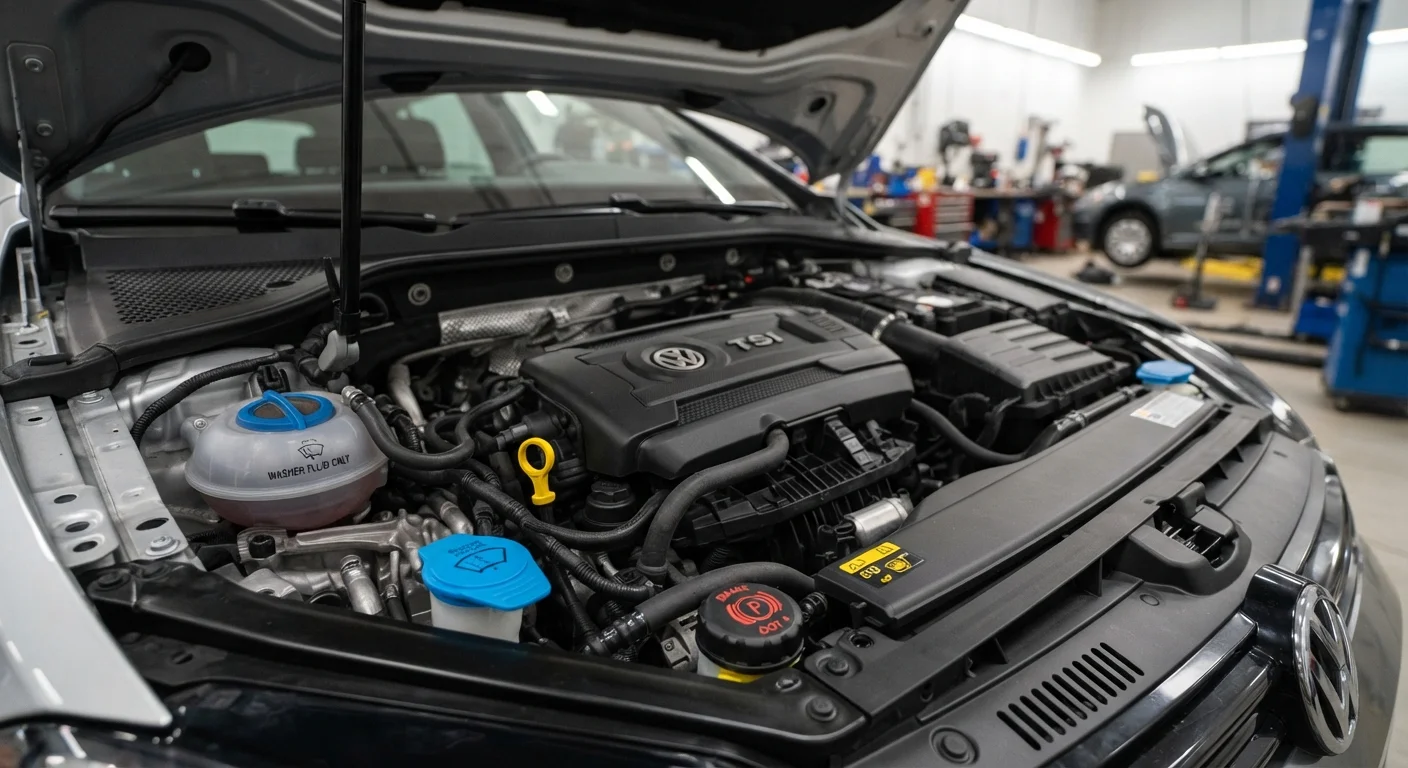
Roughly half of US states require a safety inspection, an emissions test, or both before registering a vehicle. You'll typically take the car to an approved inspection station - often a licensed mechanic or dedicated testing center - and receive a certificate if it passes. This certificate is then submitted as part of your registration packet. Check your state's list of approved inspection sites online.
Gather All Required Documents
Assemble everything into a single folder before you leave home. Typical documents include: the signed title (or lien documentation from your lender), your valid driver's license, proof of insurance, completed registration application, and a bill of sale if sales tax hasn't been collected by a dealer. Missing even one item usually means a second trip.
[prerequisites]Pay the Required Fees and Taxes
Registration costs vary widely by state and vehicle. Fees can be based on the car's weight, its assessed value, its model year, or a flat rate - sometimes a combination. Sales tax on the purchase price (if not already paid to a dealer) may also be due at this step. Ask the clerk for an itemized breakdown if anything looks unclear.
Receive Your Plates, Sticker, and Registration Card
Once your application is approved and payment is accepted, the DMV will issue license plates, a registration sticker (usually affixed to the rear plate), and a registration card to keep in the vehicle. Some states mail plates within a week or two and issue a temporary paper permit in the meantime. Store the registration card in your glove compartment - you'll need it during traffic stops.
After your first registration is complete, renewals are much simpler - usually a short online process or mail-in form each year. Getting through this first visit correctly sets you up for smooth renewals going forward. Once you're legal and registered, check out what to know before your first solo drive.