
Why Both Extremes Fall Short
Every traveler has experienced at least one of two familiar failure modes: the trip planned in fifteen-minute increments that leaves no room to linger over an unexpected street market, or the completely open itinerary that results in wasted mornings scrolling through reviews trying to decide what to do. Neither extreme serves you well.
Over-scheduling creates a touring treadmill. You move fast, check boxes, and return home exhausted rather than refreshed. Under-planning introduces a different kind of stress — decision fatigue, missed reservations for popular sites, and the creeping anxiety of feeling adrift. As experienced travelers have learned the hard way, certain gaps in preparation cause real, avoidable friction on the ground.
The goal isn't to choose between structure and freedom — it's to use each where it does the most work.
Lock In What's Hard to Reverse
The foundation of a balanced itinerary is identifying which decisions genuinely need to be made in advance and which can safely wait. A useful rule: book anything that has a fixed capacity, a specific departure time, or a meaningful cost for changing it.
For everything else — casual restaurant meals, neighborhood walks, afternoon activities — leaving the decision open gives you breathing room to respond to weather, energy levels, or a recommendation from a local. See our guide to sequencing booking decisions for a logical order that minimizes headaches.
Build a Tiered Priority List, Not a Minute-by-Minute Schedule
Rather than assigning every attraction a time slot, experienced travelers often plan around three tiers: must-dos (non-negotiables that anchor each day), want-to-dos (strong preferences with no fixed time), and maybes (nice if circumstances align). This structure gives each day a clear backbone while preserving room to adapt.
This approach also scales well for group travel. When preferences diverge, a shared priority list surfaces genuine agreement faster than debating open-ended options. Our breakdown of group vs. solo planning covers how to structure this process for different travel configurations.
Pair your priority tiers with a realistic sense of how much ground you can actually cover. A well-structured itinerary accounts for transit time, meal breaks, and the simple reality that most people slow down after day three of a trip.
Calibrate Structure to Trip Length and Type
A weekend trip to a single city demands tighter planning than a three-week multi-country journey. When time is short, every half-day matters and loose scheduling leads to regret. When time is long, rigid day-by-day plans become a liability — circumstances change, you may want to linger, or you'll discover a place worth an extra night.
Longer Trips Need Looser Plans
On trips of two weeks or more, building rigid day-by-day schedules often backfires. Interests shift, you may want to linger somewhere longer, or unexpected logistics add time. A general framework — which region on which days, anchors booked — serves long trips better than an hour-by-hour plan. Revisit and adjust your itinerary every few days rather than front-loading all decisions before departure.
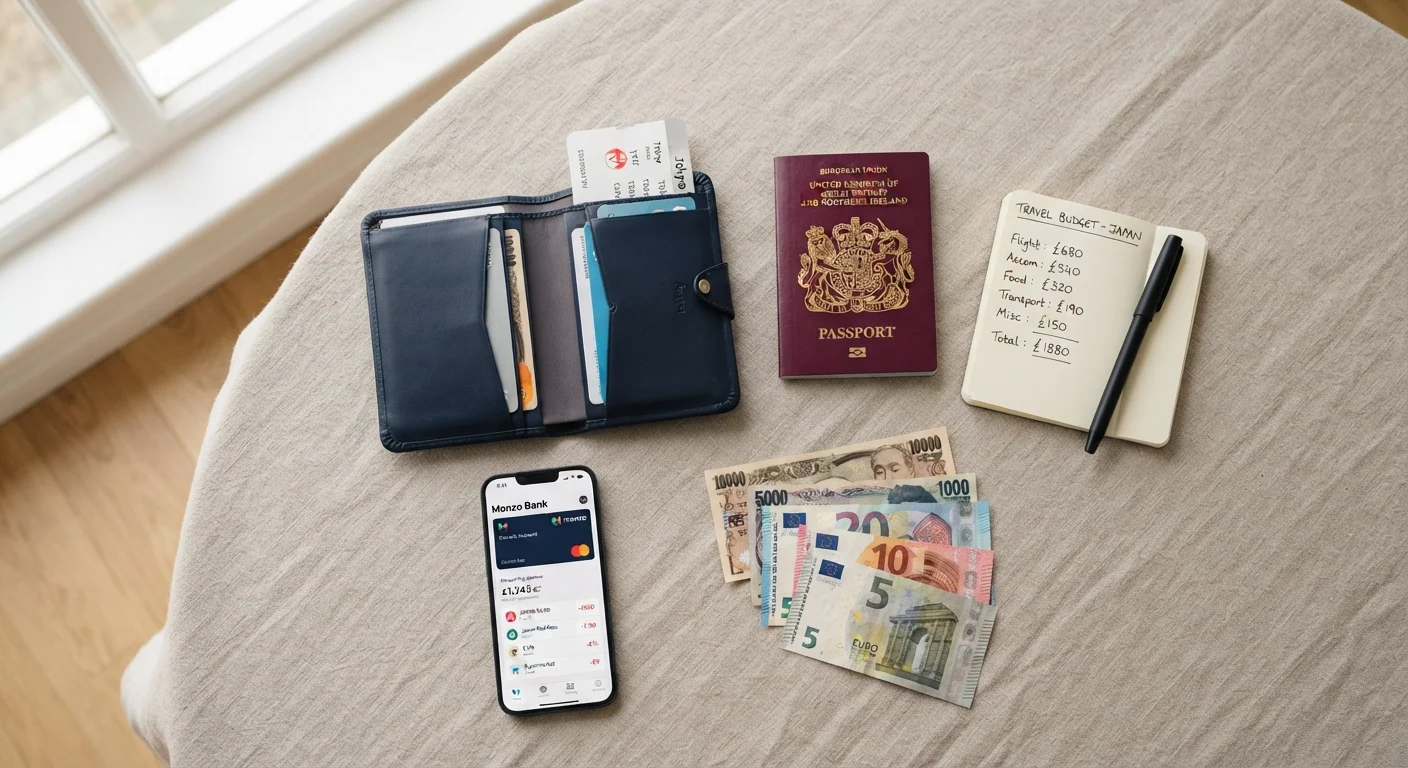
Trip type matters too. Budget travel often requires more advance legwork — booking affordable accommodations before they fill, timing visits around lower-cost windows, and understanding which splurges are worth it. Our guide to trip budgeting walks through how to allocate wisely without sacrificing the experiences that matter most.
For a deeper look at how planning timelines should shift depending on trip length, see how to match your prep to your trip length.
Protect Unscheduled Time on Purpose
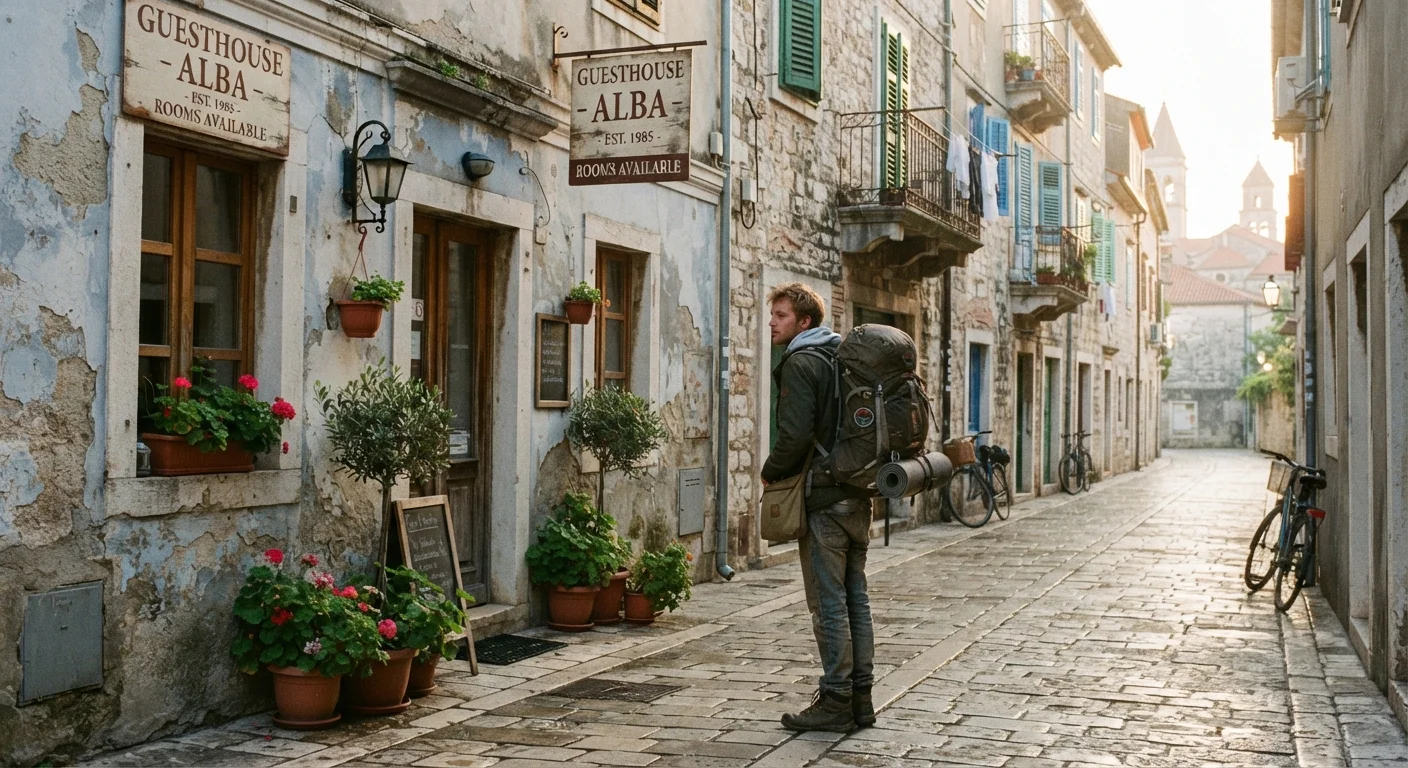
The most seasoned travelers treat open time as a feature, not a failure to plan. Building one unstructured half-day into every two or three days of a trip creates a buffer that absorbs delays, unexpected closures, or simply the desire to sit in a plaza and watch the city move around you.
“Travelers need to resist the urge to maximize every hour. Rest, wandering, and unplanned encounters are not wasted time — they are often what people remember most vividly from a trip.”
— Arthur Frommer, Travel writer and author of budget travel guides
Unscheduled time also reduces the psychological cost of things going wrong. When your schedule has slack, a delayed train becomes an inconvenience rather than a catastrophe that cascades through the rest of the day. Destinations with heavy seasonal variation — where crowds and conditions shift significantly — benefit especially from this kind of flexibility. Understanding how shoulder season affects your options can help you plan protective buffer time more strategically. For destination-specific guidance to anchor your planning, the Travel Smart Destination Guides are a useful starting point.