
The Three-Season Framework Most Travelers Don't Know
Most people think about travel in two modes: peak season, when everyone goes, and off-season, when almost nobody does. But there's a third window that doesn't get nearly enough attention — shoulder season — and understanding it can fundamentally change how you plan a trip.
The three-season framework works like this: peak season is when a destination hits maximum demand, driven by ideal weather, school breaks, or cultural events. Off-peak is when conditions, weather, or interest drop enough that visitor numbers fall significantly. Shoulder season sits in between — a transitional period that can last anywhere from a few weeks to a couple of months, depending on the destination.
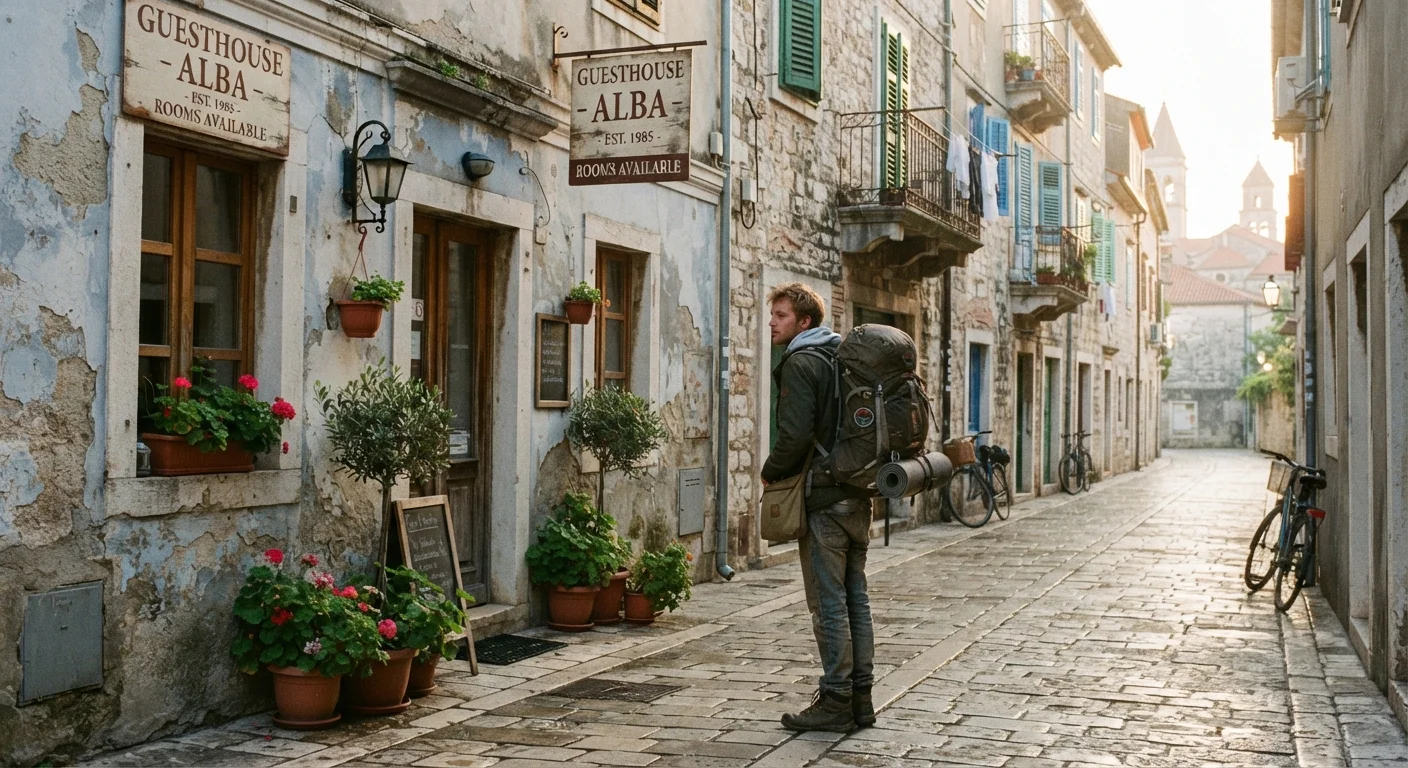
What makes shoulder season interesting isn't just that it exists — it's that it behaves differently at every destination. For a Mediterranean beach town, shoulder season might be May or October. For a ski resort, it could be early December before snow conditions peak, or late March as snow starts to soften. There's no universal calendar, which means doing destination-specific research is non-negotiable. Our destination guides are a good place to start narrowing down the timing for specific regions.
20–30%
Typical occupancy drop vs. peak season
Hotel occupancy rates in many tourism-dependent destinations fall noticeably during shoulder periods, according to hospitality industry analyses, though the degree varies widely by location.
2–8 weeks
Average length of a shoulder season window
Most travel professionals define shoulder season as a transitional window of roughly two to eight weeks, though this varies significantly by destination type and climate zone.
~60%
Travelers who say crowds affect trip satisfaction
Surveys by travel research organizations consistently find that overcrowding is among the top factors that negatively affect traveler satisfaction at popular destinations.
What Actually Changes During Shoulder Season
Shoulder season affects several dimensions of a trip simultaneously, and not all of them are obvious upfront.
Crowds
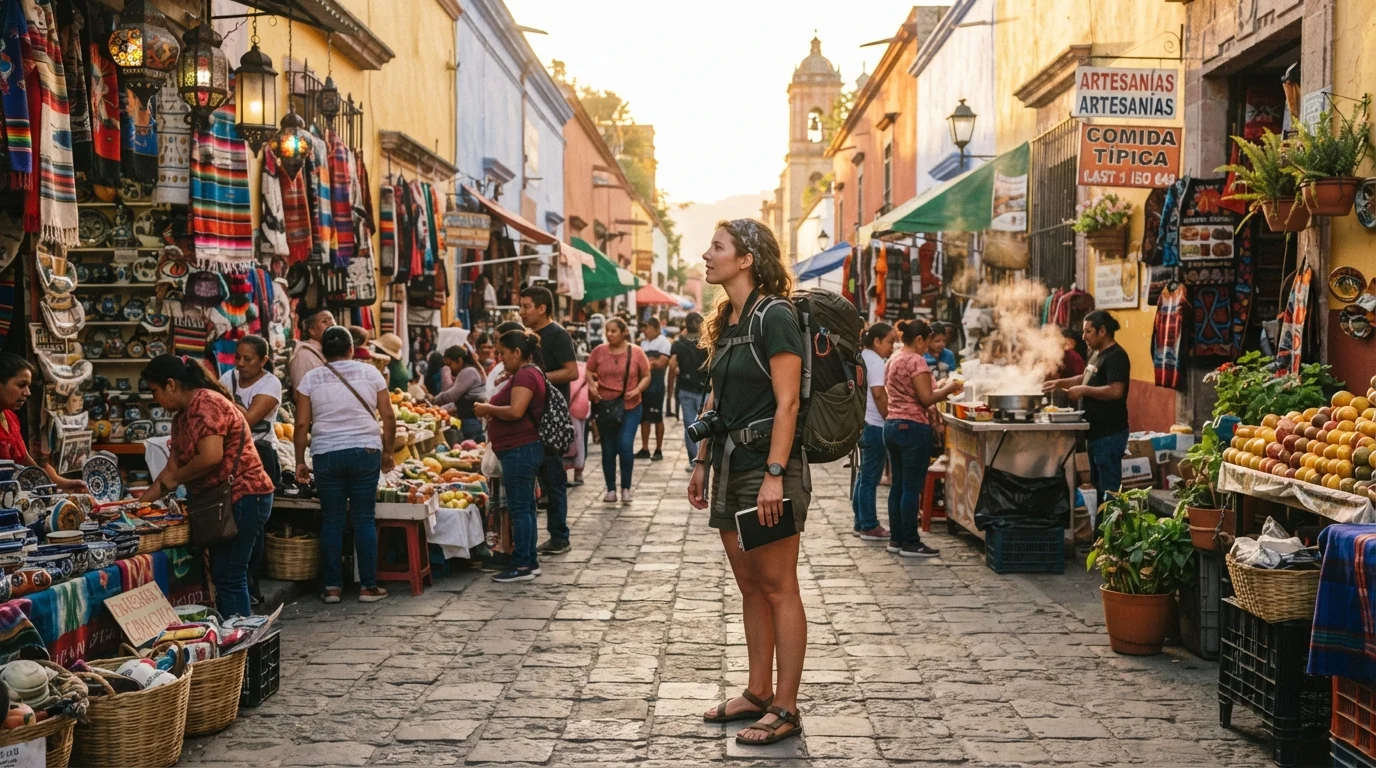
This is the most consistent advantage. Popular sites that feel overwhelming at peak — think major museums, national parks, or historic city centers — are often genuinely manageable during shoulder periods. Shorter lines, easier restaurant reservations, and more breathing room at viewpoints are common experiences, though not universal.
Prices
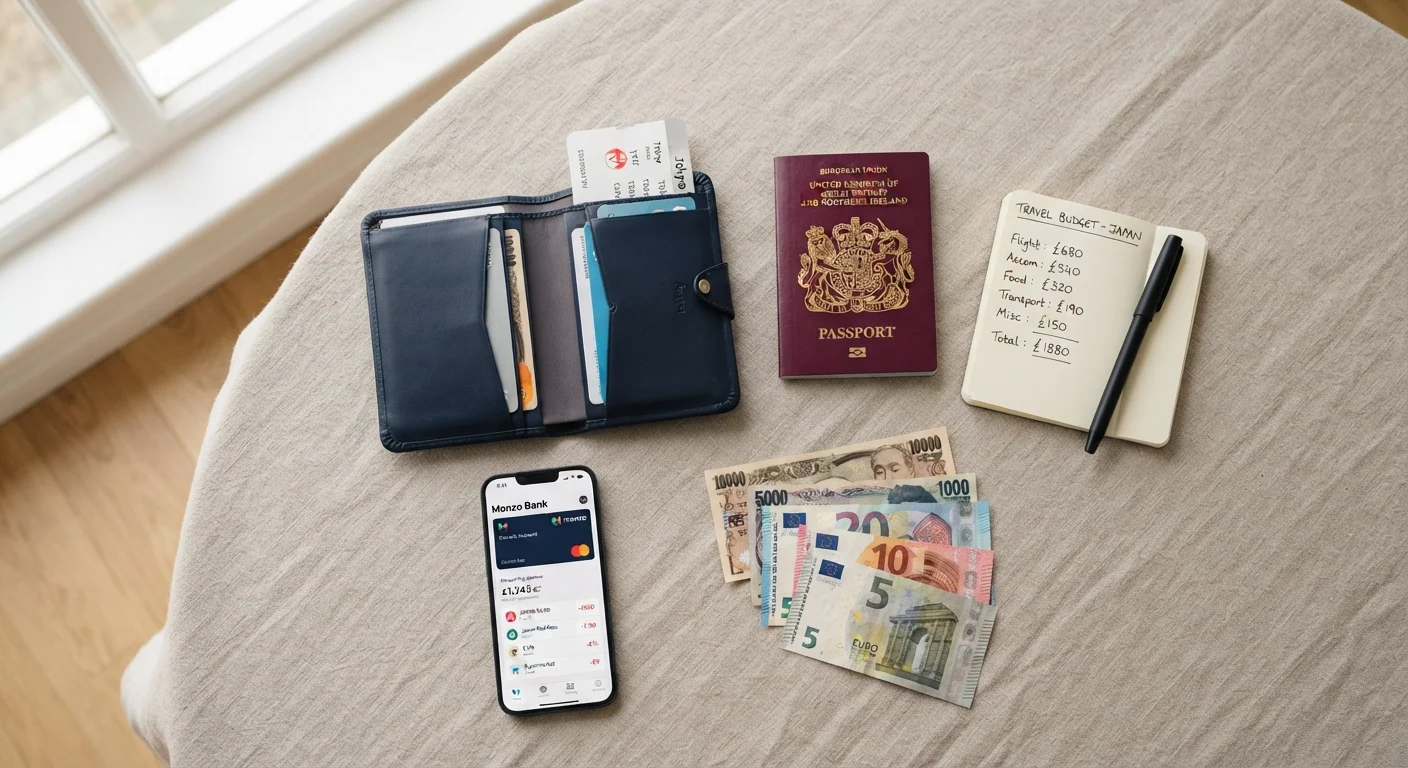
Airfare and accommodation can be lower during shoulder season because demand drops, but the relationship isn't as simple as "shoulder equals cheap." Budget airlines may reduce frequency on certain routes, and popular boutique hotels in tourist-heavy destinations sometimes hold prices firm regardless of season. Treat potential savings as a possibility to look for, not a certainty to plan around.
Weather and Conditions
Shoulder season weather is inherently less predictable. You might get stunning sunny days or a string of rainy ones — often within the same week. Check historical weather averages rather than assuming, and build some flexibility into your travel itinerary to absorb unexpected weather days without derailing the whole trip.
Operational Hours
Some attractions, ferry services, or seasonal restaurants operate on reduced schedules outside peak season. Verify hours and availability before you arrive — this is especially important in smaller towns or island destinations that scale down operations significantly after the summer rush.
Build a Weather Buffer Into Your Itinerary
During shoulder season, weather variability is higher than at peak. Rather than scheduling every day back-to-back, leave at least one unstructured day per week that can absorb a rain day or a delayed activity without cascading disruptions. Treating flexibility as a built-in feature — not a fallback — reduces stress significantly when conditions shift.
Shoulder Season Looks Different Depending on Your Trip Type
How much shoulder season affects your trip also depends heavily on the kind of travel you're doing. A solo traveler with a flexible schedule can adapt to a rainy day or a closed attraction far more easily than a group with a fixed agenda. If you're planning with others, group vs. solo planning dynamics are worth thinking through before shoulder season trade-offs enter the picture.
Urban destinations typically handle shoulder season better than rural ones. A major city has enough infrastructure — museums, restaurants, transport — that reduced seasonal hours barely register. A small coastal village entering its quiet period might close half its restaurants and drop bus frequency to twice daily. The difference between urban and rural travel logistics becomes especially pronounced during transitional seasons.
Trip length also plays a role. On a short trip, one weather disruption or a closed attraction is a bigger proportional hit than on a longer journey. Matching your planning approach to trip length helps you calibrate how much buffer to build in.
How to Use This When You're Actually Planning
Shoulder season is a useful lens, but it's one input among many — not a decision-making shortcut. Here's how to fold it into real planning:
- Research the specific destination's seasons first. Don't assume generalizations apply. A quick search of tourism board sites or travel forums for that destination will surface when shoulder windows typically fall.
- Cross-reference with your own priorities. If crowds bother you more than weather variability, shoulder season is worth pursuing. If you need reliable sunshine for a beach-focused trip, it might not be.
- Build flexibility into your structure. Finding the right balance between flexibility and structure matters more in shoulder season than at peak, when conditions are predictably favorable.
- Verify what's actually open. Don't assume. Check attraction and transportation websites for the specific dates you're traveling.
- Watch prices but don't bank on them. Monitor fares and accommodation costs as you plan, but don't build a budget that depends on savings that may not materialize.
Shoulder season can genuinely improve a trip — more access, less stress, sometimes lower cost. But it rewards travelers who understand the trade-offs going in, not those who treat it as a guaranteed upgrade over peak travel.
Visa and Entry Rules Don't Change With the Season
Shoulder season affects demand and conditions, but entry requirements — visas, vaccination records, and border rules — remain the same year-round and can change without notice. Always verify current requirements through official government sources (such as the U.S. Department of State or the destination country's embassy) before booking, regardless of when you plan to travel.