Why First-Timer Expectations Often Miss the Mark
Southeast Asia consistently tops lists of backpacker and budget-travel destinations, and the social media version looks irresistible: pristine beaches, cheap street food, ancient temples at sunrise. That picture isn't false — but it's heavily edited. First-time visitors often arrive with assumptions shaped more by travel influencers than by ground-level reality.
The result is a predictable set of surprises: visa paperwork that wasn't anticipated, heat that makes afternoon sightseeing genuinely difficult, and cultural missteps that could have been avoided with ten minutes of research. The myths below cover the most common gaps between expectation and experience — and what to actually prepare for. If you're still in the early stages of planning, our ground-up first international trip guide walks through the full pre-departure checklist.
Myth
Southeast Asia is essentially one place with a shared culture and the same rules everywhere.
Fact
Southeast Asia spans eleven countries with distinct languages, religions, legal systems, and social norms — treating it as uniform leads to real missteps.
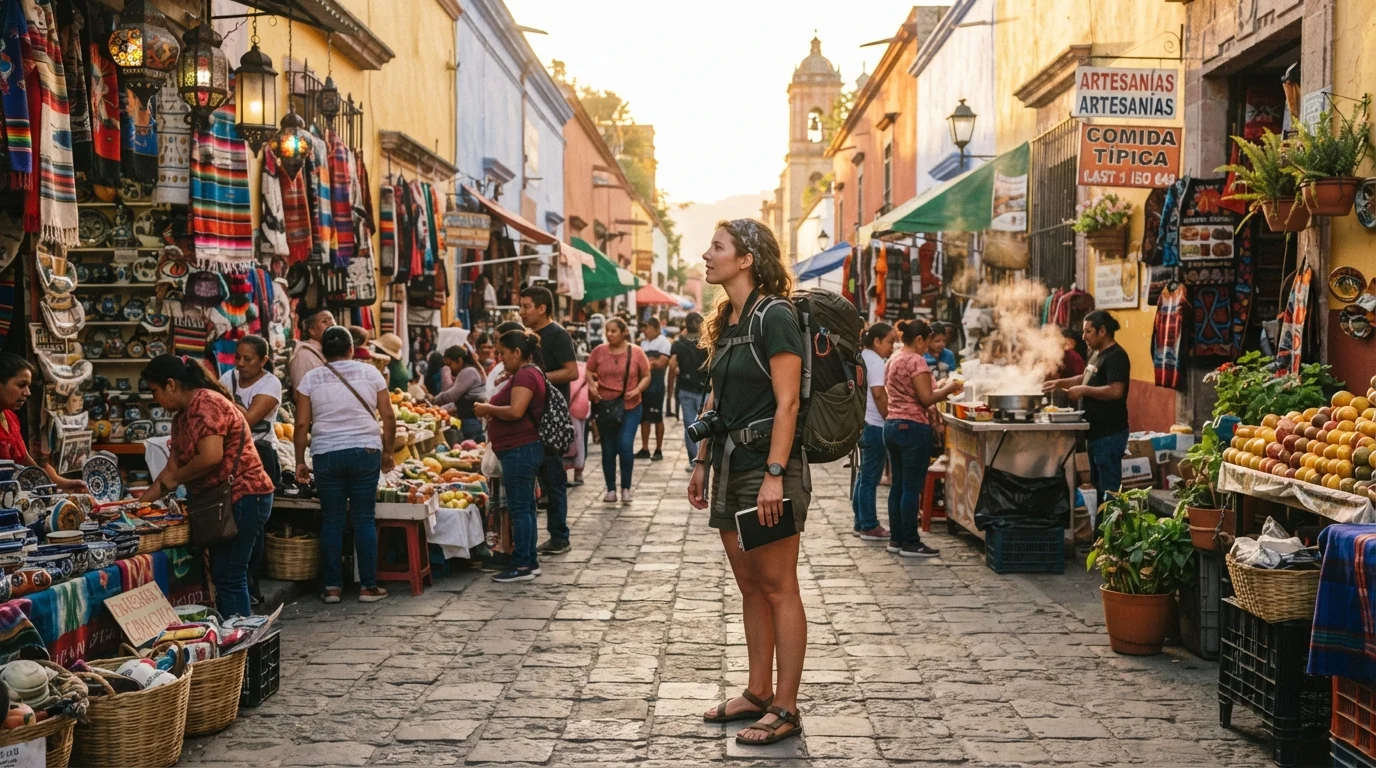
Thailand, Vietnam, Indonesia, Cambodia, the Philippines, and their neighbors each have different entry requirements, tipping customs, dress codes, and local laws. What's acceptable at a beach town in Thailand may be genuinely offensive at a temple complex in Myanmar. Researching each specific country — and sometimes each specific site — is not optional. The region's diversity is part of what makes it compelling, but it requires destination-specific homework rather than a one-size-fits-all approach.
Myth
You can sort out visas on arrival or figure them out when you get there.
Fact
Some countries require e-visas or pre-approved visas obtained days or weeks before arrival; showing up unprepared can mean being denied boarding.
Visa-on-arrival is available for many nationalities at certain entry points — but not all, and the rules change. Indonesia, Vietnam, and Cambodia have adjusted their visa policies multiple times in recent years. Processing times for e-visas can range from 24 hours to several business days. Always check your specific passport's requirements on the official immigration website of the destination country and your own government's travel advisory page, well before your departure date.
Myth
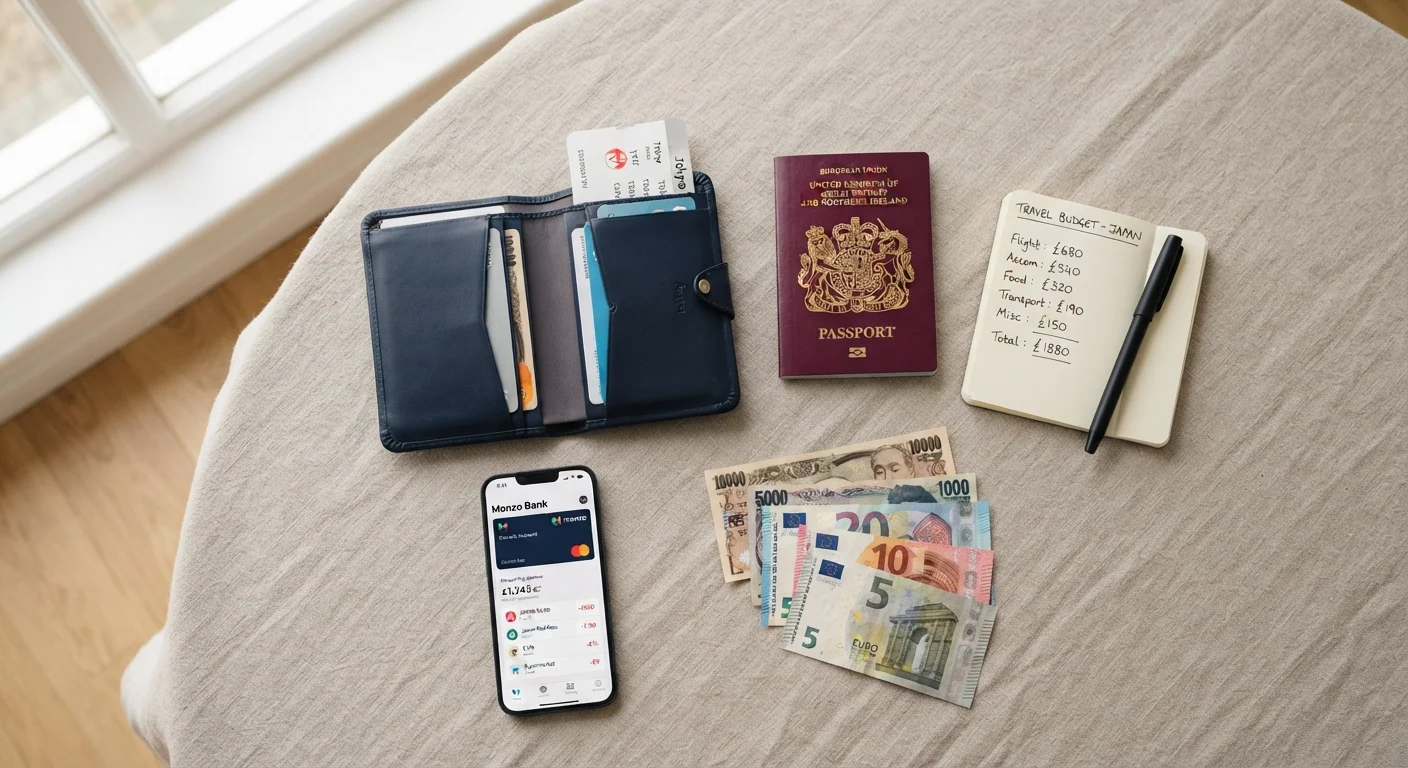
Southeast Asia is so cheap that you barely need a budget.
Fact
While costs remain lower than in Western countries, prices in popular tourist areas have risen substantially, and "ultra-cheap" expectations frequently lead to frustration.
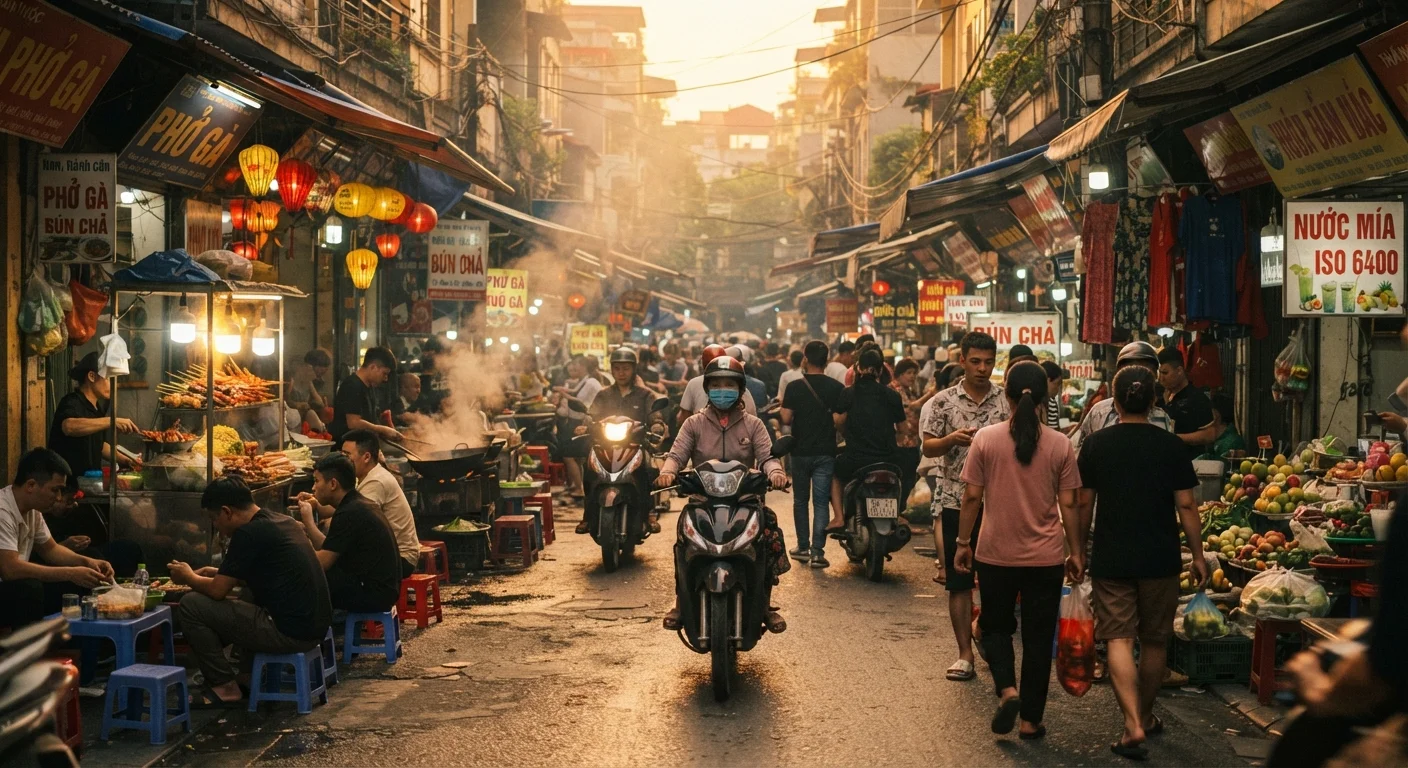
Accommodation in high-demand areas of Bangkok, Bali, and Hoi An now competes with mid-range pricing in parts of Europe during peak season. Entry fees, tourist transport, and guided experiences add up quickly. Street food remains genuinely affordable in local markets, but tourist-facing restaurants operate on different price logic. Building a realistic daily budget — accounting for accommodation, transport between cities, site entry fees, and food — prevents the financial stress that catches many first-timers off guard.
[stat_highlights]Myth
The heat is just like a hot summer day back home — you'll adapt quickly.
Fact
Equatorial heat combined with high humidity creates conditions that are physiologically more demanding than most North American or European summers, regardless of the temperature reading.
Humidity above 80% significantly reduces the body's ability to cool itself through sweating. Midday temperatures in much of the region regularly exceed 90°F (32°C) with humidity levels that make physical exertion genuinely taxing. Experienced travelers commonly schedule active sightseeing for early morning or late afternoon, use midday hours for indoor sites or rest, and hydrate far more aggressively than they would at home. Heat exhaustion is a real risk, particularly in the first few days before any acclimatization.
Myth
Dressing casually is fine everywhere — locals are used to tourists.
Fact
Dress codes at religious sites are strictly enforced in many locations, and failure to comply results in being turned away, regardless of how far you've traveled to get there.
Temples, mosques, and sacred sites across the region commonly require covered shoulders and knees as a minimum. Some sites provide wraps for rent or loan, but not all do. Beyond formal requirements, dressing respectfully in non-tourist areas signals basic cultural awareness and changes how locals interact with you. Packing at least one lightweight, modest outfit specifically for site visits is practical — not merely polite.
What to Actually Do With This Information
Correcting these myths isn't about lowering excitement — it's about channeling it productively. The travelers who enjoy Southeast Asia most are the ones who planned for the real version of the region, not the highlight reel. That means checking visa requirements at official government sources at least six weeks out, building midday rest into itineraries, dressing appropriately for the sites on your list, and setting a realistic daily budget that accounts for transport and entry fees.
Verify Entry Requirements Before You Book Flights
Visa rules, vaccination requirements, and entry conditions in Southeast Asia change more frequently than in many other regions. A policy that applied six months ago — or that applied to a friend's passport — may not apply to yours today. Always check official government travel advisories and the destination country's immigration authority directly, and do so close to your departure date, not just at initial booking.
Arrivals can be disorienting even with solid preparation. Learn what actually goes wrong when you land without a clear plan — and how to avoid those friction points before your flight lands. For a country-specific example, our Vietnam region-by-region snapshot shows how sharply conditions differ even within a single destination. And if you want tools for evaluating any destination more critically, this guide to separating destination hype from reality is a useful starting point.
This article provides general travel information for educational purposes. Entry requirements, health advisories, and local conditions change frequently. Always verify visa rules, vaccination requirements, and travel advisories through your government's official travel portal and destination country embassy before booking.