How to Use This Guide
Portugal is a compact country — roughly the size of Indiana — yet its seven major regions vary dramatically in climate, cost, pace, and what they reward in a traveler. This reference guide gives you a factual, honest snapshot of each region so you can match your trip to your actual priorities, whether that's beach access, cultural depth, hiking terrain, or affordability.
Prices and seasonality can shift; always verify current entry requirements and regional travel conditions through official sources before booking. If you're weighing Portugal against other European-adjacent destinations, our overview of Morocco as an independent travel destination makes a useful contrast.
| Capital | Lisbon |
| Currency | Euro (EUR) |
| Official language | Portuguese |
| Land area | Approx. 35,600 sq miles (92,000 km²) |
| Peak travel season | June–August (coastal); March–May for interior |
| Schengen Area member | Yes — US passport holders typically get 90 days visa-free (Verify current entry rules with the U.S. State Department) |
| Main international airports | Lisbon (LIS), Porto (OPO), Faro (FAO), Funchal/Madeira (FNC) |
Region-by-Region Breakdown
Lisbon & Surroundings
Portugal's capital sits on the Tagus estuary and functions as the country's main entry point. The metro area is dense with museums, historic neighborhoods (Alfama, Belém), and day-trip access to Sintra and the Arrábida coast. Costs here are higher than the national average, and popular neighborhoods have seen significant price increases in recent years. Expect a fast-paced urban experience with strong public transit.
Porto & the Douro Valley
Portugal's second city has a gritty, working-class character that contrasts with Lisbon's polish. The riverside Ribeira district and wine cellars in Vila Nova de Gaia are the anchors. Inland, the Douro Valley offers dramatic terraced vineyards and river cruises. Porto generally runs cheaper than Lisbon for food and lodging, and its walkable core rewards slower travel.
Algarve
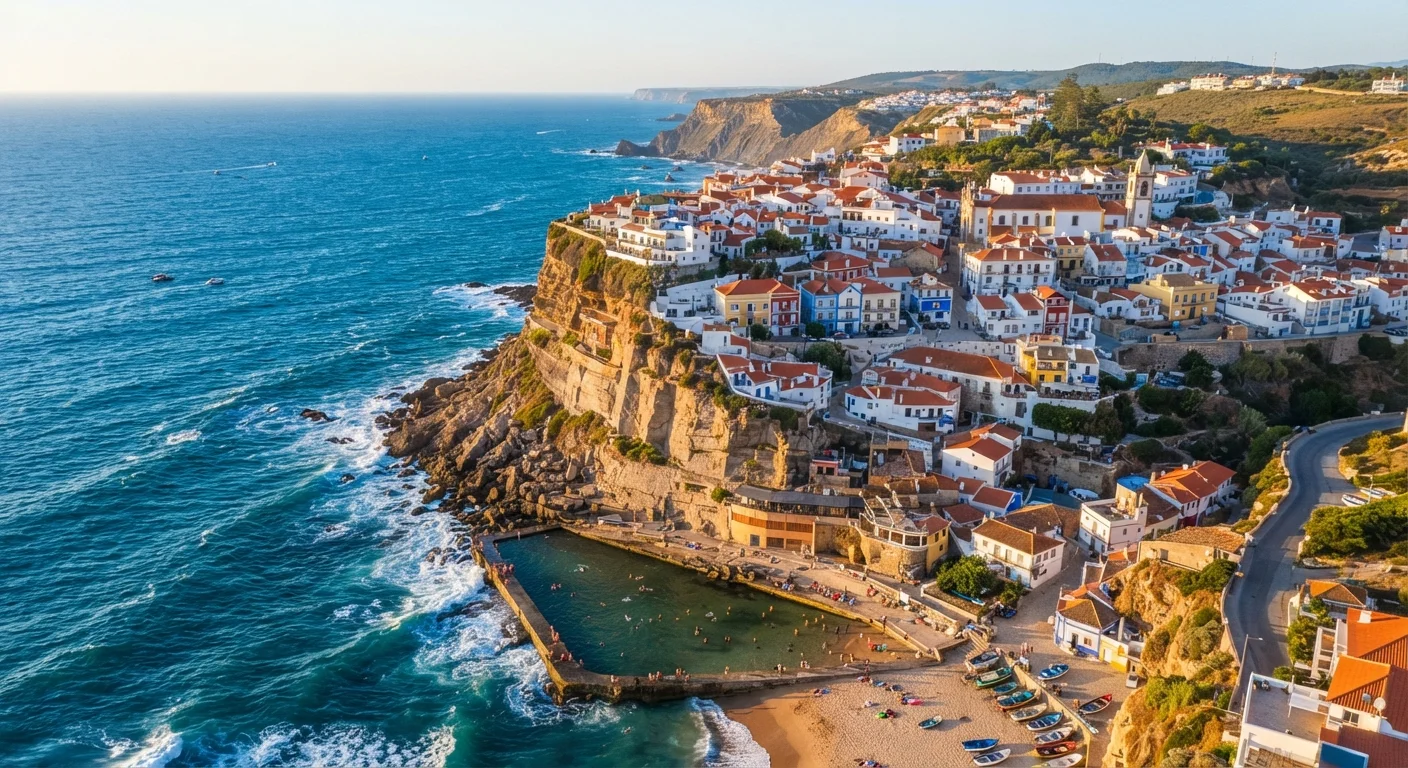
The southern coast is Portugal's most visited region for good reason: consistent sun from April through October, dramatic limestone cliffs, and well-developed beach infrastructure. Trade-offs include crowds from June–August, higher accommodation prices in peak season, and a resort-heavy feel in towns like Lagos and Albufeira. The eastern Sotavento coast (around Tavira) is quieter and less developed.
Alentejo
The interior plains region is slow-travel territory — cork forests, medieval walled towns like Évora (a UNESCO World Heritage Site), and some of Portugal's most respected wines and olive oils. Alentejo is notably less touristed than the coast, with lower prices and a more authentically Portuguese day-to-day feel. Summers are intensely hot; spring and autumn are more comfortable.
Madeira & the Azores
These Atlantic archipelagos operate on their own logic. Madeira offers subtropical flora, dramatic coastal hikes (levada trails), and year-round mild temperatures. The Azores — nine islands spread across 370 miles of ocean — deliver volcanic landscapes, whale watching, and outdoor adventure, with each island having a distinct character. Both require separate domestic flights and independent itinerary planning.
Island Travel Requires Separate Planning
Madeira and the Azores are autonomous Portuguese regions but are not on the Iberian Peninsula — reaching them requires a separate flight from Lisbon or Porto. Factor in additional flight costs and booking windows when considering them as part of a Portugal trip. Island accommodation can book up well in advance during summer months.
Minho & the North
Portugal's greenest region, bordering Spain's Galicia, is underexplored by international visitors. The Vinho Verde wine country, the Peneda-Gerês National Park (the country's only national park), and historic Guimarães — considered the birthplace of Portugal — are the main draws. Rainfall is higher here than anywhere else in the country, particularly from October through March.
Planning Across Regions
A two-week itinerary can realistically cover two to three regions well, depending on pace. Lisbon–Porto–Douro is a logical northern loop; Lisbon–Alentejo–Algarve works as a southern arc. Island trips to Madeira or the Azores are best treated as standalone trips rather than add-ons.
Portugal is generally considered one of the more affordable Western European destinations, but costs vary meaningfully by region and season. If budget structure matters to your planning, the practical guide to building a travel budget walks through how to allocate costs without sacrificing experience quality. For broader frugal travel strategies, see budget travel fundamentals by topic.
Levada
A narrow irrigation channel built into Madeira's hillsides, often accompanied by a footpath used for hiking. Levada trails range from easy walks to exposed, technical routes.
Sotavento
The eastern stretch of the Algarve coast, sheltered from Atlantic winds. It tends to be quieter and less commercialized than the central or western Algarve.
Vinho Verde
A young, slightly effervescent wine style produced in the Minho region of northern Portugal. 'Verde' refers to its young age, not its color — both white and red versions exist.
UNESCO World Heritage Site
A location recognized by the United Nations Educational, Scientific and Cultural Organization for outstanding cultural, historical, or natural significance. Portugal has several, including Évora's historic center and the Douro Valley vineyards.
This article provides general travel information only. Entry requirements, regional conditions, and costs can change. Verify all travel details with official Portuguese and U.S. government sources before your trip.