Why Expectations Go Wrong Before the Trip Starts
Greek island hopping ranks among the most romanticized travel concepts in the world. Social media feeds show pristine sunsets, empty cobblestone alleys, and impossibly blue water — with none of the logistical friction in sight. That gap between image and reality is where most trip frustrations originate.
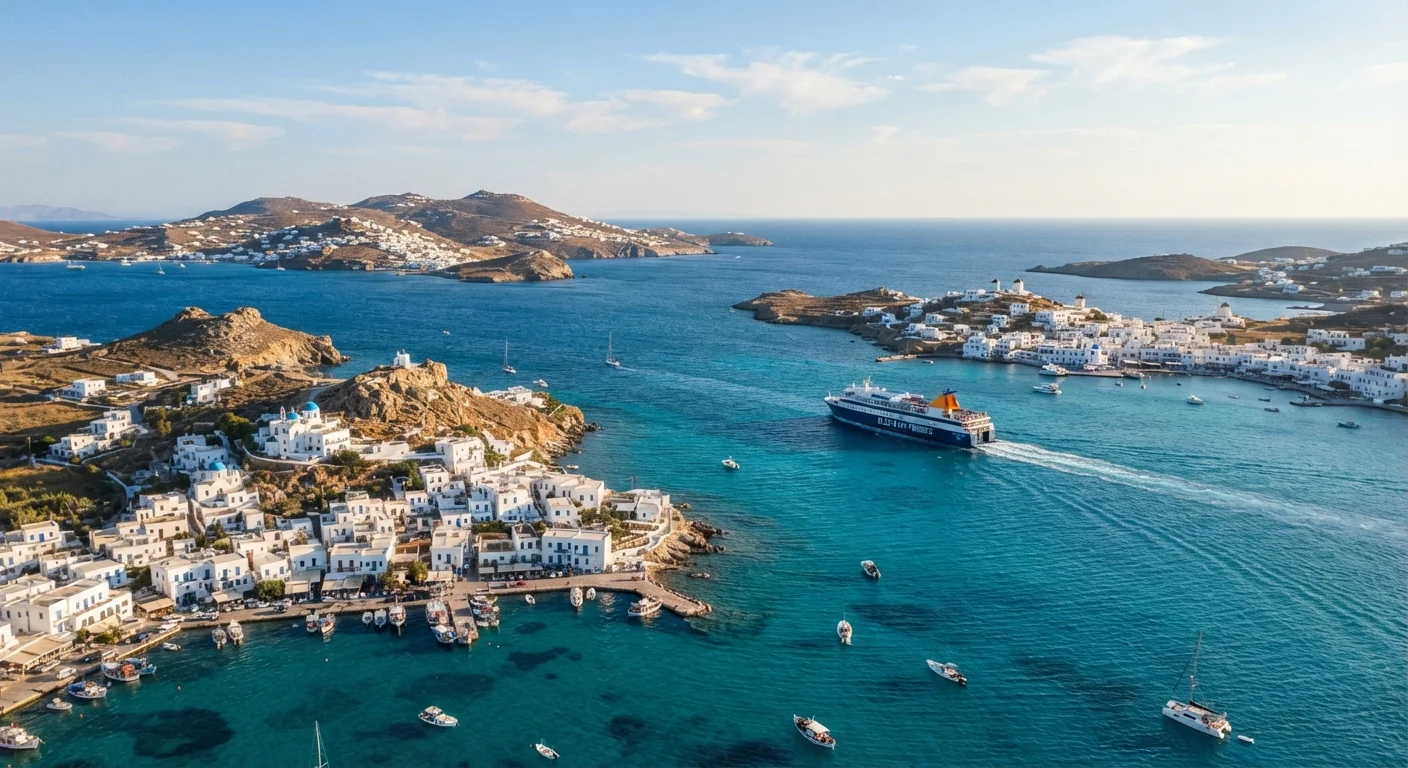
The Greek island system spans over 200 inhabited islands across multiple ferry routes, operated by different companies on schedules that shift seasonally. What looks like a simple hop on a map can involve a 6-hour overnight ferry, a tight connection, or a route that simply doesn't run on your travel day. Understanding the system before you book prevents the most common — and most avoidable — disappointments.
For a broader look at how destination hype distorts planning, see how to read a destination honestly.
Assuming ferry schedules are frequent and reliable year-round.
Why it happens: Travelers see ferry routes on maps and assume the same frequency as European rail. In reality, many inter-island routes run once daily or less, especially outside June–September.
Packing too many islands into a short trip.
Why it happens: Islands look close together on maps, and travel content rarely shows port waits, baggage handling, or check-in logistics. Travelers optimistically schedule four or five islands in a week.
Underestimating costs on the most photographed islands.
Why it happens: General Greece travel budgets get set using average figures that blend expensive and affordable islands. Santorini and Mykonos operate at a significantly higher price tier than islands like Naxos or Paros.
Traveling in peak summer without accounting for crowds.
Why it happens: July and August are the most marketed months for Greek travel, which leads travelers to assume that's when the experience is best — without factoring in overcrowded beaches, long waits, and booking scarcity.
Ignoring off-peak limitations when traveling in shoulder or low season.
Why it happens: Travelers who research the crowd problem then swing to the other extreme, expecting full services with empty beaches in April or October.
The Real Costs and Logistics You Need to Account For
Budget planning for Greek islands frequently underestimates the cumulative expense. Ferry tickets, port taxes, accommodation premiums in peak months, and tourist-area restaurant pricing all compound quickly. A traveler expecting budget travel conditions in Santorini in July will encounter some of the steepest prices in Southern Europe.
227
Inhabited Greek islands
Greece's official tourism figures count over 227 inhabited islands, served by a network of ferry routes that vary considerably in frequency and reliability by season.
~40%
Price premium on peak-season islands
Accommodation costs on islands like Santorini during July and August can run 35–45% higher than shoulder-season rates, according to general hospitality pricing patterns observed in the region.
Time is the other underestimated resource. Each island transit — including getting to the port, waiting, sailing, and settling into new accommodation — can consume most of a day. Travelers who book three islands in five days often spend more time in transit than actually experiencing each place.
For structured guidance on allocating your travel budget honestly, planning around a budget without cutting corners covers practical allocation strategies. And before finalizing your island sequence, reviewing what makes a good travel itinerary can help you structure realistic pacing.
Ferry Delays Can Cascade Quickly
Greek ferries are subject to cancellations and delays due to Aegean wind conditions (known as meltemi winds), which can be intense during summer months. A missed ferry rarely has an immediate replacement. If your inter-island timing is tight, you risk losing accommodation deposits, missing onward flights, or being stranded overnight at a port. Always build slack into your schedule and verify cancellation policies before booking non-refundable accommodations.
If you're new to managing ambiguous travel days, what a realistic travel day actually looks like breaks down where time typically disappears. And if you're traveling without confirmed plans, arriving without a plan documents the real friction points. More budget travel strategies can help you stretch your money across the full trip.