
What 'Strict Budgeting' Actually Means
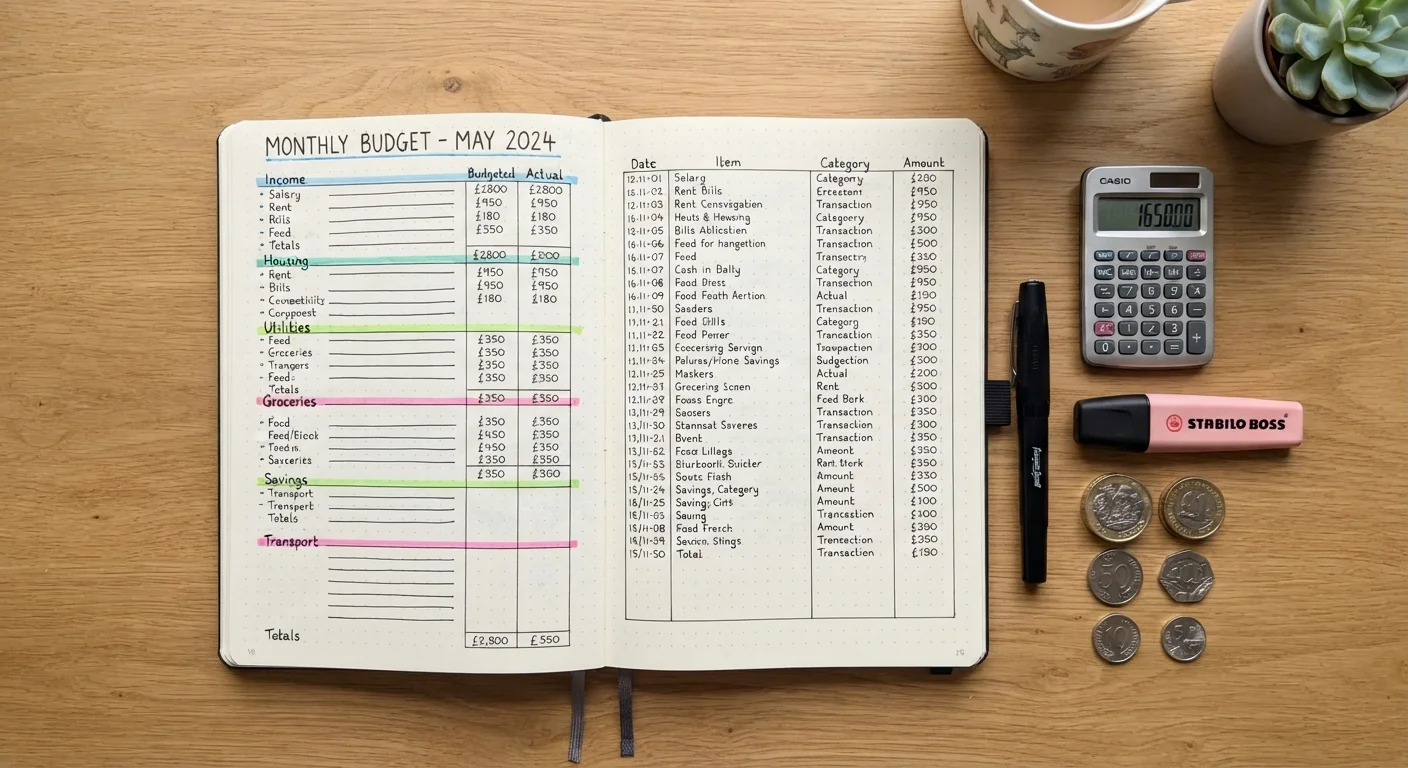
A strict budget is any spending plan where every dollar is assigned a purpose before the month begins. Unlike a loose awareness of spending, a strict budget sets hard limits on categories — groceries, transportation, entertainment — and expects you to stay within them. Common frameworks include zero-based budgeting, where income minus expenses equals zero, and envelope-style systems that allocate cash to specific spending buckets.
The appeal is straightforward: if you know exactly where your money is going, you're less likely to end up confused about why it's gone. But strict budgeting is a tool with genuine trade-offs, not a guaranteed solution. Common myths about budgeting — like the idea that it only works for higher earners — often prevent people from engaging with it honestly.
The Real Advantages of Sticking to a Tight Budget
When applied consistently, a strict budget delivers measurable financial benefits that looser approaches struggle to match.
Creates a clear picture of where money goes
Tracking every dollar forces awareness of spending patterns that often go unnoticed. Many people are surprised to discover how much routine spending adds up across a month.
Accelerates debt repayment significantly
By directing freed-up money toward debt with intention, strict budgeters can pay off balances faster and reduce the total interest paid over time.
Builds emergency savings more reliably
A structured budget treats savings as a fixed line item rather than whatever's left over — making it far more likely that a financial cushion actually grows.
Reduces financial anxiety through predictability
Knowing exactly what you can spend in each category removes the low-grade worry that often accompanies unplanned spending and unexpected shortfalls.
Teaches financial habits that compound over time
The discipline learned during a strict budget phase often persists even after the rules are loosened, producing lasting improvements in how someone manages money.
For those carrying high-interest debt, the math is compelling: money that would otherwise drift toward discretionary spending can instead eliminate balances faster, cutting total interest costs. Similarly, treating savings as a non-negotiable line item rather than an afterthought is how most people actually build their first emergency fund — and the psychological relief that comes with having three months of expenses saved is hard to overstate.
The habits themselves also tend to outlast the strict phase. People who budget rigorously early in their financial lives often carry stronger money-management instincts into later years, even when they no longer track every dollar. For more on the habits that hold up over time, see budgeting principles that work long-term.
Where a Strict Budget Can Go Wrong
The disadvantages of strict budgeting aren't hypothetical — they're the reason most budget attempts stall within a few months.
Fails to account for irregular expenses
Car repairs, medical copays, and annual subscriptions don't fit neatly into monthly categories. Budgets that ignore these predictably blow up, which can be demoralizing.
Can create an unhealthy relationship with spending
Extreme restriction sometimes leads to guilt over normal purchases or cycles of over-restriction followed by splurging — a pattern that undermines long-term progress.
Social costs are easy to underestimate
Declining dinners, skipping group trips, or always being 'the one who can't afford it' can strain relationships and erode quality of life in ways that are hard to quantify.
Budget fatigue is a real and common outcome
Studies on self-control suggest that willpower is a depletable resource. Sustained restriction without relief often ends in abandonment rather than success.
Doesn't automatically address income as a variable
A strict budget on a low or unstable income may simply redistribute financial stress rather than solve it — spending less can only go so far if income is the core constraint.
Strict Budgeting Is a Tool, Not a Lifestyle
Many people approach strict budgeting as though it needs to be permanent to be legitimate. In practice, most financial educators treat it as a phase — a high-focus period designed to hit a specific goal. Once that goal is reached, loosening the structure is often the right move. Think of it less like a diet and more like a training program with a defined end date.
The biggest structural flaw in most strict budgets is failing to plan for irregular expenses. Spreading annual costs (like insurance premiums or car maintenance estimates) across monthly categories prevents the jarring shortfalls that tank otherwise solid budgets. Without that layer of planning, one unexpected bill can feel like failure — even when the budget was otherwise working.
The social dimension is also worth naming directly. Consistently opting out of shared experiences has real costs to relationships and mental health. A budget that saves money but leaves you isolated or resentful isn't sustainable — and sustainability is what actually produces long-term financial change. The same balancing act applies in other contexts: planning travel on a budget without sacrificing every experience is a skill, not a contradiction.
How to Use a Strict Budget Without Burning Out
The most durable version of strict budgeting includes intentional flexibility. That sounds contradictory, but it means building a small 'friction buffer' — a modest category for unplanned spending — so that one impulsive coffee doesn't feel like a moral failure.
~32%
Americans with a written monthly budget
A Gallup survey found that fewer than one in three Americans maintains a detailed household budget, suggesting most people operate without a formal spending plan.
3–6 months
Emergency fund target most financial educators cite
Most personal finance frameworks recommend saving three to six months of essential expenses — a goal that's difficult to reach without some form of intentional budgeting.
Setting a defined end goal also helps. Rather than committing to strict budgeting indefinitely, aim for a specific milestone: paying off a particular debt, reaching a savings threshold, or covering a planned expense. When the goal has a finish line, the sacrifice feels purposeful rather than endless.
Finally, review your budget monthly and treat it as a living document. A budget that doesn't adjust to reality — a raise, a move, a change in expenses — will stop reflecting your life and stop being useful. Rigid systems serve the plan; flexible systems serve the person.
This article is for general informational and educational purposes only and does not constitute personalized financial advice. For guidance specific to your situation, consider consulting a qualified financial professional.