What Does 'Processed' Actually Mean?
Here's something that surprises many people: nearly everything we eat has been processed in some way. Washing, chopping, cooking, freezing, fermenting - all of these are forms of processing. So the real question isn't whether a food is processed, but how much and what was added or removed in the process.
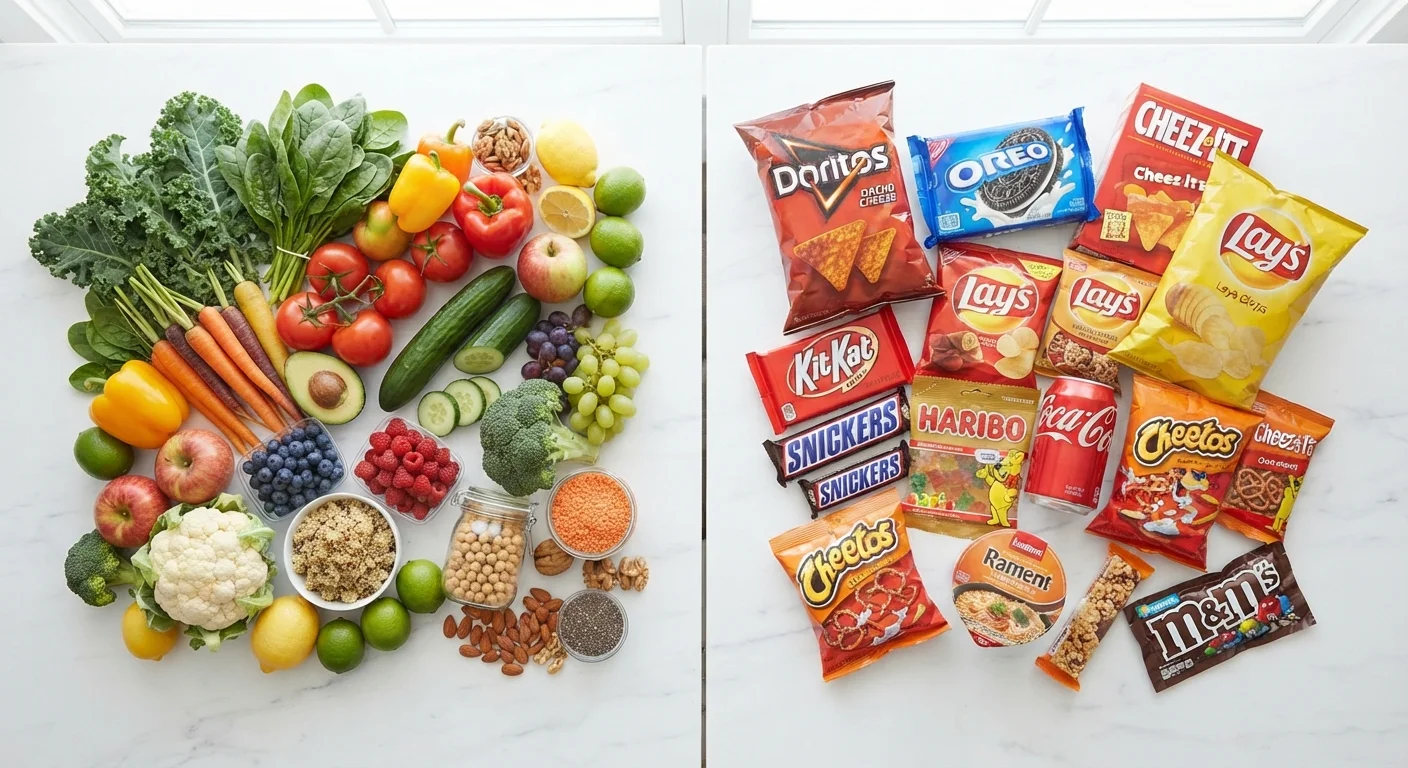
Nutrition researchers use several frameworks to classify foods by processing level. One of the most widely referenced is the NOVA classification, developed by researchers at the University of São Paulo. NOVA groups foods into four categories: unprocessed or minimally processed foods, processed culinary ingredients (like oils and flour), processed foods (like canned fish or cheese), and ultra-processed foods (like packaged snack cakes or flavored chips).
The critical distinction is between minimally processed foods - which are altered mainly for preservation or convenience without fundamentally changing their nutritional profile - and ultra-processed foods, which are industrially formulated products containing ingredients rarely found in a home kitchen, such as emulsifiers, artificial flavors, and hydrogenated oils.
The NOVA Classification Isn't Universally Adopted
While NOVA is influential in nutrition research and widely cited in public health literature, it is not the only classification framework and is not officially endorsed by all regulatory bodies. Some nutrition scientists argue it oversimplifies the relationship between processing and health. It's a useful lens for thinking about food, but individual nutrient content and overall dietary patterns also matter significantly.
Whole Foods: What They Offer Nutritionally
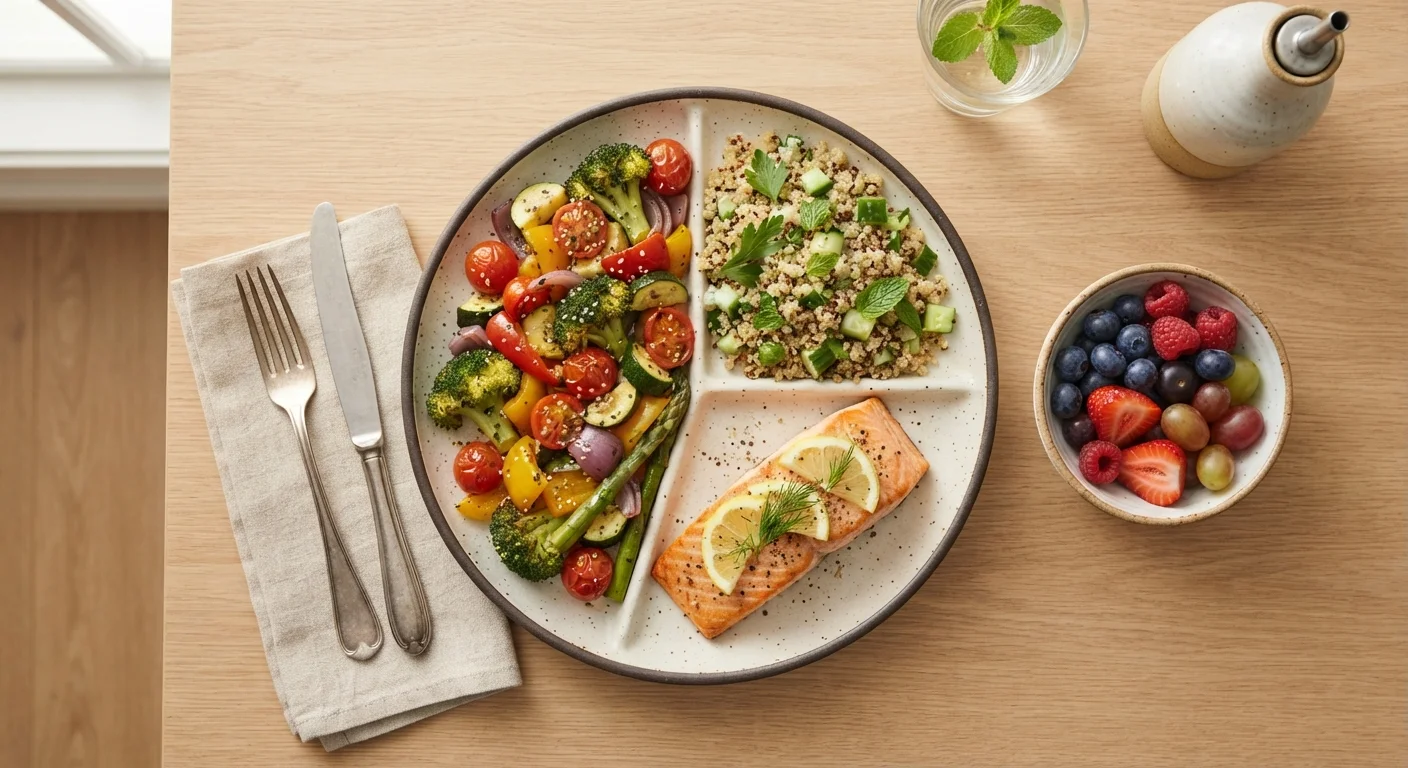
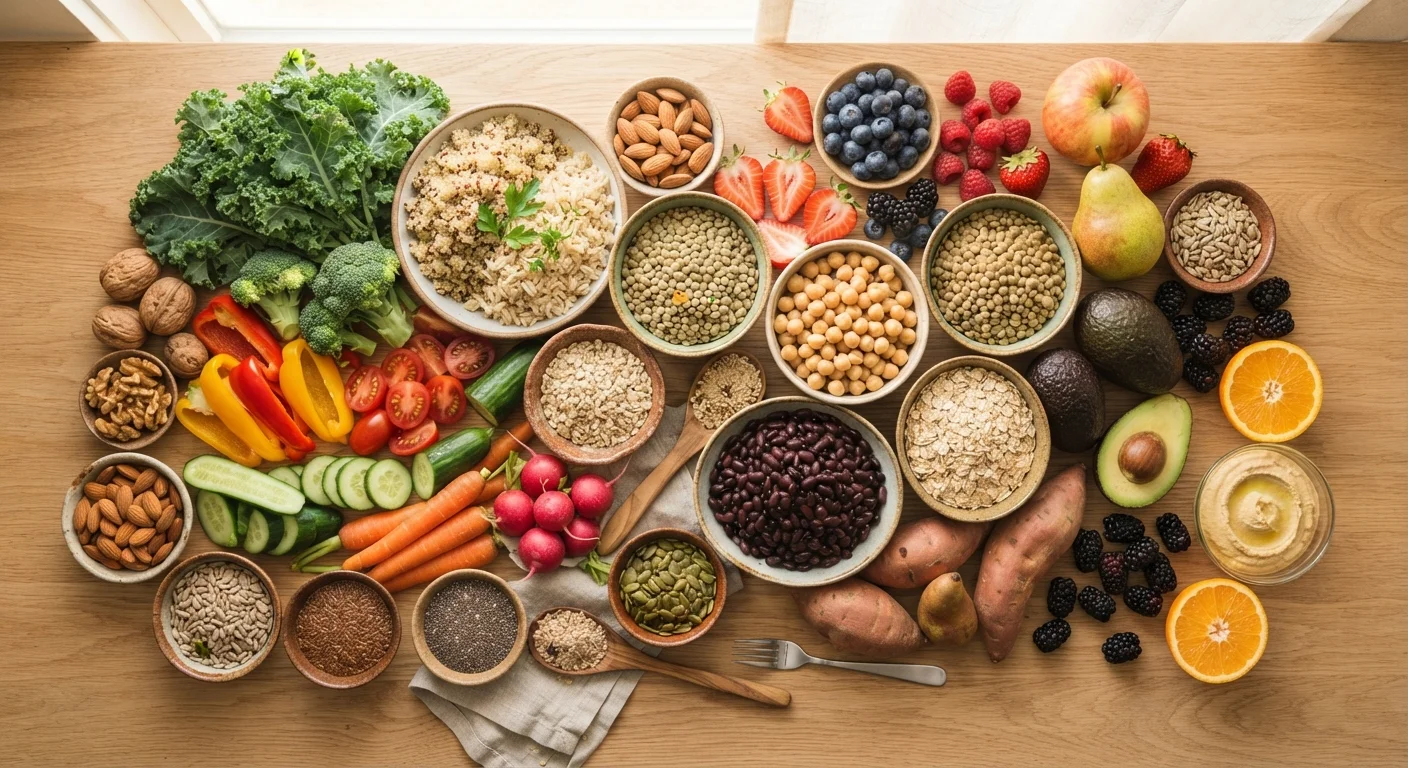
Whole foods are foods that remain close to their natural state: fresh fruits and vegetables, legumes, whole grains, nuts, seeds, eggs, and plain meats or fish. Their defining feature is that they arrive with their natural matrix of nutrients - fiber, vitamins, minerals, and phytonutrients - largely intact.
This nutritional matrix matters because nutrients in whole foods often work synergistically. For example, the fiber in an apple slows sugar absorption in a way that apple juice, which removes the fiber, does not. Research published in journals like The Lancet and JAMA Internal Medicine consistently shows that diets rich in whole plant foods are associated with lower rates of cardiovascular disease, type 2 diabetes, and certain cancers - though it's worth noting these are largely observational associations, not guaranteed outcomes.
57%
Share of US calories from ultra-processed foods
A study in BMJ Open estimated that ultra-processed foods account for roughly 57% of daily caloric intake among US adults, based on national dietary data.
10+ years
Duration of key NOVA-linked cohort studies
Several large prospective cohort studies tracking ultra-processed food consumption have followed participants for over a decade, strengthening the consistency of observed associations.
If you're also thinking about broader dietary patterns - like plant-based versus omnivorous eating - see our evidence-based comparison of plant-forward and omnivorous diets for a deeper look at what the science shows.
The Ultra-Processed Problem
Ultra-processed foods are designed to be convenient, shelf-stable, and highly palatable - often engineered to be difficult to stop eating. Common examples include sugary cereals, packaged cookies, instant noodles, and many fast-food items. What distinguishes them isn't any single ingredient, but their overall formulation: high in added sugars, refined starches, sodium, and saturated fats, while typically low in fiber and micronutrients.
A large prospective cohort study published in The BMJ found that higher consumption of ultra-processed foods was associated with increased all-cause mortality risk, even after adjusting for overall diet quality. Other research from the NutriNet-Santé cohort has linked ultra-processed food intake to elevated cardiovascular risk. These are associations from observational data - they don't prove causation at the individual level - but the consistency of findings across multiple large studies has prompted significant attention from public health researchers.
| Criterion | Whole / Minimally Processed Foods | Ultra-Processed Foods |
|---|---|---|
| Ingredient list | Short; recognizable ingredients | Long; many additives and emulsifiers |
| Fiber content | Generally high | Often very low |
| Added sugars | Little to none | Frequently high |
| Sodium levels | Naturally low | Often elevated |
| Micronutrient density | High; nutrients largely intact | Lower; often enriched artificially |
| Shelf life | Shorter (fresh) to moderate | Extended via preservatives |
| Associated health outcomes | Linked to lower chronic disease risk | Associated with higher disease risk in observational studies |
Crucially, not all convenience foods are ultra-processed. Plain frozen broccoli, canned tomatoes, and rolled oats are processed but minimally so - their nutrient profiles remain strong, and reading the ingredient list quickly confirms it.
Making Sense of Food Labels in Real Life
Marketing terms like "natural," "wholesome," or "clean" are not regulated in any standardized way by the FDA, which means they can appear on a wide range of products regardless of actual processing level. A more reliable approach is checking the ingredient list: a shorter list of recognizable ingredients generally signals less processing, while a long list of additives, stabilizers, and refined components suggests the opposite.
Nutrition Facts panels also help - particularly the rows for added sugars, sodium, and fiber. Ultra-processed foods tend to be high in the first two and low in the third. Aiming to keep added sugars well within daily recommendations and choosing foods with meaningful fiber per serving are practical, evidence-aligned habits.
Ultimately, the goal isn't to avoid every packaged food. It's to build an overall eating pattern where whole and minimally processed foods make up the majority of what you eat. Small, consistent shifts - adding vegetables to a meal, swapping a refined snack for a handful of nuts - tend to have more lasting impact than all-or-nothing thinking.
This article is for general informational and educational purposes only and is not a substitute for professional medical or dietary advice. Consult a registered dietitian or qualified healthcare provider for guidance tailored to your individual health needs.