Why Protein Myths Are So Sticky
Protein sits at the center of nearly every nutrition conversation - from gym locker rooms to social media feeds. And because it genuinely matters for muscle repair, immune function, and satiety, a little misinformation goes a long way. The problem is that fitness culture and supplement marketing have layered so much noise on top of the actual science that it can be hard to know what to trust.
The good news: the research on protein is robust and increasingly accessible. Whether you eat meat, follow a plant-based diet, or land somewhere in between, understanding the fundamentals can help you make genuinely informed choices - without anxiety or expensive products. For a broader look at how fitness misinformation spreads, see our evidence-based fitness myth breakdown.
This article is for general informational purposes only and is not a substitute for advice from a qualified healthcare provider or registered dietitian.
Myth
You need to eat protein immediately after a workout, or the gains are gone.
Fact
The 'anabolic window' is much wider than once believed - total daily protein intake matters far more than precise post-workout timing.
The idea of a narrow 30-to-60-minute window after exercise where protein must be consumed has been a staple of gym culture for decades. However, more recent meta-analyses - including work published in the Journal of the International Society of Sports Nutrition - suggest that this window is considerably more flexible, potentially extending several hours. What consistently predicts muscle protein synthesis is meeting your overall daily protein needs through adequate, distributed intake, not hitting a stopwatch after every set.
Myth
Plant protein doesn't count - it's incomplete and your body can't use it properly.
Fact
Most plant proteins contain all essential amino acids, and varied plant-based diets can fully meet protein needs across all life stages.
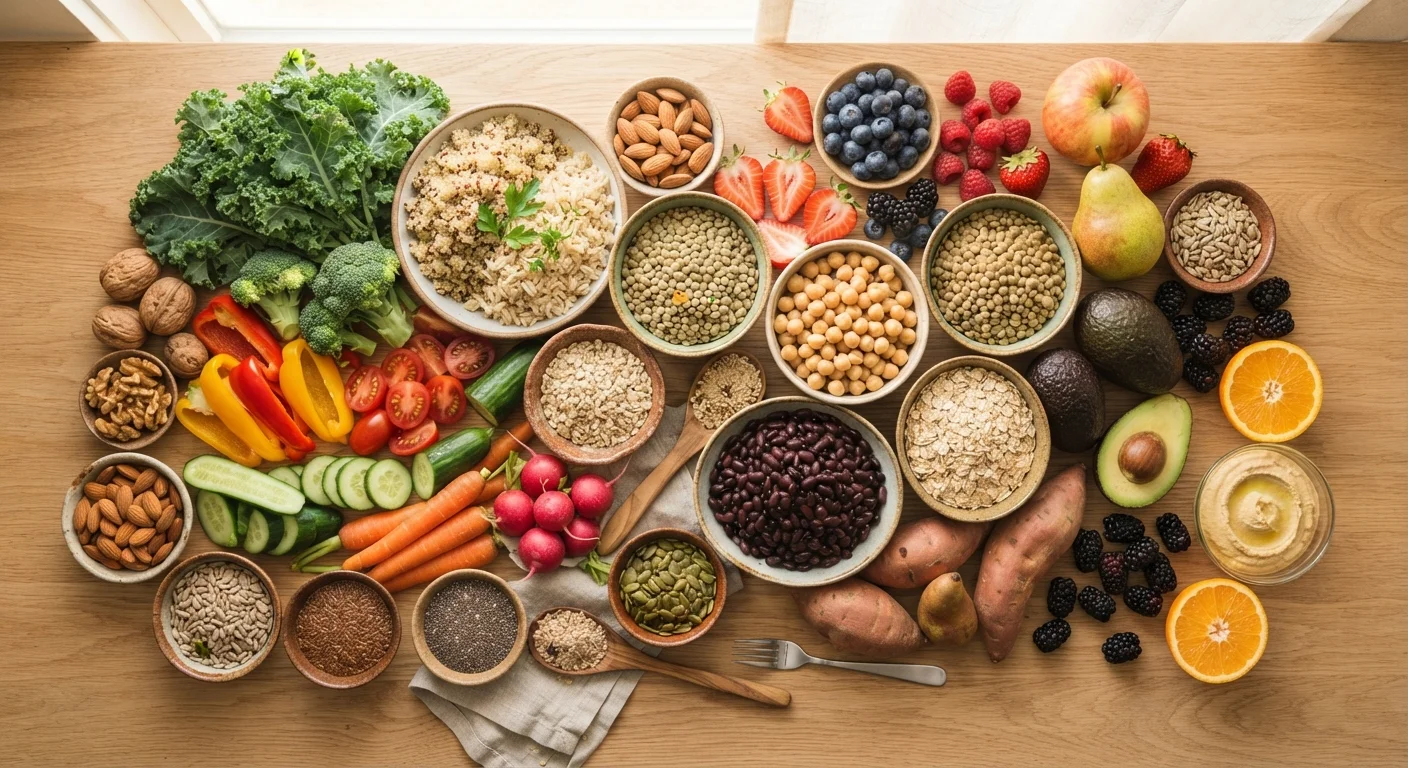
The 'incomplete protein' label has been widely misunderstood. While some individual plant foods have lower amounts of certain essential amino acids, eating a varied diet across the day - combining foods like legumes, grains, nuts, and seeds - easily supplies all essential amino acids without requiring precise pairing at each meal. Foods like soy, quinoa, and hemp seeds are considered nutritionally complete proteins on their own. Major nutrition bodies, including the Academy of Nutrition and Dietetics, affirm that well-planned plant-based diets are nutritionally adequate for all stages of life.
Myth
More protein always means more muscle - there's no upper limit to what helps.
Fact
Muscle growth plateaus beyond a certain protein intake; resistance training, not excess protein, is the primary driver of muscle gain.
Protein is necessary for muscle repair and growth, but it works in combination with the mechanical stimulus of resistance training - not as a replacement for it. Research generally suggests that intakes beyond approximately 1.6 grams per kilogram of body weight per day provide diminishing returns for muscle protein synthesis in most exercising adults. Consuming significantly more than needed does not translate to proportionally more muscle; the excess is metabolized for energy or stored. Actual training volume and consistency remain the dominant variables.
Myth
High-protein diets are dangerous for your kidneys.
Fact
In healthy individuals, higher protein intakes have not been shown to harm kidney function; the concern primarily applies to those with pre-existing kidney disease.
This myth likely originates from the fact that people with chronic kidney disease (CKD) are often advised to limit protein, as impaired kidneys struggle to process nitrogen waste from protein metabolism. For people without kidney disease, however, the evidence does not support a harmful effect of higher protein intakes on kidney function. A 2018 review in the Journal of Nutrition and Metabolism found no adverse renal effects from higher protein diets in healthy adults. That said, anyone with a known kidney condition should work closely with a nephrologist or dietitian before changing their protein intake.
Myth
Protein shakes and powders are necessary for anyone serious about fitness.
Fact
Protein supplements are convenient but rarely necessary - most people can meet their needs through whole foods alone.
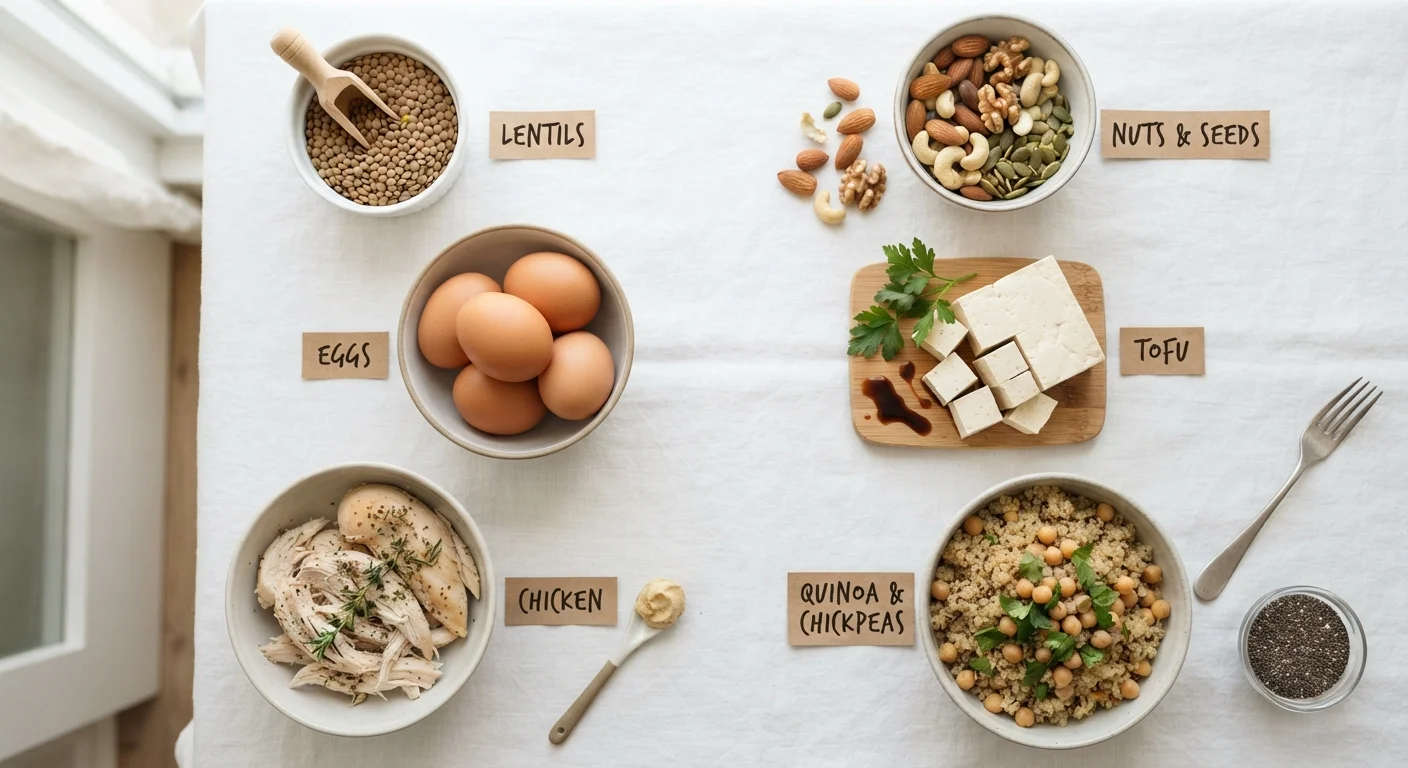
The supplement industry has done a remarkable job positioning protein powders as essential fitness gear, but for the majority of people eating a mixed diet, whole food sources - eggs, legumes, dairy, meat, fish, tofu - provide sufficient protein alongside fiber, vitamins, and minerals that supplements lack. Powders can be a practical option for people with very high protein needs or limited appetite, but they are a convenience tool, not a requirement. Before reaching for a supplement, it's worth honestly assessing your current diet first.
Putting It Into Practice
Once you strip away the myths, protein nutrition becomes a lot simpler. Most adults benefit from distributing protein across meals rather than loading it all into one sitting - research suggests this approach supports muscle protein synthesis more effectively than a single large dose. A variety of sources, both animal and plant, also tends to deliver a broader range of complementary nutrients.
1.6 g/kg
Daily protein ceiling for muscle gain
A widely cited 2018 meta-analysis in the British Journal of Sports Medicine found that protein intakes beyond roughly 1.6 g per kg of body weight produced no additional muscle gains in resistance-trained adults.
~50%
US adults who use protein supplements
National survey data has consistently found that a large share of American adults use some form of protein supplement, despite most being able to meet needs through diet alone.
If you're considering adding a protein supplement to your routine, it's worth pausing to ask whether it's actually filling a gap in your diet or just adding cost and calories. Our guide on what to ask before taking a supplement can help you think through that decision carefully.
Special Populations Need Tailored Guidance
Protein needs during pregnancy, breastfeeding, older adulthood, or recovery from illness or surgery differ meaningfully from general population guidelines. If you fall into any of these categories, please consult a qualified healthcare provider or registered dietitian rather than relying on general fitness-culture advice. General recommendations are not designed with your specific circumstances in mind.
Individual protein needs do vary - factors like age, activity level, pregnancy, and certain health conditions all play a role. When in doubt, a registered dietitian can offer personalized guidance grounded in your actual circumstances, not generic fitness-culture rules.