The Reality of Tokyo's Scale
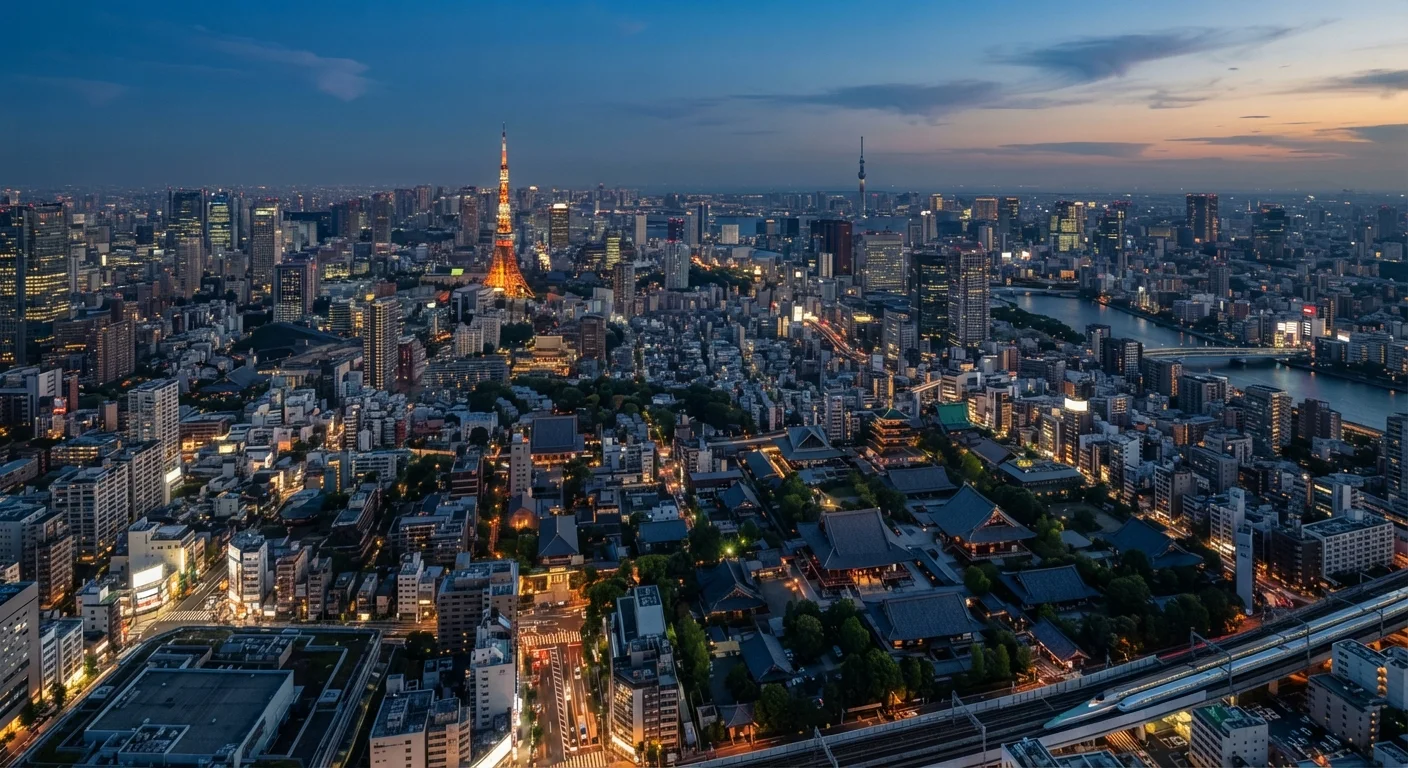
Tokyo is home to roughly 14 million people within city limits and over 37 million in the greater metro area — numbers that only become tangible when you're standing at Shinjuku Station, one of the world's busiest transit hubs, trying to find the right exit among 200 options.
First-timers frequently underestimate how much the city's sheer size affects daily logistics. Walking between two neighborhoods that look adjacent on a map can take 40 minutes. Districts like Shibuya, Akihabara, and Yanaka each feel like distinct cities. Plan for transit time in every itinerary block — being optimistic about distances is the most common cause of a rushed, frustrating day.
14M+
Daily passengers on Tokyo Metro alone
Tokyo's combined rail network is among the world's busiest, according to operator ridership data.
~$1.50
Average convenience store meal cost (USD equivalent)
7-Eleven, Lawson, and FamilyMart stores across Tokyo offer hot meals and onigiri at low price points.
13
Tokyo Metro and Toei subway lines
That count excludes JR and private rail lines, which add dozens more routes across the metro area.
Navigating the Transit System
Tokyo's rail network is legitimately complex but ultimately logical. It's operated by multiple companies — Tokyo Metro, Toei, JR East, and several private lines — meaning a single journey can require transfers across operators. The good news: an IC card (Suica or Pasmo) handles the fare calculation automatically regardless of which network you're on.
Most visitors find the system intuitive within one to two days. Color-coded lines, English signage at major stations, and reliable service make the learning curve manageable. Buses exist but use a different payment flow and require more local knowledge — stick to rail for your first few days.
Download the Navitime or Google Maps transit layer before you land and save your hotel address in Japanese script — cab drivers rely on it.
Tokyo addresses are notoriously non-linear by Western standards; having a Japanese-character version of your destination eliminates a common first-hour frustration.
Charge your IC card (Suica or Pasmo) with ¥3,000–¥5,000 on arrival — it works on virtually every rail line and at most convenience stores.
Buying individual tickets at machines for each journey is slower and more expensive; IC cards auto-calculate the correct fare and accept top-ups at any station.
If you're arriving directly from Narita or Haneda, plan your airport-to-hotel route in advance. The realistic travel day planning guide is worth reading before your arrival day specifically — airport transit in Tokyo takes longer than first-timers typically budget.
Neighborhoods: What They're Actually Like
Where you base yourself in Tokyo shapes almost everything. A few honest snapshots:
- Shinjuku — dense, commercial, and never quiet. Excellent transport links but sensory overload is real. Good for first-timers who want convenience over atmosphere.
- Yanaka — one of the few neighborhoods that retained its pre-war character. Slow-paced, genuinely local, and walkable. Requires more transit effort to reach major sights.
- Shimokitazawa — vintage shops, live music, and a younger local crowd. Authentic but not particularly close to most tourist landmarks.
- Asakusa — highest concentration of traditional temples and tourist infrastructure. Can feel performative during peak hours but calms significantly in the early morning.
No single neighborhood is objectively correct — your choice should reflect whether you prioritize transit access, local immersion, nightlife, or proximity to specific sites.
Tokyo Is One Part of Japan's Larger Picture
Many visitors treat Tokyo as their only Japanese destination, but the country's regions differ dramatically in food, pace, dialect, and culture. Before finalizing your route, read about Japan's regional differences — Kyoto, Osaka, and Hokkaido each offer experiences Tokyo cannot replicate.
Costs: Where Tokyo Surprises You
Tokyo's reputation as an expensive city is partly deserved and partly outdated. The yen's relative weakness in recent years has made the city materially more affordable for visitors holding USD — though exchange rates shift, so verify current conditions before you travel.
Where costs stay genuinely low: convenience store meals, ramen shops, standing sushi bars, and local transit all represent strong value. A filling lunch at a neighborhood restaurant commonly runs ¥800–¥1,500. Where costs spike: tourist-facing experiences (teamLab installations, themed cafes, entry to multiple paid attractions), upscale sushi, and accommodation in central districts during peak seasons.
Cash Is Still Widely Required
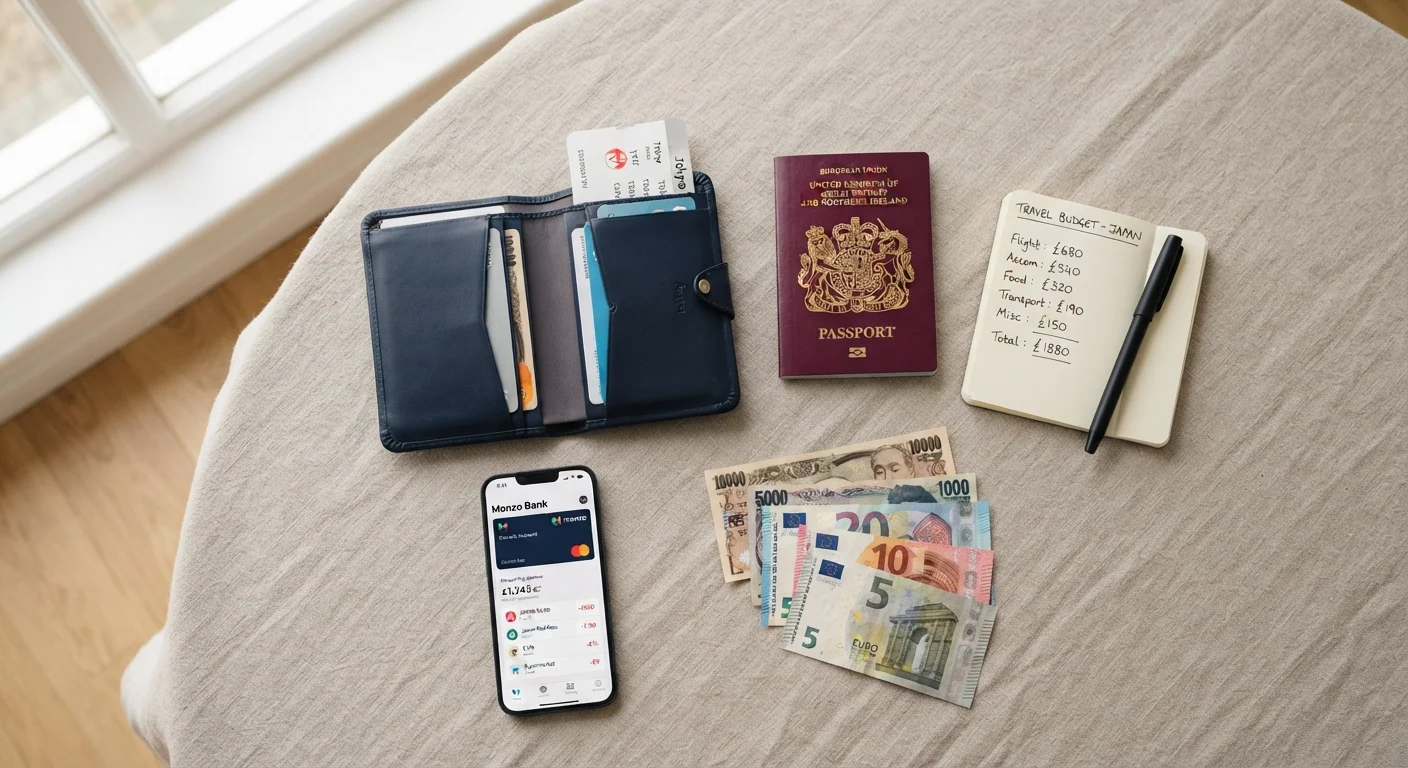
Despite being a tech-forward city, many Tokyo restaurants, shrines, and smaller shops remain cash-only. ATMs at 7-Eleven and Japan Post reliably accept foreign cards; airport ATMs are another option. Plan to carry ¥10,000–¥20,000 in local currency at all times to avoid being caught short.
A realistic daily budget for a cost-conscious traveler — covering transit, three meals, and one paid attraction — often lands in the $50–$90 USD range, depending on accommodation type and dining choices. This is general guidance; your actual spend will vary.
Cultural Norms First-Timers Often Miss
Tokyo operates on unspoken social contracts that become obvious once you know them:
- Phone calls on trains are considered impolite — conversations are kept low, and most locals use headphones or stay silent.
- Queuing is taken seriously. Marked queue lines on train platforms are followed without exception. Joining a queue mid-point is genuinely disruptive.
- Eating while walking is uncommon outside festival contexts — if you buy street food, the expectation is usually to eat near the stall.
- Tipping is not practiced and can create awkwardness. Good service is standard and assumed, not a variable you pay for.
- Tattoos remain restricted at many onsen (public baths) and some gyms — check individual venue policies before visiting.
None of these norms require perfection from visitors, but awareness shows respect and avoids moments that can feel embarrassing in a city where social consideration is a genuine cultural value.
Start Your Planning Before You Book Flights
First-time international travelers often underestimate how much pre-trip logistics affect the experience. If Tokyo is your first international destination, the ground-up international trip planning guide covers passport timelines, packing, and entry documentation that apply directly to Japan travel.
Practical Logistics Worth Settling Before You Land
The travelers who have the smoothest Tokyo arrivals are those who resolved a short checklist before departure:
- IC card — order a Suica card through Apple Wallet (where available) or plan to pick one up at the airport.
- Connectivity — pocket Wi-Fi rental or a local eSIM; free public Wi-Fi in Tokyo is inconsistent outside major stations.
- Cash — withdraw yen at the airport using a card that waives international fees, or use 7-Eleven ATMs on arrival.
- Offline maps — download Tokyo in Google Maps or Maps.me before you land.
- Translation app — Google Translate's camera function handles menus and signs in real time.
Spontaneous travel works in many cities; Tokyo rewards a bit more structure. For a clear picture of what goes wrong when arrival logistics aren't sorted, see what actually goes wrong arriving without a plan.
Verify Entry Requirements Before Travel
Visa requirements, health declarations, and entry rules for Japan can change. Always check the official Japan Tourism Agency site and your country's foreign affairs department for the most current requirements before booking. Do not rely on traveler forums or this article for definitive entry information.