
Why Saving Feels Impossible on a Tight Budget
For many young adults, the end of the month arrives before the money does. After rent, student loans, utilities, and groceries, the math feels like it simply doesn't work. This feeling is extremely common — and it often leads people to conclude that saving is something they'll start "later," once things loosen up.
The problem is that later rarely arrives on its own. Expenses tend to grow with income, and the habit of saving isn't something that switches on automatically once you earn more. The mechanics of building a savings habit are more important than the dollar amount you save. Behavioral research consistently shows that small, automatic actions compound into durable financial patterns over time — the amount matters less than the consistency.
Before jumping to steps, it helps to have the basics in place. If you haven't yet mapped out your monthly cash flow, review the budgeting basics hub for a practical foundation.
What you will need
Balancing an Emergency Fund With Debt Repayment
One of the most common points of confusion is whether to save or pay off debt first. The honest answer: ideally, you do both — in careful proportion. Carrying zero savings while aggressively paying debt means that a single unexpected expense, a car repair, a medical copay, sends you straight back to borrowing. That cycle is worth interrupting.
A practical framework many financial educators describe starts with a modest emergency cushion — enough to cover one or two genuine emergencies — before redirecting surplus dollars to debt. Once high-interest debt is cleared, you're in a much stronger position to grow both your savings and, eventually, begin investing. For context on what comes after savings, see what young adults should understand about saving vs. investing.
Don't Skip High-Interest Debt Entirely
If you carry high-interest debt such as credit card balances, putting every spare dollar into savings while that debt compounds can cost you more in the long run. A balanced approach — maintaining a modest starter emergency fund while aggressively paying down costly debt — is generally more effective. Review your interest rates before deciding on the right split.
Map your true monthly picture
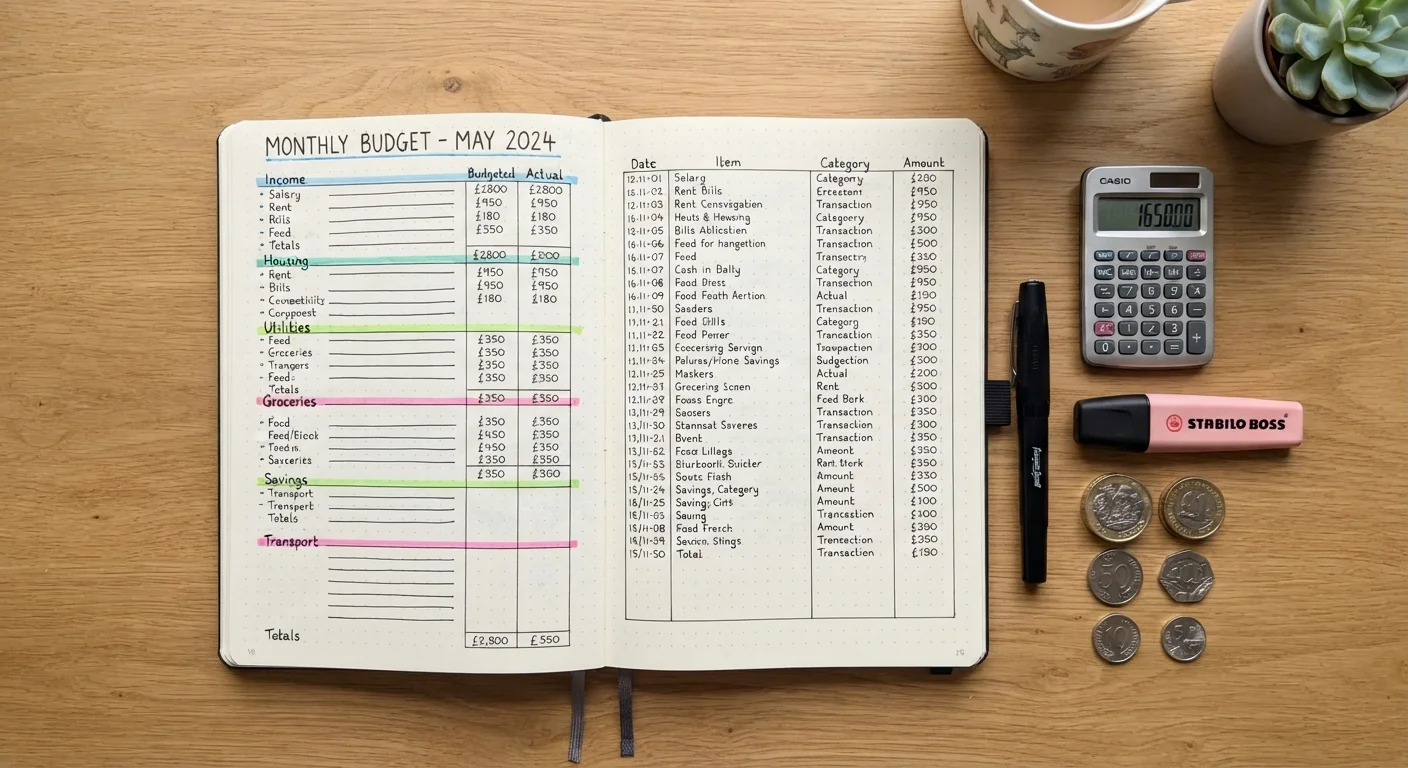
List every source of monthly income and every recurring expense — rent, utilities, subscriptions, minimum debt payments, and groceries. Be honest rather than optimistic. If you haven't done this before, the first monthly budget guide walks you through the process clearly. The goal here isn't to find a big surplus; it's simply to know exactly what you're working with.
Set a starter savings target — any amount
Resist the urge to wait until you can save a "meaningful" amount. Even $10 or $20 per paycheck is a genuine start. The psychological win of watching a balance grow, however slowly, is what reinforces the habit. Pick a fixed number you are confident you can sustain for at least three months without disruption. You can raise it later.
Decide how to split savings and debt repayment
If you carry debt, you face a real tradeoff. A widely used approach is to build a small starter emergency fund first — commonly cited as $500 to $1,000 — before directing additional dollars toward debt beyond the minimums. Once that buffer exists, shift the bulk of discretionary cash toward high-interest debt while keeping the emergency fund intact. For a fuller explanation of this balance, see the saving and debt repayment roadmap.
Automate the transfer on payday
Schedule an automatic transfer from your checking account to a separate savings account on the same day your paycheck lands. When saving is automatic, it becomes the default rather than something you have to actively choose under pressure. Even if the amount is small, the transfer happening before you see the money in your spending account changes how you perceive what's available.
Audit and adjust every four to six weeks
A tight budget is not static. Income changes, bills shift, and expenses surprise you. Set a recurring reminder to review your numbers monthly. Look for recurring charges you no longer use, renegotiate service plans where possible, and celebrate small wins — a cleared balance, a savings milestone — to keep motivation alive. The core budgeting principles that support long-term success are built on this kind of regular review, not a one-time setup.
Round-Up Features Can Help You Start
Many banks offer automatic round-up tools that transfer the spare change from purchases into a savings account. While the amounts are small, the habit they reinforce — saving before you can spend — is what matters most early on. Check whether your bank offers this feature at no cost.
This article is for general informational and educational purposes only and does not constitute personalized financial, tax, or legal advice. Consider consulting a licensed financial professional for guidance tailored to your situation.